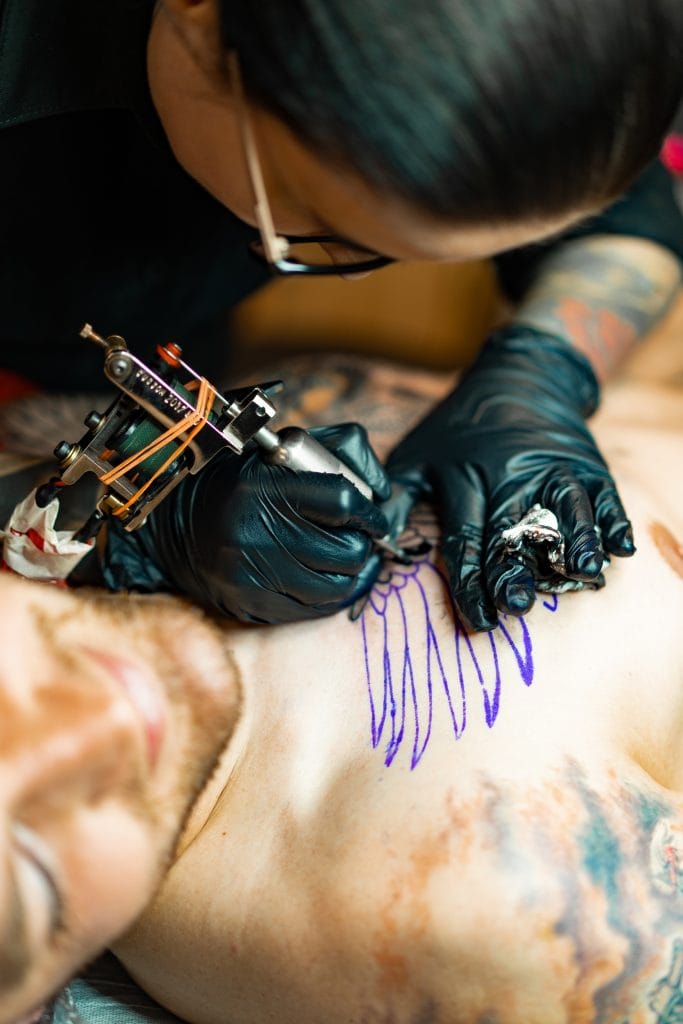
Understanding the healing timeline for a tattoo is crucial for anyone considering body art. Tattoos are not merely decorative; they are a form of self-expression that requires proper care and attention during the healing process. The timeline for healing can vary significantly from person to person, influenced by factors such as skin type, tattoo size, and placement.
At Funhouse Tattoo in San Diego, artists emphasize the importance of following a structured aftercare regimen to ensure optimal healing and vibrant results. This article will explore the typical healing timeline, detailing what to expect at each stage and how to care for your new tattoo effectively. The journey of healing begins the moment the needle leaves the skin.
While the initial excitement of getting a tattoo can be overwhelming, it is essential to shift focus to the aftercare process. Proper healing not only enhances the appearance of the tattoo but also minimizes the risk of complications such as infections or fading. By understanding the stages of healing, clients can better prepare themselves for the experience and ensure that their new ink remains as stunning as it was on day one.
Key Takeaways
- Healing timelines provide a structured approach to monitoring and managing the progress of a patient’s recovery journey.
- Day 1 involves the initial assessment and treatment plan to address the immediate needs of the patient.
- By Day 3, progress is evaluated, and adjustments are made to the treatment plan as necessary.
- Signs of improvement are typically observed by Day 7, indicating that the treatment is effective.
- By Day 14, the patient is well into the healing and recovery process, with continued progress and follow-up on Day 21 and final results on Day 30.
Day 1: Initial Assessment and Treatment
The first day after getting a tattoo is often filled with a mix of excitement and apprehension. As soon as you leave Funhouse Tattoo, your body begins the healing process. The initial treatment provided by the artist is crucial; they will typically cover the tattoo with a protective bandage or wrap to shield it from external elements.
This covering serves multiple purposes: it protects the fresh ink from bacteria, prevents irritation from clothing, and helps to keep moisture in, which is vital for healing. On this day, it is essential to follow the aftercare instructions provided by your tattoo artist meticulously. This usually includes keeping the tattoo covered for a specified period and avoiding direct sunlight or soaking in water.
The skin may feel tender, and some swelling or redness is normal. It’s important to resist the urge to touch or scratch the area, as this can introduce bacteria and lead to complications. Instead, focus on keeping the area clean and moisturized according to your artist’s recommendations.

Day 3: Progress and Adjustments
By day three, many clients begin to notice changes in their tattoos as the initial swelling subsides. The skin may start to feel itchy or tight, which is a natural part of the healing process. At this stage, it’s crucial to continue following aftercare guidelines closely.
If your artist has advised you to switch from a protective covering to applying a thin layer of ointment or lotion, now is the time to do so. This transition helps keep the tattoo hydrated while allowing it to breathe. During this period, some clients may experience flaking or peeling skin as the outer layer begins to shed.
This can be alarming for some, as it may seem like the tattoo is fading or losing color. However, this is a normal part of healing, and it’s essential not to pick at the flakes or scabs. Instead, gently wash the area with mild soap and pat it dry before applying moisturizer.
Keeping an eye on any unusual signs, such as excessive redness or pus, is also important, as these could indicate an infection that requires medical attention.
Day 7: Signs of Improvement
As you reach day seven, significant improvements in your tattoo’s appearance should be evident. The initial redness and swelling have likely diminished considerably, revealing a clearer view of your artwork. The skin may still be slightly dry or flaky, but this is a sign that your body is continuing its natural healing process.
At this point, many clients feel more comfortable showing off their new ink, as it begins to look more vibrant and defined. It’s essential to maintain your aftercare routine during this stage. Continue applying a fragrance-free moisturizer to keep the skin hydrated and prevent excessive dryness.
If you notice any areas that seem particularly dry or flaky, you may want to apply a bit more moisturizer to those spots. Additionally, be mindful of your clothing choices; wearing loose-fitting garments can help prevent irritation against the tattooed area. As you approach the two-week mark, you should feel more confident about your tattoo’s progress while remaining vigilant about its care.
Day 14: Healing and Recovery
By day fourteen, most tattoos are significantly healed, although some residual dryness or minor flaking may still occur. At this stage, many clients report feeling much more comfortable with their tattoos and are often eager to show them off without hesitation. The colors should appear more vibrant than they did in the early days of healing, and any initial discomfort should have subsided entirely.
However, even though your tattoo may look healed on the surface, it’s important to continue caring for it properly. This includes avoiding sun exposure without protection and refraining from soaking in hot tubs or swimming pools for a while longer. If you haven’t already done so, consider applying sunscreen when exposed to sunlight to protect your artwork from fading over time.
This proactive approach will help ensure that your tattoo remains as striking as it was when you first got it.

Day 21: Continued Progress and Follow-Up
As you reach day twenty-one, your tattoo should be nearing full recovery. Most clients find that any remaining dryness has resolved, leaving behind smooth skin that showcases their artwork beautifully. At this point in the healing timeline, many individuals choose to schedule a follow-up appointment with their artist at Funhouse Tattoo for a final assessment.
This meeting can provide an opportunity for any touch-ups if necessary and allows clients to ask questions about long-term care. During this follow-up visit, artists can offer personalized advice on how to maintain the vibrancy of your tattoo over time. They may recommend specific products or techniques tailored to your skin type and lifestyle.
Additionally, discussing any concerns you may have about your tattoo’s appearance can help ensure that you leave with complete satisfaction regarding your new ink.
Day 30: Final Results and Conclusion
By day thirty, most tattoos are fully healed, revealing their true colors and details without any signs of irritation or discomfort. Clients often express joy at how their tattoos have transformed throughout the healing process, appreciating both the artistry involved and their own commitment to proper care. At this stage, tattoos should look vibrant and well-defined, showcasing the skill of the artist at Funhouse Tattoo.
In conclusion, understanding the healing timeline of a tattoo is essential for anyone considering body art. Each stage presents unique challenges and rewards that contribute to the overall experience of getting inked. By following aftercare instructions diligently and being mindful of changes during each phase of healing, clients can ensure that their tattoos remain beautiful for years to come.
Testimonials from Clients
While personal experiences can vary widely, many clients at Funhouse Tattoo have shared positive feedback regarding their healing journeys. They often highlight how following aftercare instructions made a significant difference in their overall satisfaction with their tattoos. Clients frequently express gratitude for the guidance provided by their artists during both the application process and throughout healing.
Moreover, individuals appreciate how their tattoos have become an integral part of their identity over time. Many report feeling empowered by their body art and proud of how they cared for it during the healing process. These testimonials serve as a reminder that while getting a tattoo is an exciting experience, understanding and committing to proper aftercare is equally important for achieving lasting results.