The sleeve tattoo, a substantial commitment of skin real estate, offers an expansive canvas for artistic expression. In San Diego, a city with a vibrant tattoo culture, finding inspiration for such a project can begin with exploring the diverse talents of local artists. Funhouse Tattoo, a long-standing establishment, provides a lens through which to examine a range of styles and approaches that can be integrated into a cohesive sleeve design. This article delves into various thematic and stylistic considerations for a sleeve tattoo, drawing upon the inherent versatility and skill found within such a studio environment.
A sleeve tattoo doesn’t have to be a random collection of images. Often, the most impactful sleeves tell a story or explore a singular theme in depth. This thematic approach ensures that despite the multitude of individual elements, the overall design feels unified and intentional.
Japanese Traditional Motifs
The Japanese traditional style, or Irezumi, is a perennial favorite for sleeve tattoos due to its inherent narrative structure and visual flow. Artists at Funhouse Tattoo, proficient in this intricate style, often incorporate elements that hold symbolic meaning and contribute to a larger story.
- Mythological Creatures: Dragons, phoenixes, and kirin are common choices, each carrying specific connotations of power, rebirth, or wisdom. A sleeve could depict a dragon ascending through clouds, symbolizing overcoming adversity, or a phoenix rising from flames, representing transformation. The placement of these creatures and their interaction with other elements are crucial for visual storytelling.
- Flora and Fauna: Cherry blossoms (sakura), chrysanthemums, koi fish, and tigers are frequently used to complement the mythological narratives. Sakura, with their fleeting beauty, can represent the transient nature of life, while chrysanthemums symbolize longevity and joy. Koi fish swimming upstream often represent perseverance and strength, while a tiger embodies courage and power. The composition of these elements, their directionality, and their interaction with the larger mythical figures are key to a compelling Japanese sleeve.
- Water and Wind: These elemental motifs are fundamental to Japanese traditional tattooing. Waves, currents, and wind bars provide a dynamic backdrop and connect the various elements within the sleeve. The texture and flow of these elements are essential for creating visual movement and a sense of depth, ensuring the sleeve wraps around the arm seamlessly.
Nature-Inspired Sleeves
For those seeking a more earthly connection, nature-inspired sleeves offer a vast spectrum of possibilities. These designs often evoke a sense of tranquility, wildness, or a personal connection to the natural world.
- Forest Scenes: A full sleeve could depict a dense forest, complete with towering trees, hidden wildlife, and pathways. Artists can employ varying shades of green, brown, and earthly tones to create depth and atmosphere. This could include specific types of trees, such as ancient oaks or Redwood forests, reflecting personal preferences or geographical significance.
- Oceanic Depths: The underwater world provides an equally rich source of imagery. Coral reefs teeming with vibrant fish, graceful jellyfish, powerful sharks, or mysterious shipwrecks can create an immersive and dynamic sleeve. The use of blues, greens, and bioluminescent accents can bring the ocean environment to life. The movement of water, depicted through currents and bubbles, is essential for a fluid design.
- Wildlife Portraits: While often appearing as individual pieces, a collection of intricately rendered wildlife portraits can form a cohesive sleeve. This could be a series of predatory animals, birds of prey, or even a collection of domestic animals that hold personal significance. The artist’s ability to capture the unique characteristics and textures of each animal is paramount for a compelling wildlife sleeve.
Abstract and Geometric Designs
For those who prefer a more contemporary aesthetic, abstract and geometric designs offer a departure from representational imagery. These sleeves often focus on pattern, form, and intricate details, creating a visually compelling and often mesmerizing effect.
- Sacred Geometry: Elements like mandalas, fractals, and platonic solids can be integrated into a sleeve, creating a complex and aesthetically pleasing pattern. The precision required for these designs demands a skilled hand and a keen eye for detail. The repetition and symmetry inherent in sacred geometry can evoke a sense of order and harmony.
- Dotwork and Blackwork: These techniques can be employed to create intricate patterns, textures, and shading within an abstract or geometric sleeve. Dotwork, in particular, allows for subtle gradients and a unique textural quality. Blackwork, with its focus on solid black areas, can create high contrast and bold visual statements. Artists at Funhouse Tattoo skilled in these methods can create sleeves that are both minimalist and intricate.
- Bio-Mechanical Elements: Combining organic forms with mechanical components, bio-mechanical sleeves create the illusion of exposed internal machinery beneath the skin. This style often involves highly detailed rendering of gears, pistons, wires, and metallic textures, creating a sense of a living machine. The integration of the design with the natural musculature and contours of the arm is crucial for a convincing bio-mechanical sleeve.
Stylistic Approaches: Executing the Vision
Beyond the thematic content, the artistic style employed significantly impacts the final look and feel of a sleeve tattoo. Different styles offer unique visual languages and appeal to varying aesthetic preferences.
Traditional American
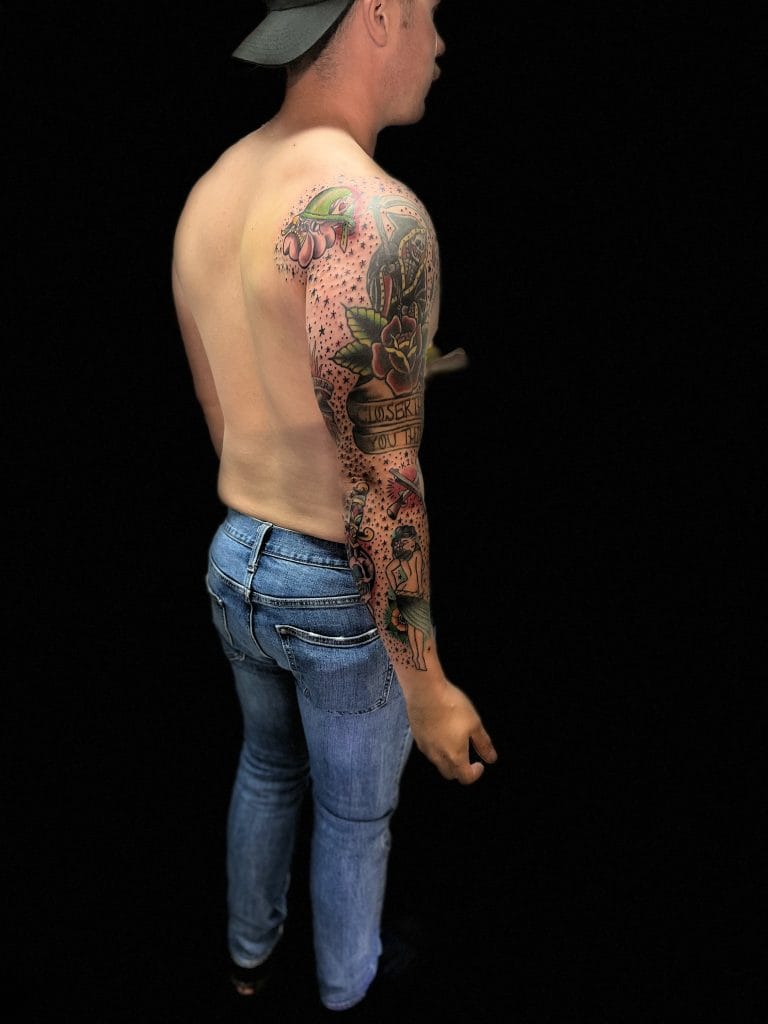
The traditional American style, characterized by bold lines, limited color palettes, and iconic imagery, has a timeless appeal. While individual pieces are often distinct, a skilled artist can weave them into a cohesive sleeve.
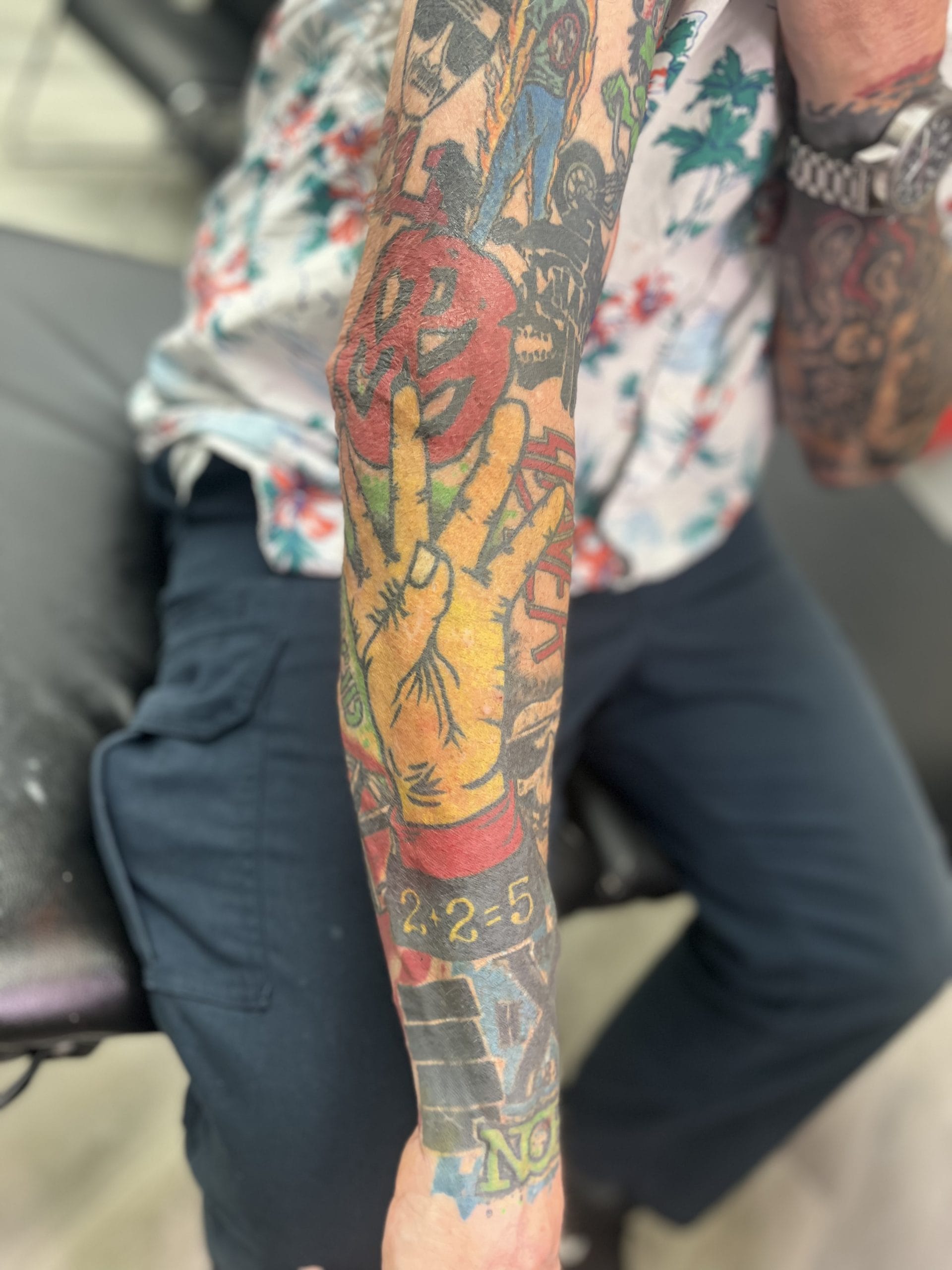
- Iconic Imagery: Anchors, eagles, swallows, roses, daggers, and pin-up girls are staples of this style. A sleeve could feature a collection of these motifs, carefully arranged to create a balanced and visually interesting composition. The use of strong outlines and solid color fills helps to define each element clearly.
- Color Palette: Traditional American tattoos typically adhere to a limited color palette of red, yellow, green, and blue, alongside prominent black outlines. This constrained palette contributes to the recognizability and enduring appeal of the style. The judicious use of these colors ensures that even with multiple elements, the sleeve maintains a cohesive color scheme.
- Compositional Flow: While often featuring distinct elements, a traditional sleeve benefits from a thoughtful arrangement that guides the eye smoothly around the arm. This might involve placing larger, central elements at key points and using smaller, supporting motifs to fill gaps and create visual continuity.
Realism and Portraiture
For those seeking a highly detailed and often photographic approach, realism and portraiture offer an opportunity to capture likenesses or intricate scenes with precision.
- Black and Gray Realism: This style, often utilizing a range of grays and blacks, allows for incredible depth, texture, and detail. Portraits of people or animals, detailed landscapes, or even complex machinery can be rendered with remarkable accuracy. The subtle gradations and contrasts are crucial for achieving a realistic effect.
- Color Realism: When executed skillfully, color realism can be truly stunning. This approach uses a full spectrum of colors to capture the nuances of light, shadow, and specific hues found in the real world. This could include vibrant natural scenes, realistic depictions of flowers, or portraits with lifelike skin tones and hair.
- Integrating Elements: A realistic sleeve doesn’t have to be a single large image. Artists can seamlessly blend multiple realistic elements, such as a portrait alongside a detailed landscape or a collection of realistically rendered objects, creating a harmonious and complex scene. The transition between elements is key to a unified realistic sleeve.
Neo-Traditional
Neo-traditional tattooing builds upon the foundations of traditional American tattooing but incorporates a wider color palette, more refined details, and often a greater sense of dimension and depth.
- Expanded Color Palette: Unlike traditional, neo-traditional artists use a broader range of colors, often with more subtle gradations and richer hues. This allows for greater realism in rendering and a more nuanced visual experience. The use of jewel tones and muted pastels is common.
- Detailed Elements: While maintaining bold outlines, neo-traditional designs often feature more intricate details within the elements. This could include textured fur on an animal, detailed lace on a garment, or the subtle veins on a leaf. The attention to these smaller details adds depth and visual interest.
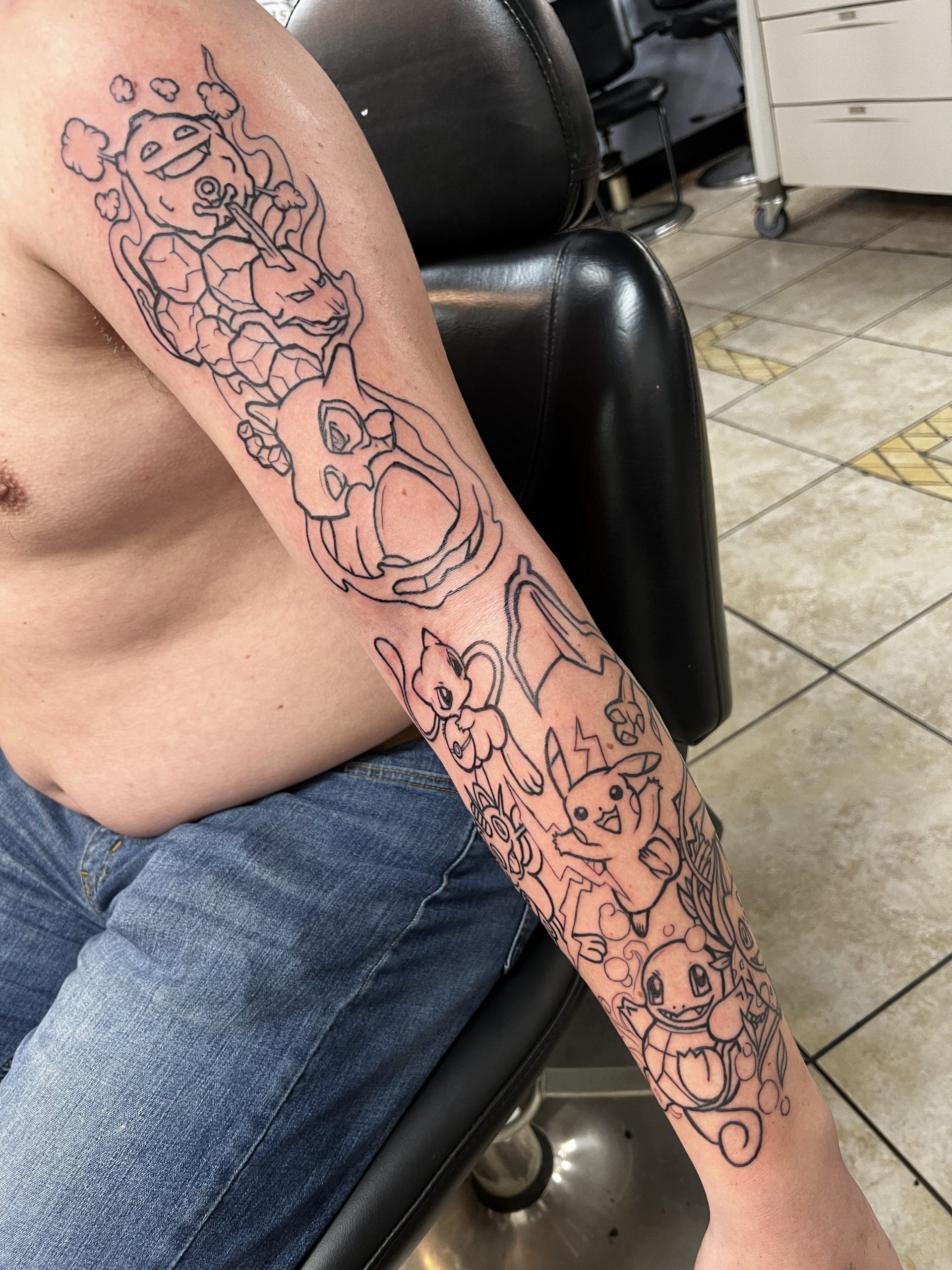
- Modern Subject Matter: While still drawing inspiration from traditional motifs, neo-traditional artists often apply the style to a wider range of subjects, including fantasy creatures, pop culture references, or unique interpretations of classic themes. This flexibility allows for highly personalized and distinctive sleeve designs.
Planning and Consultation: The Foundation of a Successful Sleeve
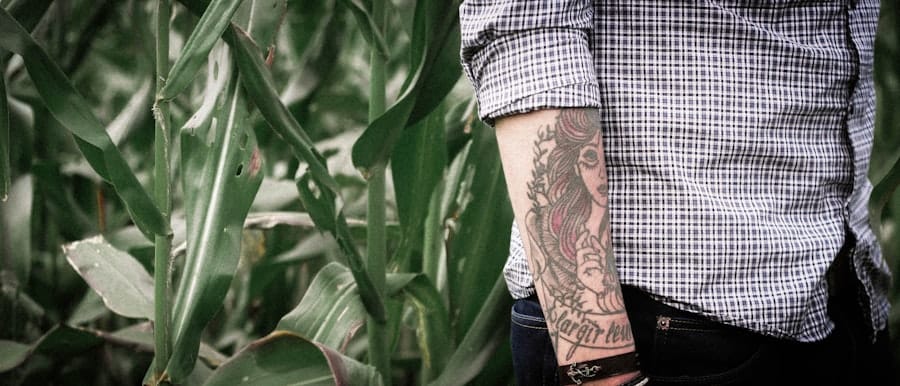
Embarking on a sleeve tattoo project requires careful planning and open communication with the chosen artist. The initial consultation is a crucial step in translating ideas into a tangible design.
Research and Inspiration Gathering
Before a consultation, it is beneficial to gather a collection of reference images that appeal to your aesthetic and thematic preferences. This acts as a visual guide for the artist and helps articulate your vision. Consider images that don’t necessarily have to be tattoos but depict the mood, colors, or concepts you are aiming for.
The Consultation Process
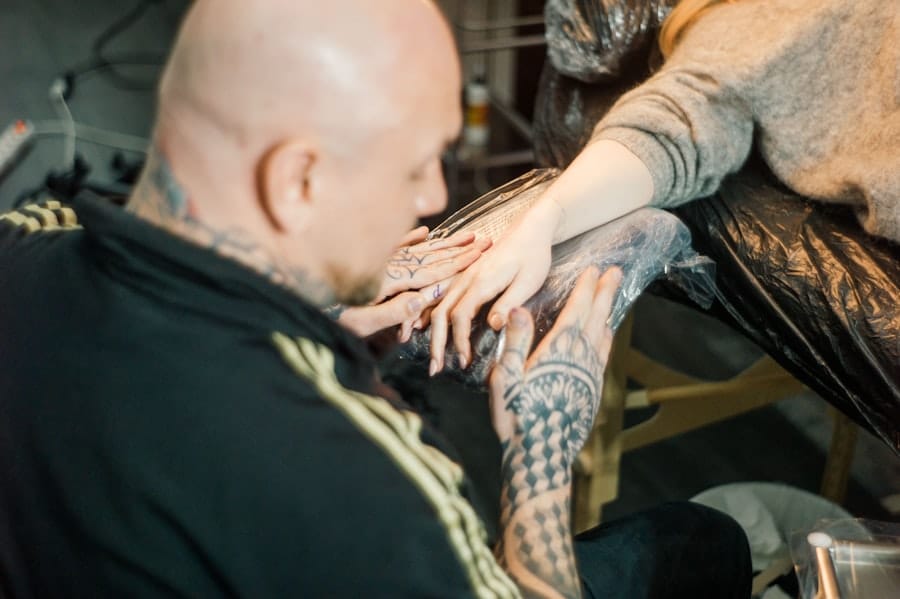
During the consultation at a studio like Funhouse Tattoo, you will discuss your ideas, preferred style, and any specific elements you wish to include. The artist will offer their expertise, provide feedback on feasibility, and suggest compositional approaches that best suit the arm’s anatomy.
- Arm Anatomy and Flow: A skilled artist will consider the contours and movement of your arm to ensure the design flows organically and enhances the natural form. The placement of key elements, the direction of lines, and the overall composition are all influenced by the arm’s unique structure.
- Budget and Timeline: Sleeve tattoos are significant investments of both time and money. Discussing your budget and understanding the estimated number of sessions and overall timeline is essential for managing expectations and planning accordingly.
- Custom Design Development: Many sleeve tattoos are custom-designed from scratch. The artist will take your input and create a unique piece tailored specifically for you. This collaborative process ensures the final design is both personal and professionally executed.
Maintenance and Longevity: Preserving Your Artwork
Aftercare Practices
Following the artist’s aftercare instructions diligently in the initial weeks after each session is paramount. This typically involves gentle cleaning, moisturizing, and protecting the new tattoo from sun exposure. Proper aftercare prevents infection and promotes optimal healing, which directly impacts the tattoo’s appearance.
Sun Protection
Sun exposure is one of the primary culprits for tattoo fading. Regular application of high-SPF sunscreen, especially on your tattooed arm, is crucial for preserving the colors and details of your sleeve. Even after the tattoo is fully healed, protecting it from UV radiation is an ongoing responsibility.
Touch-Up Sessions
Over many years, some areas of a sleeve may benefit from touch-up sessions. This is a normal part of the aging process for any tattoo. Discussing the potential need for touch-ups with your artist, especially for areas that experience more wear and tear, can help maintain the integrity of your sleeve for decades.
In conclusion, a sleeve tattoo is a significant artistic endeavor that requires careful consideration, a clear vision, and the expertise of a skilled artist. Studios in San Diego, such as Funhouse Tattoo, offer a range of talented individuals who can translate your concepts into a lasting piece of wearable art. By exploring diverse themes, stylistic approaches, and engaging in thorough planning, you can achieve a sleeve tattoo that is both personally meaningful and aesthetically compelling.
FAQs
What are sleeve tattoos?
Sleeve tattoos are large tattoos that cover the entire arm, from the shoulder to the wrist. They can be a single cohesive design or a collection of smaller tattoos that flow together.
What are some popular sleeve tattoo ideas?
Popular sleeve tattoo ideas include traditional Japanese designs such as koi fish and cherry blossoms, black and grey realism, geometric patterns, and colorful abstract designs. Other popular themes include nature, animals, and religious or spiritual symbols.
How long does it take to complete a sleeve tattoo?
The time it takes to complete a sleeve tattoo can vary depending on the complexity of the design, the size of the arm, and the pain tolerance of the individual. On average, a full sleeve tattoo can take anywhere from 15 to 30 hours of tattooing spread out over multiple sessions.
What should I consider before getting a sleeve tattoo?
Before getting a sleeve tattoo, it’s important to consider the long-term commitment, as well as the potential impact on employment and social situations. It’s also important to carefully research and choose a reputable and skilled tattoo artist.
Where can I find sleeve tattoo artists in San Diego?
San Diego is home to many talented tattoo artists who specialize in sleeve tattoos. You can find artists by researching local tattoo shops, browsing their portfolios online, and reading customer reviews. It’s important to schedule consultations with potential artists to discuss your ideas and ensure a good fit.