
Realism in tattooing, particularly the hyper-realistic style, has garnered considerable attention in recent years. This intricate art form, which aims to replicate images as accurately as possible onto skin, demands a specific skillset and understanding from the artist. For those considering a realistic tattoo in Pacific Beach, understanding the process, challenges, and requirements is crucial. This article outlines what to expect when pursuing realistic tattoo work at Funhouse Tattoo, a studio recognized for its realistic tattoo artists.
Realistic tattoos are defined by their commitment to mirroring photographs or real-life subjects with precise detail, shading, and texture. Unlike traditional or neo-traditional styles that often simplify or stylize subjects, realism endeavors to reproduce the visual world as closely as possible. This pursuit of verisimilitude presents both opportunities for stunning artistic expression and distinct technical hurdles.
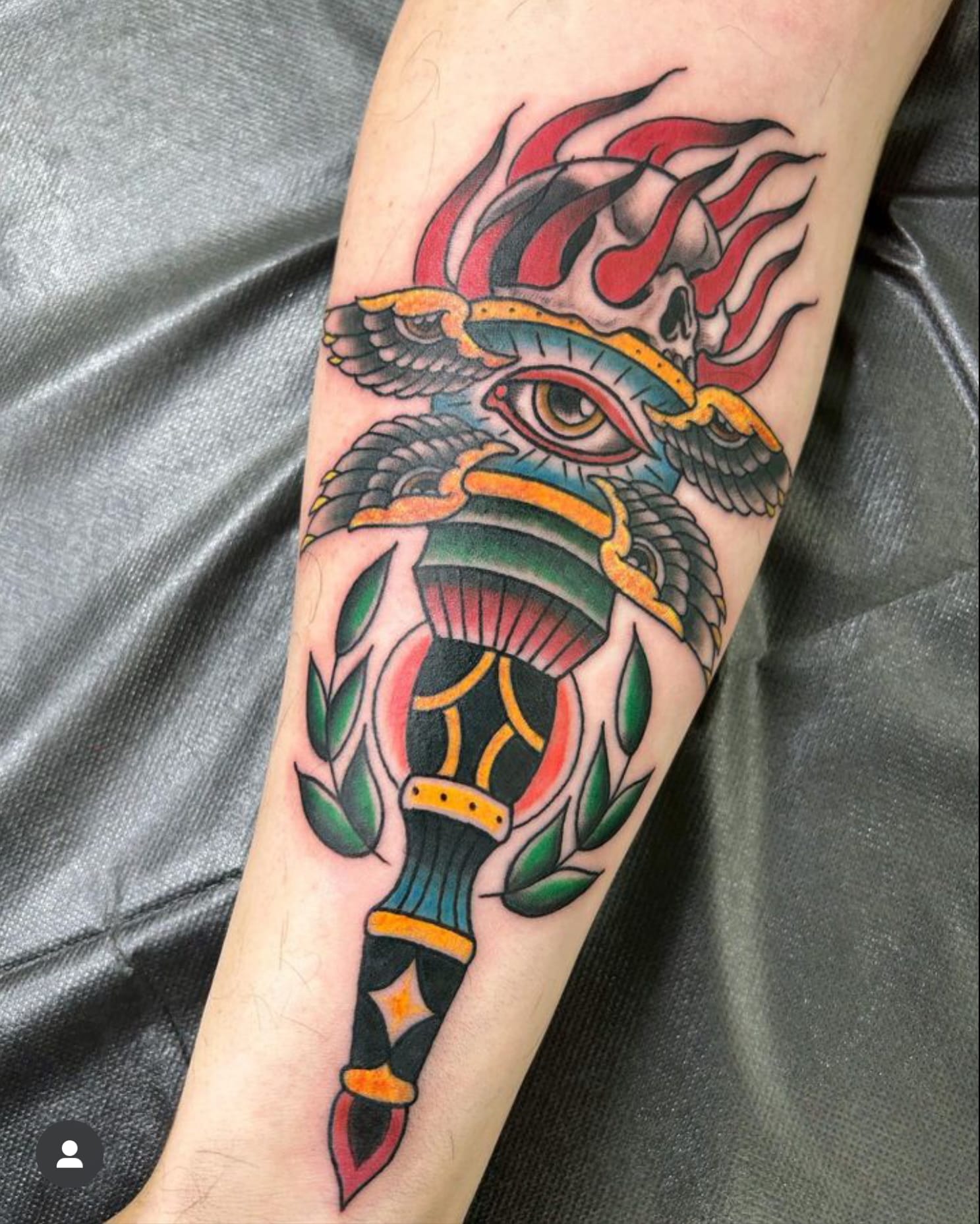
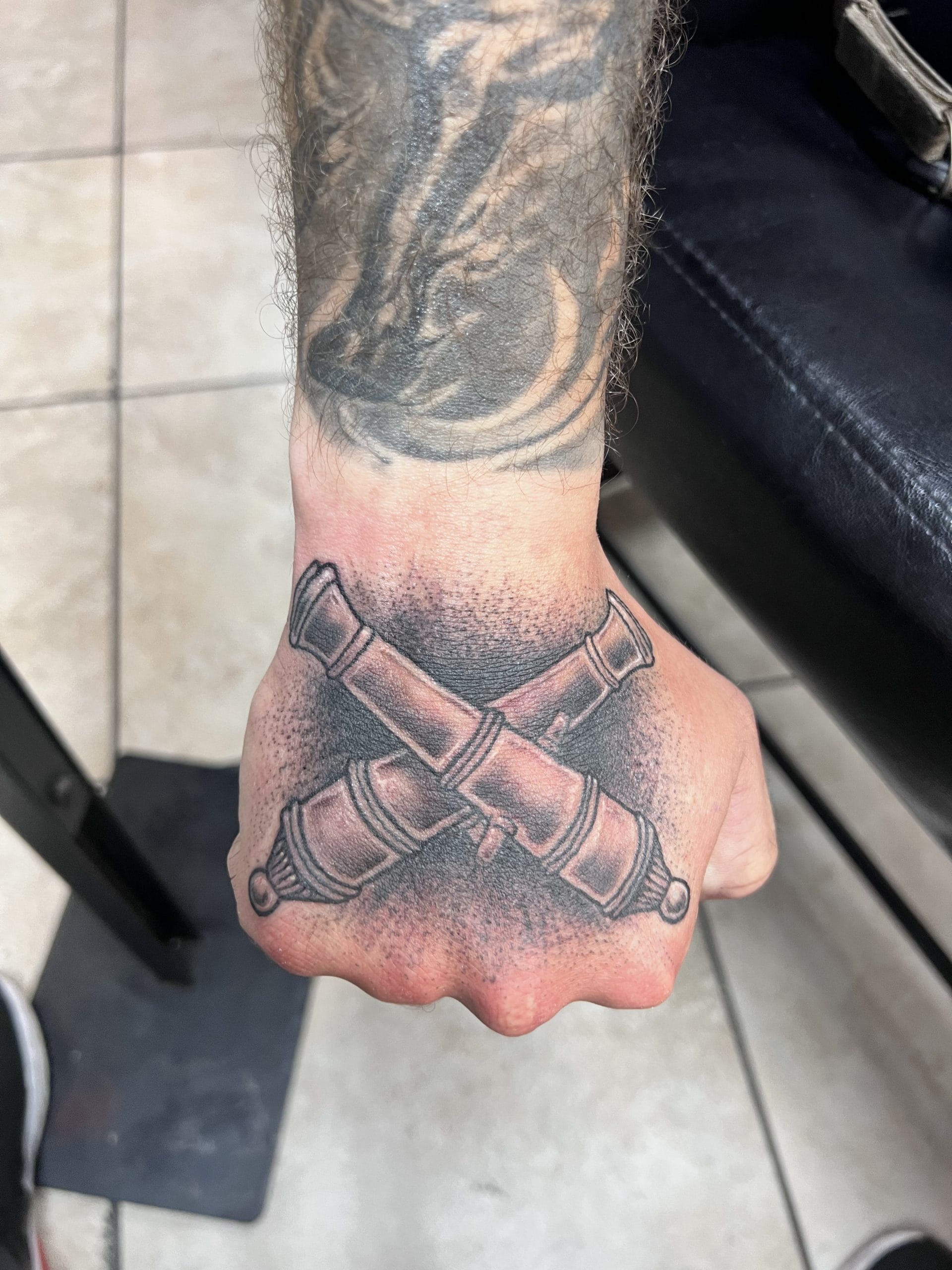
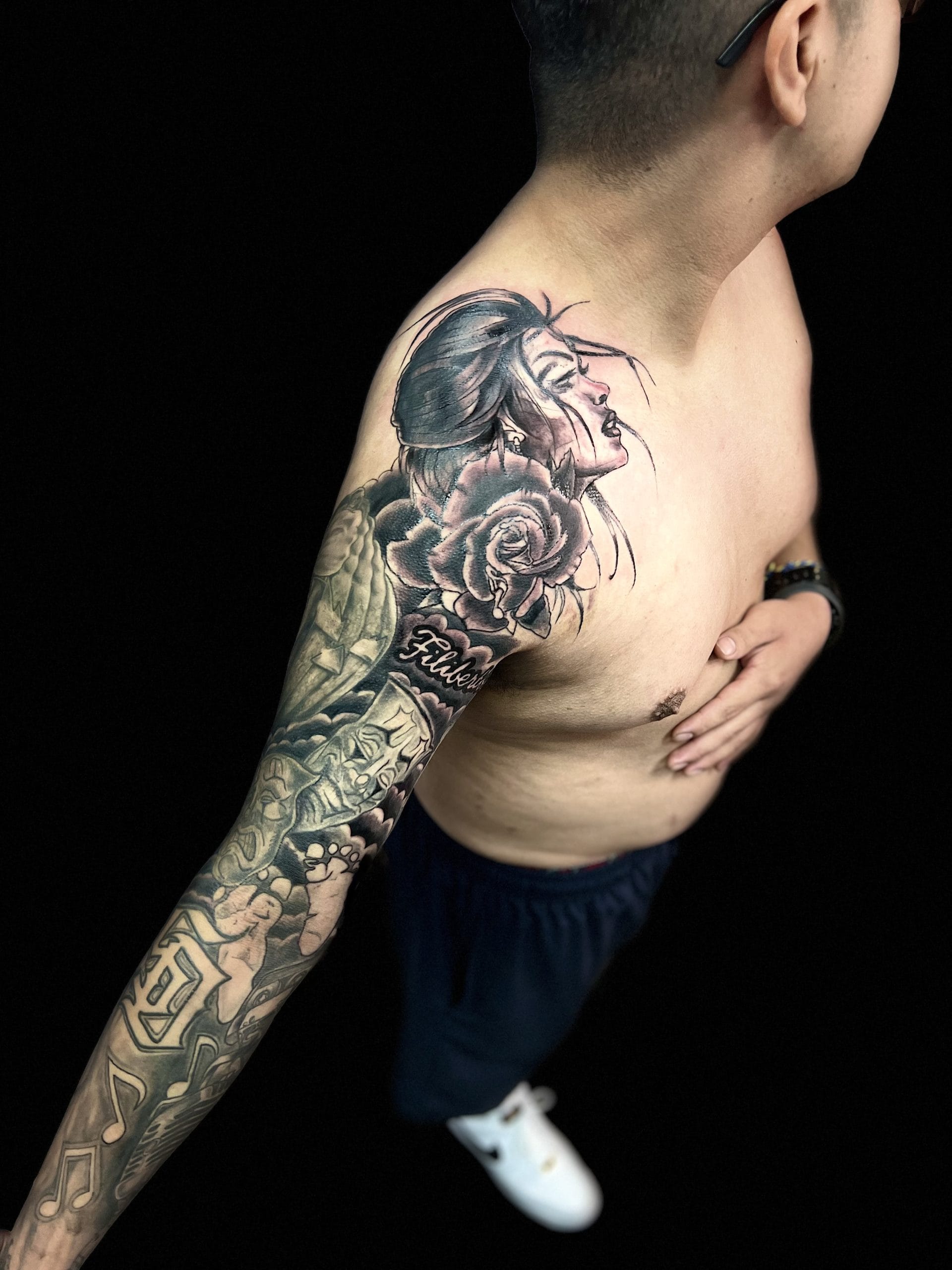
Defining Realism in Tattooing
Realism in tattooing isn’t a monolithic style; it encompasses various sub-genres. Black and grey realism focuses on tonal values to create depth and form, often mimicking photographic effects. Color realism, conversely, involves a complex understanding of color theory and pigment application to reproduce a subject’s natural hues. Portrait realism, a highly sought-after form, centers on accurately depicting human or animal faces, capturing nuances of expression and individual characteristics. Abstract realism blends elements of realism with more conceptual or impressionistic styles, offering a less literal interpretation. Each sub-genre requires a specialized approach and a distinct set of artistic competencies.
Choosing Your Artist at Funhouse Tattoo
Selecting the right artist is paramount for any tattoo, but even more so for realistic work. At Funhouse Tattoo, artists specializing in realism possess a unique combination of artistic talent, technical skill, and a deep understanding of the style’s intricacies. Identifying an artist whose portfolio aligns with your vision and whose expertise matches your chosen subject matter is a critical first step.
Portfolio Review and Specialization
A thorough review of an artist’s portfolio is non-negotiable. Look specifically for examples of realistic work similar to what you envision. Pay attention to the quality of their shading, the precision of their lines, and their ability to capture likeness in portraits. Does their work demonstrate a consistent level of quality? Do they specialize in black and grey, color, or a particular type of realistic subject (e.g., animals, human portraits)? An artist deeply entrenched in a specific niche of realism is often a better choice than one who claims to be a generalist. Their focused practice translates to refined skills in that area.
The Consultation Process
Once you’ve identified a potential artist, a consultation is the next step. This initial meeting is crucial for discussing your ideas, sharing reference images, and understanding the artist’s recommendations. Be prepared to articulate your vision clearly. The artist will likely ask about the desired size, placement, and any specific details you want to incorporate. This is also an opportunity to assess their communication style and ensure a comfortable rapport. A good artist will be transparent about the process, potential challenges, and what to expect regarding healing and aftercare. They will also provide an estimate of the time and cost involved..
Preparation for Your Realistic Tattoo Session
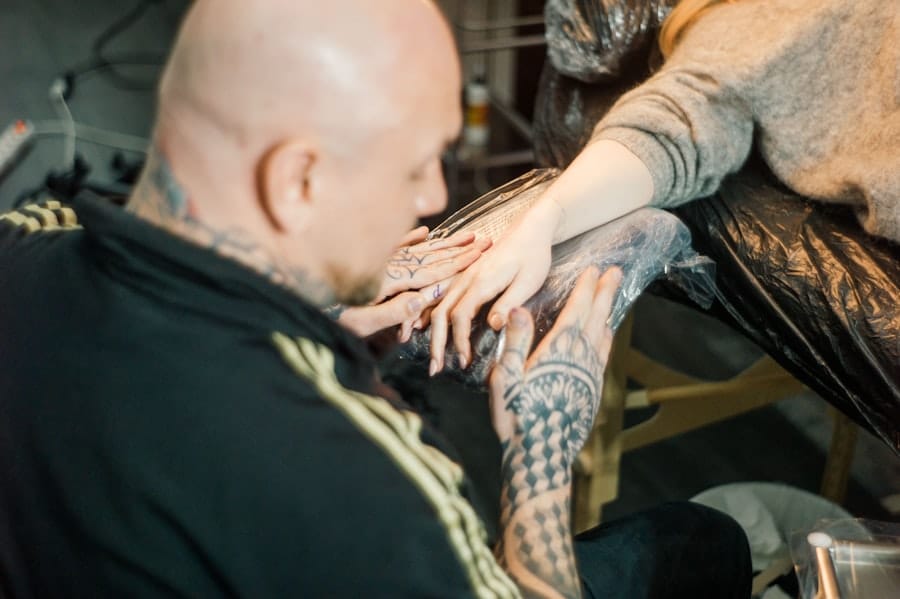
Reference Material and Design Collaboration
Gathering high-quality reference images is paramount for realistic tattoos. Provide clear, well-lit photographs from multiple angles if possible. For portraits, sharp images that capture the subject’s features accurately are essential. The artist will use these references to create a stencil and guide their work. Be open to the artist’s input during the design phase. They may suggest adjustments to size, placement, or composition to ensure the design translates effectively onto the skin and ages well. Collaboration is key to achieving a tattoo that meets both your vision and the artist’s technical expertise.
Physical and Mental Readiness
Before your tattoo session, ensure you are well-rested, hydrated, and have eaten a substantial meal. Low blood sugar can lead to dizziness and discomfort during a long session. Avoid alcohol and blood-thinning medications for at least 24-48 hours prior, as these can increase bleeding and hinder the tattooing process. Dress comfortably in clothing that allows easy access to the tattoo area. Mentally, it helps to be prepared for the duration and the potential discomfort. Some clients bring headphones to listen to music or podcasts to help pass the time and distract from the sensation.
Skin Preparation
The area of skin to be tattooed should be clean, healthy, and free of blemishes, cuts, or sunburn. If you regularly shave the area, do so a day or two before your appointment to avoid irritation. Moisturizing the skin in the weeks leading up to your session can also help improve its elasticity and receptiveness to the ink. However, avoid applying any lotions or creams immediately before your appointment, as the artist will prepare the skin with their own antiseptic solutions.
The Tattooing Process for Realism
Stencil Application and Placement Review
Upon arrival, the artist will prepare the stencil based on the finalized design. This is a crucial step for realistic work, as precise placement and accurate transfer of the design directly influence the final outcome. The artist will apply the stencil to your skin, and you will have the opportunity to review its position, size, and orientation. Do not hesitate to voice any concerns or request adjustments at this stage. Once the stencil is approved and set, the artist will begin.
The Gradual Building of Detail and Texture
Realistic tattoos are built up in layers, much like a painting. The artist will typically start with outlines or foundational shading to establish the basic form and structure. From there, they will gradually add layers of detail, focusing on rendering textures, contrasts, and subtle tonal shifts. For black and grey realism, this involves a sophisticated understanding of grey washes and highlights. For color realism, it entails careful color mixing, layering, and blending to achieve smooth transitions and accurate hues. This iterative process requires immense patience from both the artist and the client.
Breaks and Pain Management
Long tattoo sessions are standard for realism. The artist will typically offer breaks for you to stretch, use the restroom, or have a snack. Communication during the session is vital. If you feel uncomfortable, need a break, or are experiencing significant pain, inform your artist. While pain is an unavoidable aspect of tattooing, managing it proactively can make the experience more bearable. Some clients use topical numbing creams, but it’s essential to discuss this with your artist beforehand, as certain products can affect skin texture and ink absorption.
Aftercare and Healing of Realistic Tattoos
The quality of aftercare directly impacts how your realistic tattoo heals and how it will look in the long term. Failure to follow proper aftercare instructions can lead to faded colors, poor detail, or even infection, compromising the artwork.
Immediate Aftercare Instructions
Immediately after the session, the artist at Funhouse Tattoo will clean the tattooed area and apply a protective dressing, usually a sterile bandage or a specialized adhesive film like Saniderm. They will provide specific instructions on how long to keep the dressing on, how to clean the tattoo, and what products to use. It is crucial to follow these instructions precisely. The initial days of healing involve the tattoo being an open wound, and proper care prevents infection and aids the early stages of regeneration.
Long-Term Healing and Maintenance
The complete healing process for a realistic tattoo can take weeks, and for deeper layers, even months. During this period, the tattoo may scab, peel, and itch. Resist the urge to pick or scratch it, as this can pull out ink and damage the design. Continue to keep the tattoo clean and moisturized with recommended products. Once fully healed, sun protection becomes paramount. UV exposure is the leading cause of tattoo fading, especially for color realism. Regular application of high-SPF sunscreen is essential to preserve the vibrancy and detail of your realistic artwork over its lifetime.
FAQs
What are realistic tattoos?
Realistic tattoos, also known as 3D tattoos, are tattoos that are designed to look like real objects or images. They are created using shading and perspective techniques to give the illusion of depth and realism.
What can I expect from a realistic tattoo in Pacific Beach?
In Pacific Beach, you can expect to find talented tattoo artists who specialize in realistic tattoos. They will work with you to design a custom piece that meets your vision and expectations. The process may take several sessions to complete, depending on the size and complexity of the design.
How long do realistic tattoos typically take to complete?
The time it takes to complete a realistic tattoo can vary depending on the size, detail, and placement of the design. Smaller pieces may be completed in one session, while larger, more intricate designs may require multiple sessions over several weeks or months.
What should I consider before getting a realistic tattoo?
Before getting a realistic tattoo, it’s important to carefully consider the design, placement, and size of the tattoo. You should also research and choose a reputable tattoo artist with experience in realistic tattoos. Additionally, it’s important to consider the potential pain and aftercare involved in getting a tattoo.
How do I care for a realistic tattoo after it’s been completed?
After getting a realistic tattoo, it’s important to follow the aftercare instructions provided by your tattoo artist. This typically includes keeping the tattoo clean and moisturized, avoiding direct sunlight and swimming for a period of time, and avoiding picking or scratching at the tattoo as it heals.