
Designing a custom tattoo at a reputable studio like Funhouse Tattoo in Pacific Beach involves a structured process, ensuring the final artwork aligns with a client’s vision and meets professional standards. This article will outline the typical steps involved, from the initial spark of an idea to the application of the final design, focusing on the practicalities of how custom tattoo design works in this setting.
The journey towards a custom tattoo begins with an initial consultation. This crucial first step allows both the client and the artist to establish a clear understanding of the project ahead. It’s not merely a casual chat, but a focused discussion designed to gather information and set realistic expectations.
Understanding Your Vision
During the consultation, the artist’s primary goal is to understand your vision. This involves more than just a vague concept; it requires a detailed exploration of your ideas, preferences, and the underlying meaning you wish to convey.
Exploring Your Concept
Clients are encouraged to articulate their tattoo concept as thoroughly as possible. This can range from specific imagery they have in mind to broader themes or emotions they want the tattoo to evoke. The artist will ask probing questions to delve deeper into these initial ideas, aiming to unearth the core elements of the design.
Visual References Are Key
Bringing visual references is highly recommended. These can include images of existing tattoos you admire, photographs, illustrations, artwork, or even textures and patterns. These references serve as a concrete starting point, helping the artist to translate your abstract ideas into tangible visual elements. It’s important to note that these are for inspiration, not duplication, as the goal is always a unique, custom design.
Discussing Placement and Size
The intended placement of the tattoo is a significant factor in its design. The artist will consider the contours of the body, muscle movement, and the flow of the design within that space. Size is also critical; a design that works well on a large canvas may become cluttered or lose detail when scaled down, and vice-versa. During the consultation, these practical considerations will be discussed to ensure the design is aesthetically pleasing and durable on the chosen body part.
Addressing Practical Considerations
Beyond the artistic vision, several practical aspects need to be addressed during the initial consultation to ensure the smooth progression of the custom tattoo design process.
Budgetary Expectations
A frank discussion about your budget is essential. Custom tattoo designs vary widely in cost depending on size, complexity, color palette, and the artist’s hourly rate. Understanding your budget allows the artist to tailor the design proposal to fit within your financial parameters, preventing misunderstandings later in the process.
Scheduling and Timeline
The timeline for a custom tattoo design can vary significantly. Simple designs might be drafted relatively quickly, while more intricate or large-scale projects can require multiple design sessions and a longer lead time. The artist will provide an estimate for both the design phase and the tattooing appointment(s), taking into account their current schedule and the complexity of your request.
Deposit Requirements
Reputable tattoo studios, including Funhouse Tattoo, typically require a non-refundable deposit before beginning any custom design work. This deposit serves to secure your design spot, reflect your commitment to the project, and compensate the artist for their time spent on preliminary sketches and concept development, even if the tattoo appointment itself is cancelled. The amount of the deposit is usually applied to the final cost of the tattoo.
Design Development: Bringing Your Vision to Life
Once the initial consultation is complete and a deposit has been placed, the artist begins the design development phase. This is where your abstract ideas start to take on a concrete visual form.
Research and Conceptualization
The artist will take the information gathered during the consultation and begin their research and conceptualization process. This is an introspective stage for the artist, translating your input into a cohesive visual concept.
Sourcing Inspiration
Even with your provided references, the artist may delve into their own research, exploring historical art, different cultural motifs, natural elements, or other sources pertinent to your design. This broader exploration helps to enrich the design and ensure its uniqueness.
Sketching Initial Concepts
The artist will then begin sketching initial concepts. These are often rough, preliminary drawings that explore different compositions, focal points, and stylistic approaches. The goal at this stage is to capture the essence of your idea and explore various ways it can be visually represented. These sketches are not final but serve as a foundation for further refinement.
Presentation and Feedback Loop
Once the artist has developed some initial concepts, they will present them to you for feedback. This is a critical stage where you actively participate in shaping the design.
Reviewing Initial Sketches
You will be invited to review the initial sketches, either in person or through digital communication. During this review, the artist will walk you through their thought process, explaining their artistic choices and how they interpreted your vision.
Providing Constructive Feedback
This is your opportunity to provide constructive feedback. Be specific about what you like, what you don’t like, and any elements you wish to see changed or refined. Clear and honest communication at this stage is vital for the artist to accurately adjust the design. Avoid vague statements and instead articulate your preferences with examples or detailed descriptions.
Iterative Refinement
The design process is often iterative. Based on your feedback, the artist will revise the sketches, making adjustments to composition, details, and overall aesthetic. This back-and-forth process continues until both you and the artist are satisfied with the direction of the design. Major conceptual changes after the initial sketches may incur additional design fees, as they can significantly increase the artist’s time investment.
Finalizing the Design: Preparing for the Tattoo Session
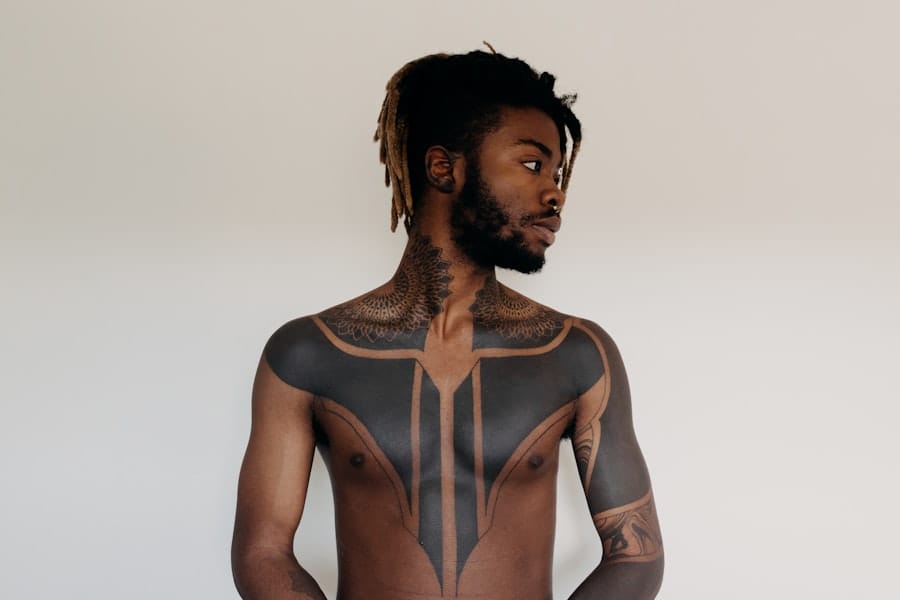
As the design approaches its final form, the focus shifts to meticulous refinement and preparation for the actual tattooing process.
Detailed Drawing and Linework
Once the overall composition and major elements are approved, the artist will proceed with creating a detailed line drawing. This is the blueprint for the tattoo.
Refining Details and Adding Texture
At this stage, intricate details are added, textures are rendered, and the linework is made precise and clean. This final drawing will serve as the guide for the tattoo machine and needles. The artist pays close attention to how each line will translate from paper to skin, considering the longevity and crispness of the tattoo.
Color Palette Selection (If Applicable)
If your design includes color, this is when the color palette is finalized. The artist will discuss various color options, considering factors like skin tone, the desired mood of the tattoo, and how different colors interact with each other. They may provide digital mock-ups or color swatches to help you visualize the final appearance.
Stencil Creation
With the final design approved, the artist will create a stencil. This is a crucial step that ensures the accurate transfer of the design onto your skin.
Preparing the Stencil
The final line drawing is converted into a stencil, typically by printing it on specialized stencil paper. This stencil will be temporarily applied to your skin, providing a precise outline for the tattoo.
Placement and Adjustment on Skin
Before tattooing begins, the artist will carefully place the stencil on your skin. This allows them to assess the placement in relation to your body’s anatomy, muscle movement, and overall aesthetic flow. You will be asked to approve the stencil placement while standing, sitting, and potentially moving, to ensure you are comfortable with its position and orientation. Adjustments can be made at this stage, but significant changes to the design itself are not feasible.
The Tattooing Process: Application and Aftercare
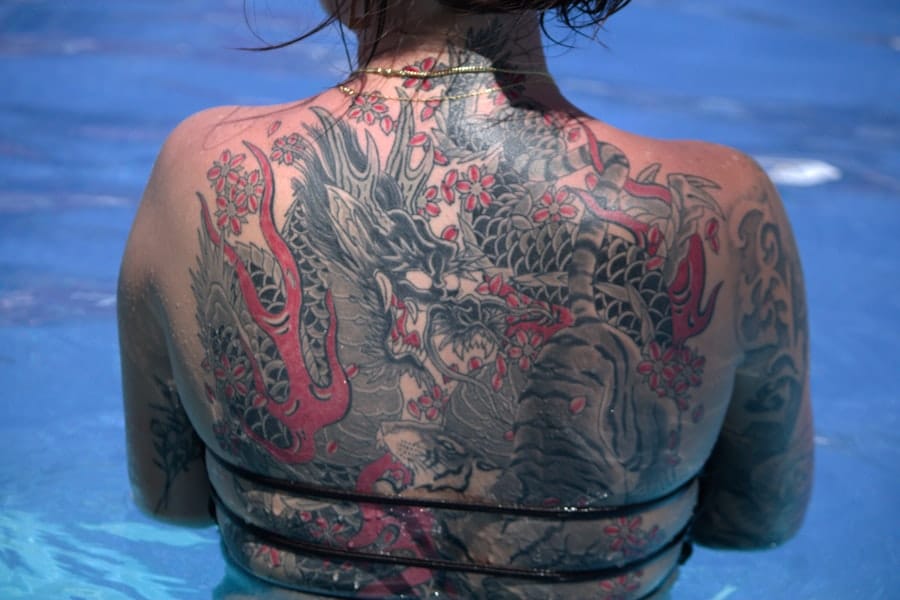
The culmination of the custom design process is the actual tattooing appointment. This is where the approved design is permanently applied to your skin.
Setting Up the Workstation
A professional artist will meticulously set up their workstation, prioritizing hygiene and client safety.
Sterilization and Equipment Preparation
All equipment used for tattooing is either single-use and disposable (needles, ink caps, etc.) or thoroughly sterilized (tattoo machine grips, reusable components) according to strict industry standards. The workstation will be disinfected, and barriers will be applied to prevent cross-contamination.
Ink and Needle Selection
The artist will select the appropriate needles and ink colors based on your approved design. Different needle configurations are used for outlining, shading, and color packing, each chosen for its specific purpose to achieve the desired effect.
Applying the Tattoo
With the workstation prepared and the stencil applied, the artist begins the tattooing process.
Outlining
The first step is typically outlining. The artist uses a fine-line needle to trace the stencil, creating the foundational structure of the tattoo. This sets the boundaries for all subsequent work.
Shading and Color Packing
Once the outline is complete, the artist moves on to shading and color packing. Shading involves creating depth and dimension using various techniques to achieve smooth gradients or textured effects. Color packing refers to filling in areas of the design with solid color. This stage requires patience and precision, as the artist builds up the tattoo layer by layer.
Breaks and Client Comfort
Long tattoo sessions typically include breaks to allow both the client and the artist to rest. Artists prioritize client comfort throughout the process, adjusting their technique as needed and offering opportunities for repositioning.
Aftercare Instructions
Once the tattoo is complete, providing comprehensive aftercare instructions is paramount to ensuring proper healing and the longevity of the artwork.
Immediate Post-Tattoo Care
The artist will clean the newly tattooed area and apply a protective dressing (e.g., Saniderm, Tegaderm, or a traditional bandage). You will receive verbal and written instructions on how to care for your tattoo during the initial healing phase, which typically involves keeping it clean and moisturized.
Long-Term Maintenance
Beyond the initial healing, the artist will advise on long-term maintenance, such as protecting the tattoo from sun exposure, staying hydrated, and moisturizing regularly. Proper aftercare is crucial for the tattoo to heal well and maintain its vibrancy and crispness for years to come. Neglecting aftercare can lead to complications, fading, or a compromised final appearance of the tattoo.
Post-Tattoo Support and Future Considerations
The relationship with your tattoo artist does not necessarily end immediately after the tattoo is complete. Reputable studios often offer ongoing support.
Touch-Up Policies
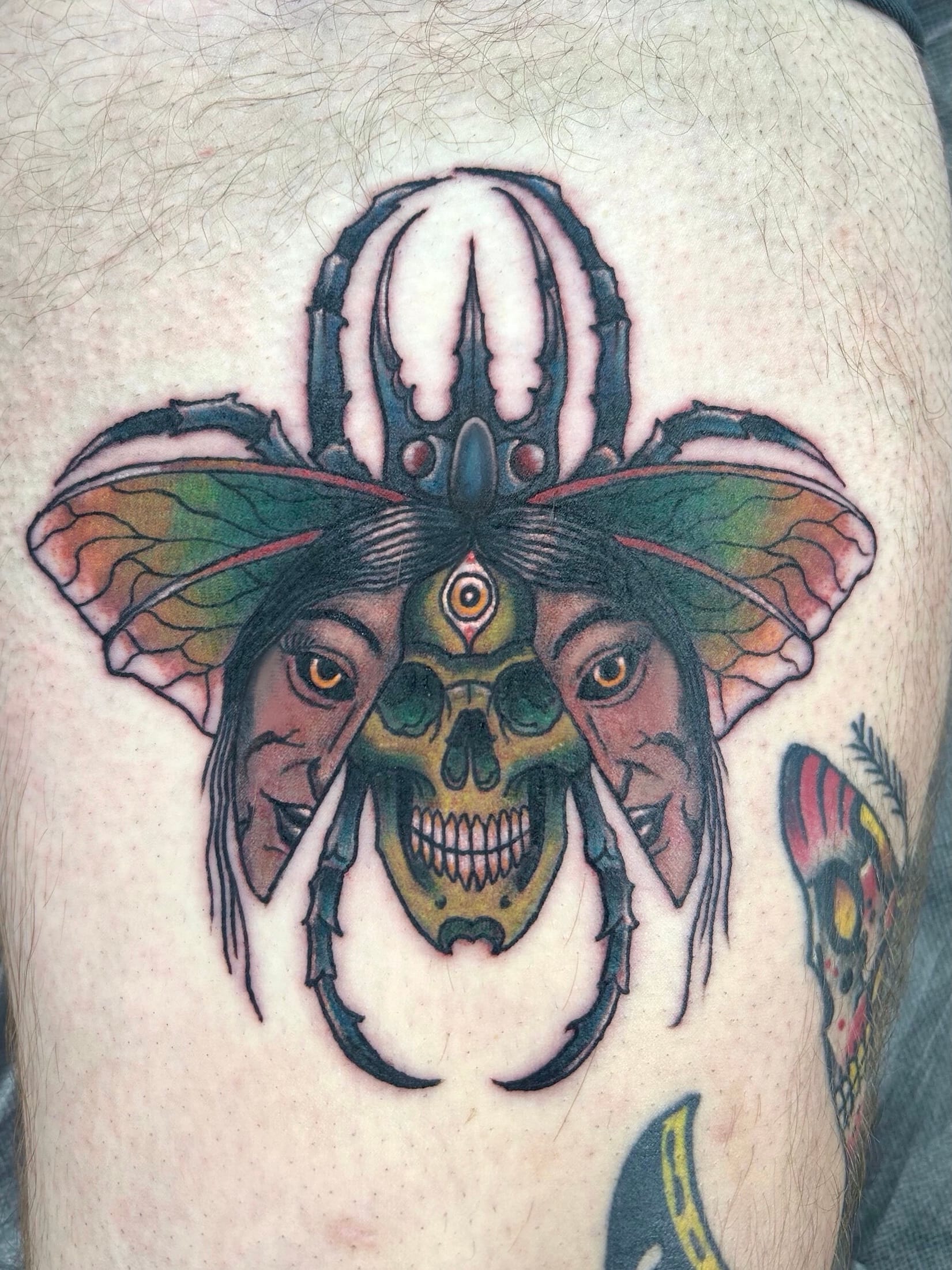
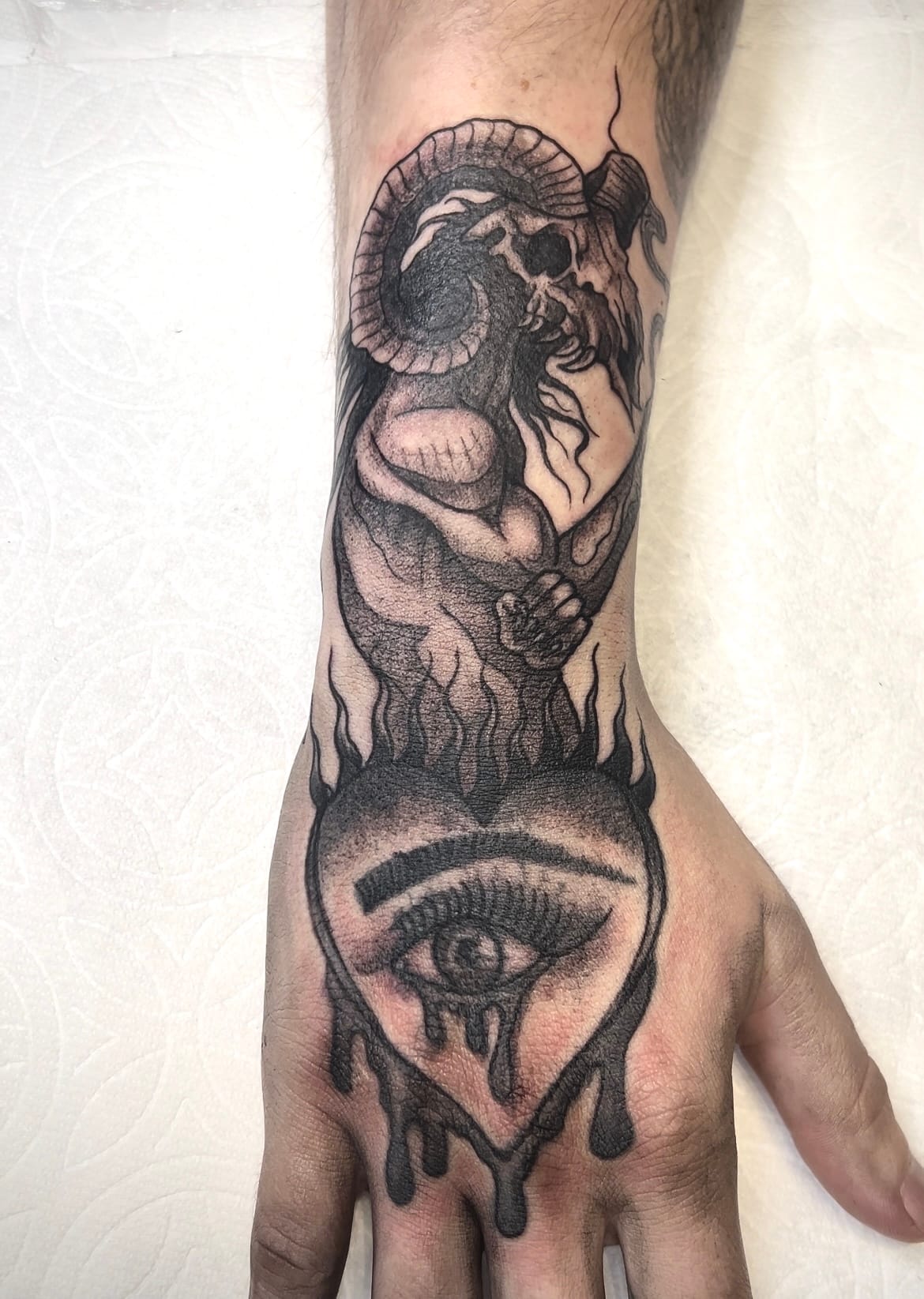
Most custom tattoos, especially larger or highly detailed pieces, may require a touch-up session after the initial healing period. This is often due to the skin’s natural healing process, where some areas may not retain ink as well as others. Funhouse Tattoo, like many professional studios, typically offers a complimentary touch-up within a certain timeframe (e.g., 3-6 months) if needed, provided you have followed the aftercare instructions diligently. It’s important to clarify the studio’s specific touch-up policy during the consultation.
Expanding Your Collection
Once you have a custom tattoo from Funhouse Tattoo, you may consider expanding your collection. Many clients return to the same artist for additional work, whether it’s adding to an existing piece, creating a complementary design, or starting a completely new project. The established rapport and understanding of your aesthetic preferences can streamline the design process for future tattoos. The initial custom design experience provides a strong foundation for a continuing artistic relationship.
FAQs
What is a custom tattoo design?
A custom tattoo design is a unique and personalized tattoo created specifically for an individual, taking into account their preferences, ideas, and style.
How does the process of getting a custom tattoo design in Pacific Beach work?
The process typically involves a consultation with a tattoo artist to discuss the client’s ideas, preferences, and any specific elements they want to incorporate into the design. The artist then creates a custom design based on the client’s input.
What are the benefits of getting a custom tattoo design?
Custom tattoo designs allow individuals to have a one-of-a-kind tattoo that reflects their personality, interests, and style. It also ensures that the tattoo is unique and not a common design that others may have.
How long does it take to create a custom tattoo design in Pacific Beach?
The time it takes to create a custom tattoo design can vary depending on the complexity of the design, the artist’s schedule, and the client’s input. It’s best to consult with the tattoo artist for a more accurate timeline.
What should I consider when choosing a tattoo artist for a custom design in Pacific Beach?
When choosing a tattoo artist for a custom design, it’s important to consider their experience, style, and portfolio. It’s also essential to communicate openly with the artist and ensure they understand your vision for the tattoo.