
San Diego has long been recognized as a hub for tattoo artistry, and within this vibrant scene, the mastery of color tattooing stands out. Achieving a tattoo that truly “pops”—one with vibrant hues, precise shading, and lasting impact—requires a combination of technical skill, artistic vision, and a deep understanding of color theory. This guide explores the elements that contribute to exceptional color tattoos and highlights the capabilities of Funhouse Tattoo in San Diego in bringing these vibrant works of art to life.
The Foundation of Vibrant Color: Pigment and Application
The longevity and brilliance of a color tattoo are fundamentally tied to the quality of the pigments used and the skill with which they are applied. Tattoo inks are not simply dyes; they are complex suspensions of microscopic pigment particles designed to be permanently embedded in the dermal layer of the skin. The way these particles interact with light and the body’s healing process directly influences the final appearance.
Pigment Composition and Longevity
- Ink Quality: High-quality tattoo inks are formulated for stability and color saturation. Reputable manufacturers invest in research to develop pigments that are resistant to fading from UV exposure and the body’s natural processes. The purity of the pigment particles is crucial; impurities can lead to muddy colors or unpredictable reactions over time.
- Color Saturation: Achieving a rich, saturated color means depositing enough pigment particles into the skin to create a dense, opaque appearance. This is a nuanced process that depends on line work, shading techniques, and the specific properties of each color.
- Skin Type and Pigment Interaction: Different skin types can absorb and react to pigments in varying ways. Factors such as skin tone, thickness, and oil production can influence how a color settles and ages. Artists must understand these variations to predict and manage the outcome.
Application Techniques for Maximum Impact
- Layering and Density: Truly pop-worthy color tattoos often involve meticulous layering of ink. Artists build depth and vibrancy by applying multiple passes of ink, carefully controlling the depth and density to achieve the desired luminosity. This is particularly important for creating smooth gradients and avoiding a flat, dull appearance.
- Clean Outlines and Detail: The crispness of an outline provides a boundary that defines the colored areas, making them stand out more effectively. Similarly, fine details within the color, such as highlights or subtle variations in tone, further enhance the dynamic quality of the piece.
- Shading and Blending: Advanced shading techniques are essential for creating dimension and movement within a color design. Smooth transitions between colors and tones, achieved through stippling, whip shading, or color blending, prevent harsh lines and contribute to a more realistic or painterly effect.
Designing for Color: Aesthetics and Intent
The success of a color tattoo extends beyond technical execution; it lies in thoughtful design that leverages the power of color to communicate emotion, symbolism, or aesthetic appeal.
Color Theory in Tattoo Artistry
- Hue, Saturation, and Value: Understanding these fundamental aspects of color is paramount. Hue refers to the pure color (e.g., red, blue). Saturation is the intensity of the color, and value is its lightness or darkness. Manipulating these elements allows artists to create mood, depth, and visual interest.
- Color Harmonies and Contrasts: Artists utilize color harmonies (e.g., analogous colors, complementary colors) to create pleasing visual relationships. Contrasting colors, when used strategically, can make specific elements of the tattoo pop and draw the viewer’s eye. The choice of color palette is a critical decision in the design phase.
- Symbolic Color Meanings: While subjective, certain colors carry common symbolic associations (e.g., red for passion or danger, blue for calmness or sadness). Artists can incorporate these meanings into a design to add layers of interpretation to the artwork.
Tailoring Color to Style and Subject Matter
- Realism and Vibrant Palettes: For hyper-realistic tattoos, the artist must accurately represent the colors found in nature or the subject matter. This requires a meticulous eye for detail and a broad spectrum of pigments to capture subtle shifts in light and shadow.
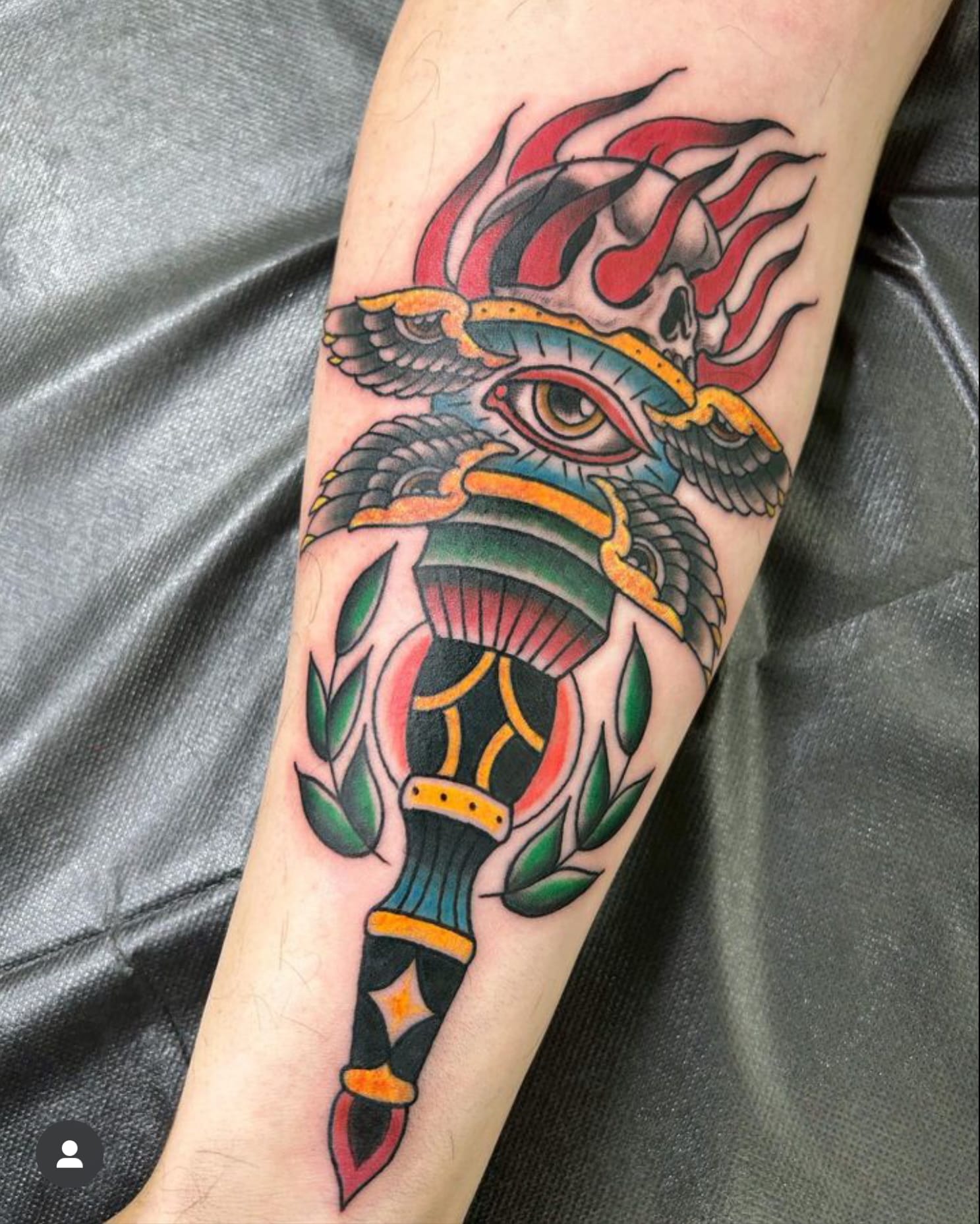
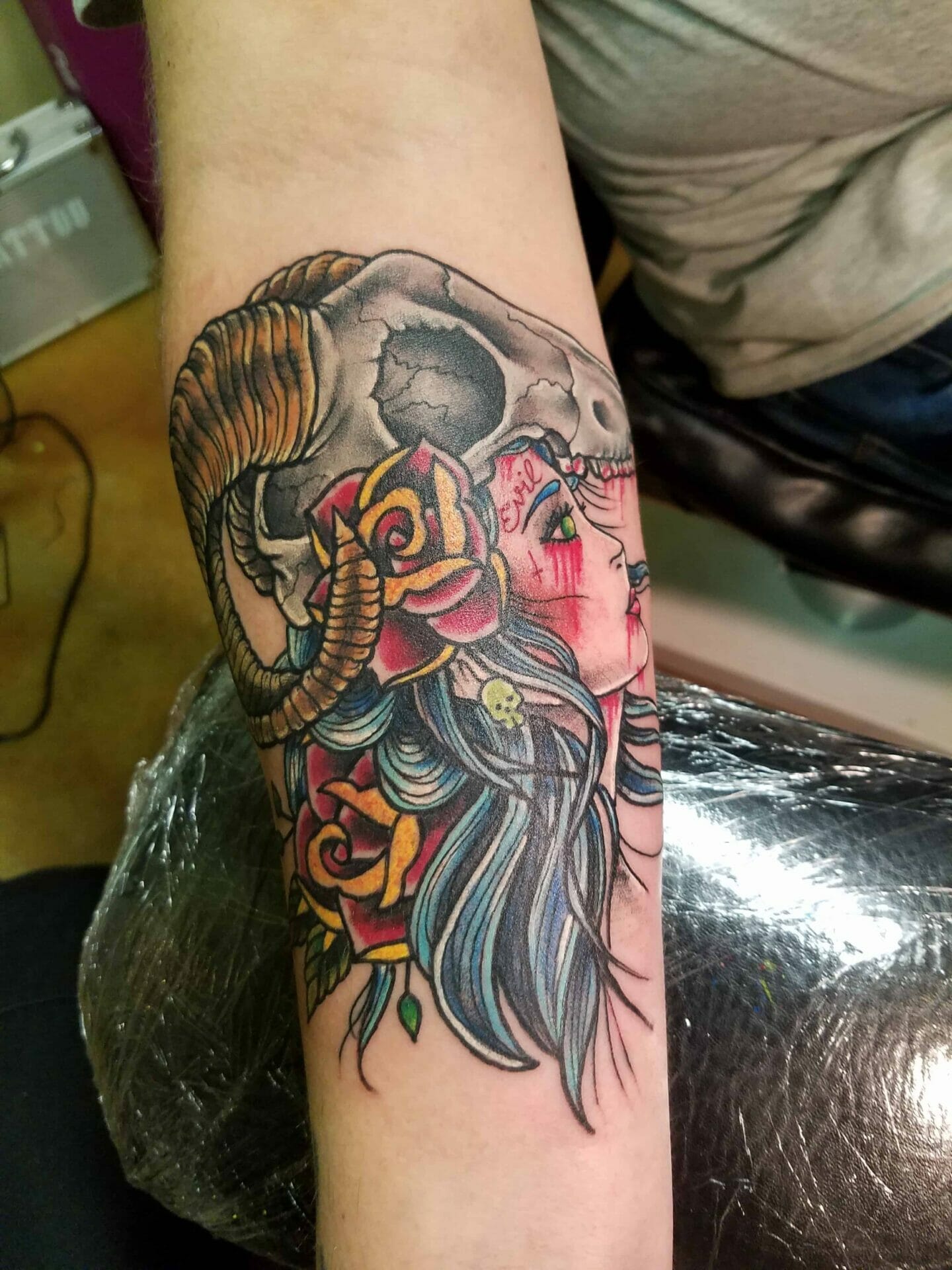
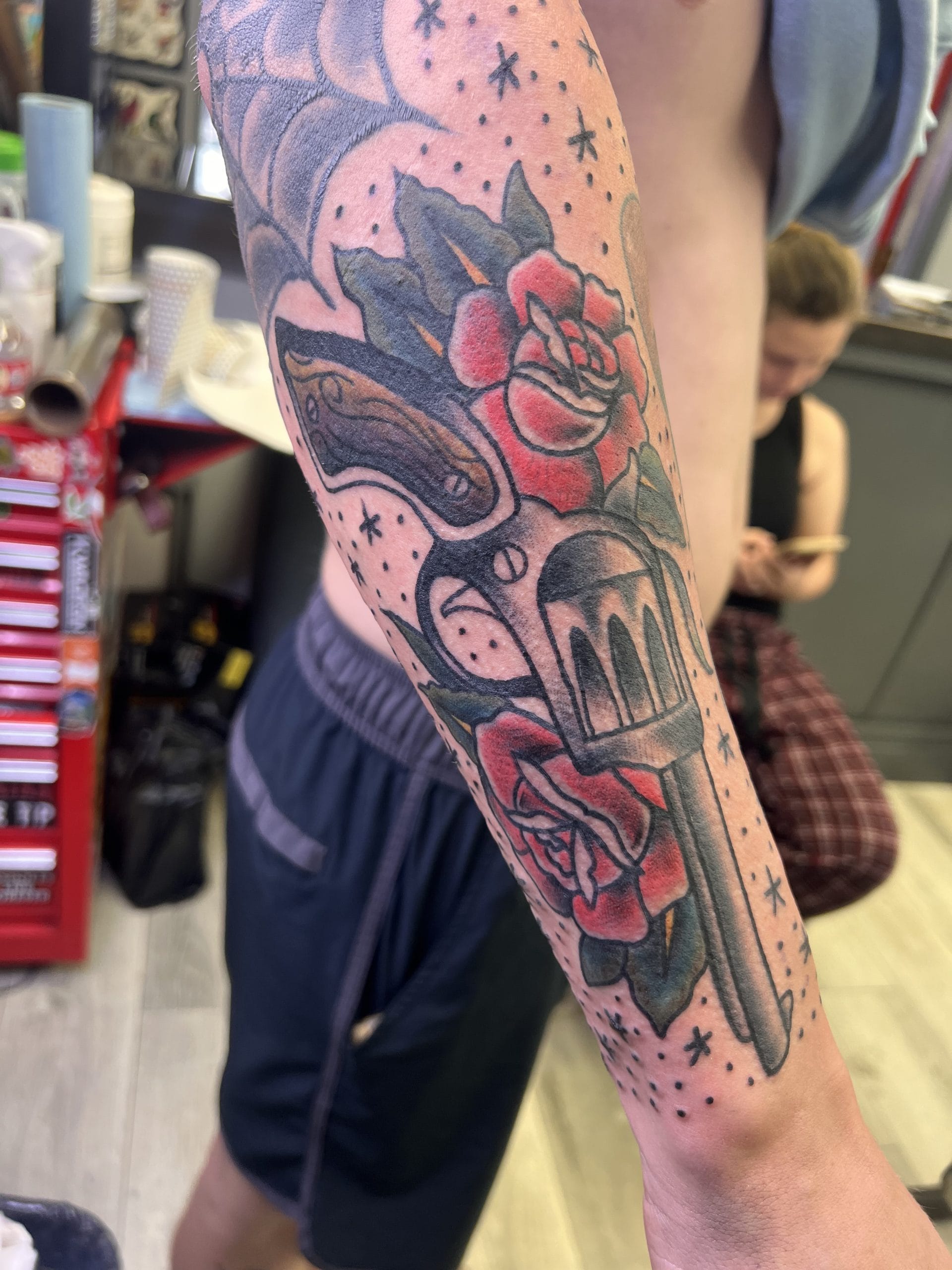
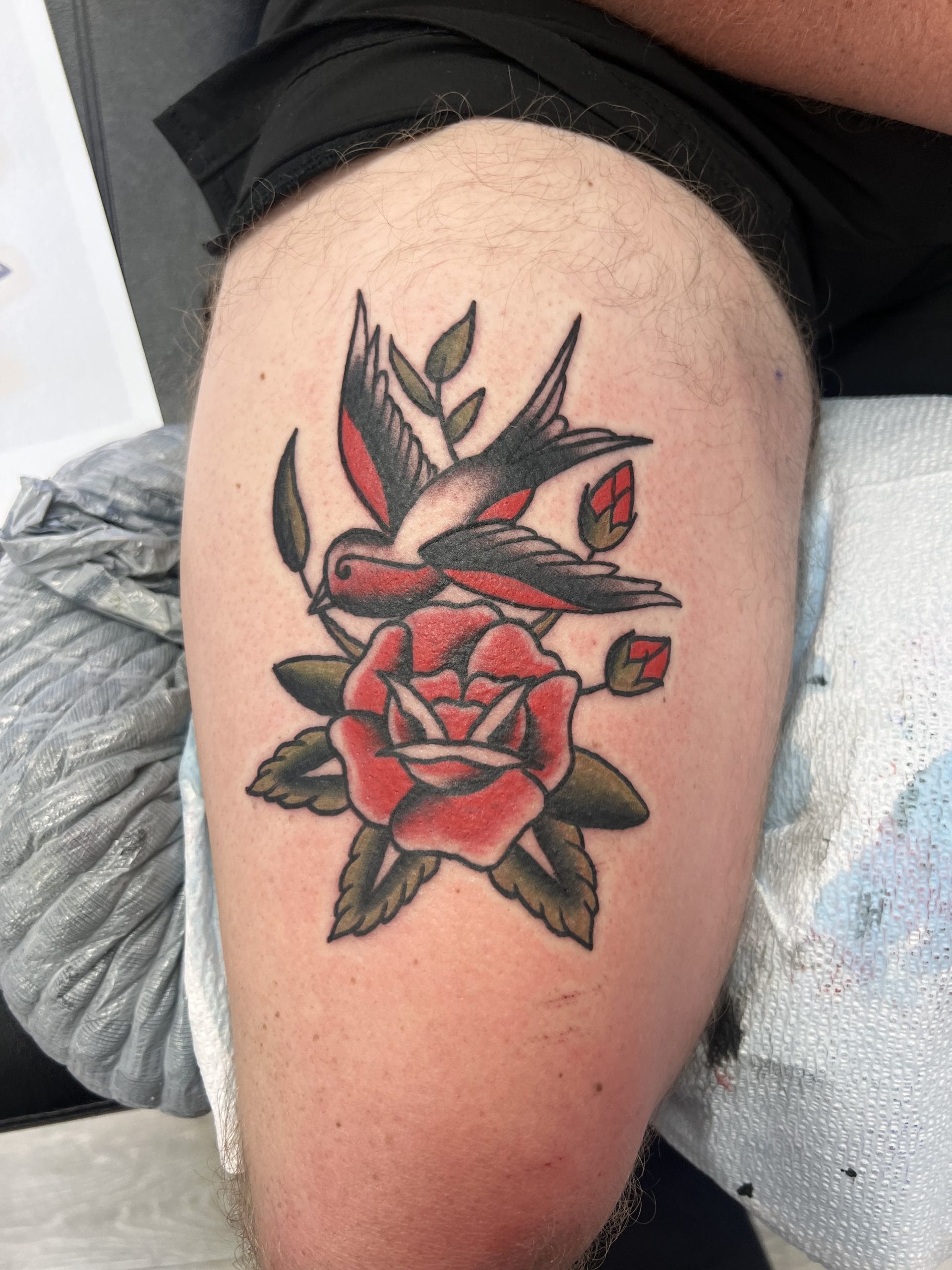
- Neotraditional and Bold Hues: This style often uses bold, bright colors with strong outlines. The art of this genre lies in the strategic placement of contrasting colors to create a visually striking and energetic composition, often with saturated jewel tones.
- Illustrative and Stylized Color: Illustrative tattoos can employ a wide range of color palettes, from muted and desaturated to hyper-vivid and fantastical. The artist’s ability to create a cohesive and appealing color scheme that aligns with the illustrative style is key.
- Abstract and Experimental Color: Abstract tattoos offer the most freedom in color exploration. Here, color can be the primary focus, used to evoke mood, texture, or pure aesthetic experience without specific representational intent.
Funhouse Tattoo: A Hub for Dynamic Color Work in San Diego
Funhouse Tattoo in San Diego has established a reputation for delivering high-quality color tattoos that exhibit vibrancy and artistic integrity. Their approach to color tattooing is characterized by a commitment to both technical precision and imaginative design.
The Artists’ Expertise in Color Application
- Mastery of Pigment Delivery: Funhouse Tattoo artists possess a refined understanding of how to deposit pigment into the skin for optimal color saturation and longevity. This involves precise needle control and an awareness of how different pigments interact with the skin during the healing process.
- Advanced Shading and Blending Techniques: The artists at Funhouse Tattoo demonstrate proficiency in a variety of shading and blending techniques that bring color to life. Whether creating smooth gradients for a realistic effect or sharp color transitions for a graphic style, their application ensures that colors transition seamlessly and maintain their intensity.
- Color Palette Development: Each artist at Funhouse Tattoo approaches color selection with a discerning eye. They collaborate with clients to understand their vision and then develop color palettes that are not only visually appealing but also suitable for the chosen design and its intended placement on the body. This involves considering how light and shadow will interact with the chosen hues.
Client Collaboration and Design Consultation
- Translating Vision into Color: A core strength of Funhouse Tattoo is their ability to translate a client’s ideas into a visually compelling color tattoo. The initial consultation phase involves in-depth discussions about the desired subject matter, aesthetic style, and the emotional impact the client wishes to achieve with their tattoo.
- Artistic Interpretation and Enhancement: Armed with the client’s input, the artists at Funhouse Tattoo apply their expertise to enhance the design with thoughtful color choices. They may suggest complementary color schemes, highlight specific elements with contrasting shades, or propose variations in saturation and value to maximize the visual impact of the artwork.
- Guidance on Color Selection: For clients who may be less familiar with color theory or the nuances of tattoo pigments, Funhouse Tattoo’s artists provide expert guidance. They explain the potential outcomes of different color combinations and how various hues might age over time, ensuring clients make informed decisions about their permanent artwork.
Sustaining Vibrancy: Aftercare for Color Tattoos
The brilliance of a color tattoo is not solely determined by the artist’s skill; the client’s commitment to proper aftercare plays a crucial role in preserving its vibrancy over time.
Immediate Post-Tattoo Care
- Following Artist’s Instructions: Adhering strictly to the specific aftercare instructions provided by the Funhouse Tattoo artist is paramount. These instructions are tailored to the individual tattoo and the healing process, covering aspects like wound cleansing, moisturizing, and protection.
- Gentle Cleansing: The tattooed area should be gently cleaned with mild, fragrance-free soap and lukewarm water. Aggressive scrubbing can irritate the healing skin and damage the fresh ink.
- Moisturizing Practices: Applying a thin layer of recommended tattoo balm or ointment helps to keep the skin hydrated and aids in the healing process. Over-moisturizing can suffocate the skin and hinder healing, while under-moisturizing can lead to dryness and cracking.
Long-Term Maintenance of Color
- Sun Protection: Prolonged exposure to ultraviolet (UV) radiation from the sun is a primary cause of tattoo fading. Once a tattoo has healed, daily application of sunscreen with a high SPF (30 or higher) to the tattooed area is essential. Wearing protective clothing when spending extended periods outdoors also helps.
- Hydration and Skin Health: Maintaining overall skin health through proper hydration and a balanced diet can indirectly benefit the longevity of a tattoo. Healthy skin is more resilient and may better retain pigment.
- Avoidance of Harsh Treatments: Harsh skincare products, exfoliants, and abrasive treatments should be avoided on or near tattooed areas, as they can degrade the skin and, consequently, the tattoo.
The Technical Aspects of Achieving “Pop”
Beyond the aesthetic considerations, several technical aspects contribute to the visual impact, or “pop,” of a color tattoo. These are areas where meticulous skill and years of practice are evident.
Depth and Dimension Through Layering
- Building Color Intensity: Achieving a vibrant color that appears luminous often requires building up layers of ink. Artists carefully apply multiple passes of the same color or different shades to achieve a desired depth and saturation. This layering can create the illusion of light emanating from within the tattoo.
- Creating Optical Illusions: Through strategic placement of lighter and darker tones, artists can create depth and make elements of the tattoo appear to recede or advance. This is particularly crucial in designs aiming for a sense of realism or dimensionality.
- Preventing “Muddying”: A common challenge in color tattooing is preventing different colors from blending together in an undesirable way, leading to a “muddy” appearance. Experienced artists understand pigment interaction and use precise application techniques to maintain color separation and clarity.
Contrast and Highlight Application
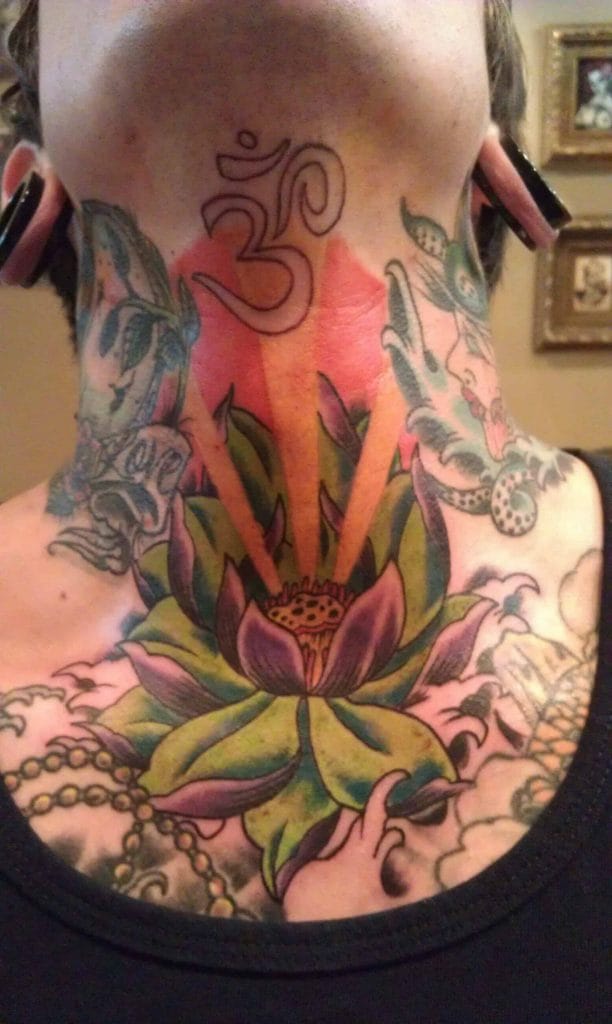
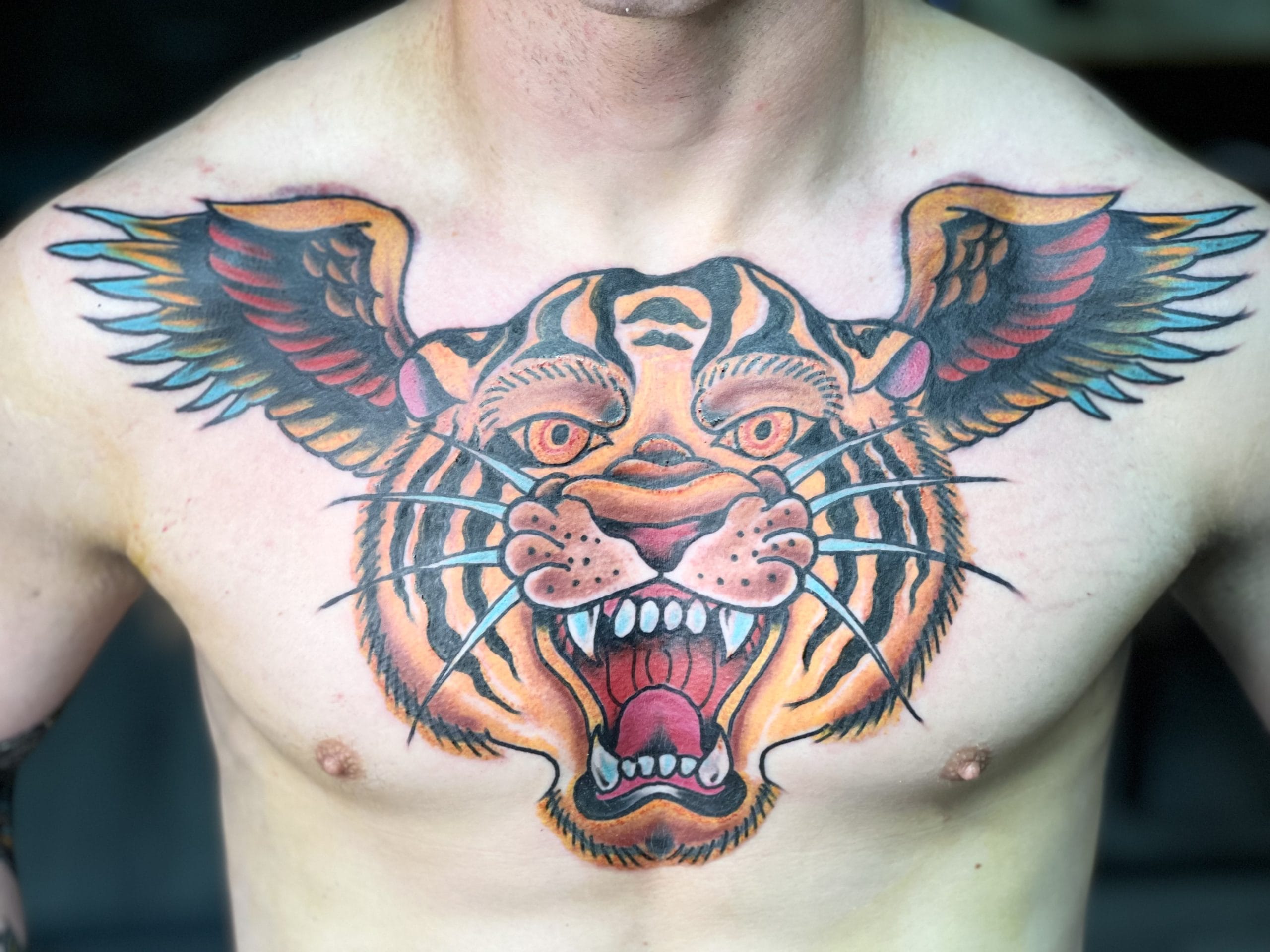
- The Power of Contrast: Strategic use of contrasting colors is a fundamental technique for making elements of a tattoo stand out. For example, placing a bright yellow against a deep purple or a vivid orange next to a cool blue can create a striking visual effect that draws the eye.
- Subtle and Bold Highlights: Highlights are areas of pure white or very light ink that mimic the reflection of light on a surface. The placement and intensity of these highlights are critical. Subtle, well-placed highlights can add a subtle sheen, while bolder highlights can create a dramatic, almost three-dimensional effect.
- Defining Edges and Form: The interplay between color and negative space, or the use of a contrasting outline, helps to define the shapes and forms within a tattoo. This definition prevents the colored areas from appearing indistinct and contributes to the overall clarity and impact of the piece.
The Evolution of Color Tattooing at Funhouse Tattoo
The art of color tattooing is constantly evolving, driven by advancements in ink technology, tattoo machine design, and the growing skill sets of artists. Funhouse Tattoo has consistently remained at the forefront of these developments, ensuring their clients receive contemporary and high-quality color work.
Embracing New Pigment Technologies
- Innovations in Ink Formulation: The tattoo ink industry continues to innovate, with manufacturers developing new pigment formulations that offer enhanced vibrancy, improved flow, and greater resistance to fading. Funhouse Tattoo artists are knowledgeable about these advancements and select inks that align with their commitment to producing durable and visually impressive color tattoos.
- Specialty Inks and Effects: Beyond standard color palettes, there are specialized inks that can achieve unique effects, such as metallic sheens, iridescent shifts, or even fluorescent properties (though these require careful consideration due to potential fading and safety aspects). Artists at Funhouse Tattoo may incorporate these if they align with the artistic vision for a particular piece.
Adapting to Evolving Artistic Trends
- Contemporary Color Palettes: Tattooing trends in color palettes shift, influenced by fine art, design, and popular culture. Funhouse Tattoo artists stay abreast of these trends, integrating fresh approaches to color combinations and saturation levels into their work. This might involve exploring muted, vintage-inspired palettes or embracing hyper-saturated, almost fluorescent hues depending on the client’s desired aesthetic.
- Integration with Diverse Styles: Color tattooing is no longer confined to specific styles. Artists at Funhouse Tattoo demonstrate the ability to apply vibrant color effectively across a wide spectrum of tattoo genres, from delicate watercolor-inspired pieces and bold neotraditional designs to intricate realism and minimalist abstract compositions. Their adaptability ensures a client’s color vision can be realized regardless of the chosen style.
- The Role of Digital Design Tools: While the final application is analog, digital design tools have become instrumental in visualizing and planning complex color tattoos. Artists at Funhouse Tattoo may utilize digital sketching and rendering to preview how different color schemes will interact and to communicate the design effectively with clients before committing to the tattoo. This proactive approach minimizes potential misunderstandings and ensures a precise outcome.
FAQs
What are color tattoos?
Color tattoos are tattoos that use a variety of vibrant colors to create a design on the skin. These tattoos can range from simple designs to intricate, detailed artwork.
What makes a color tattoo “pop”?
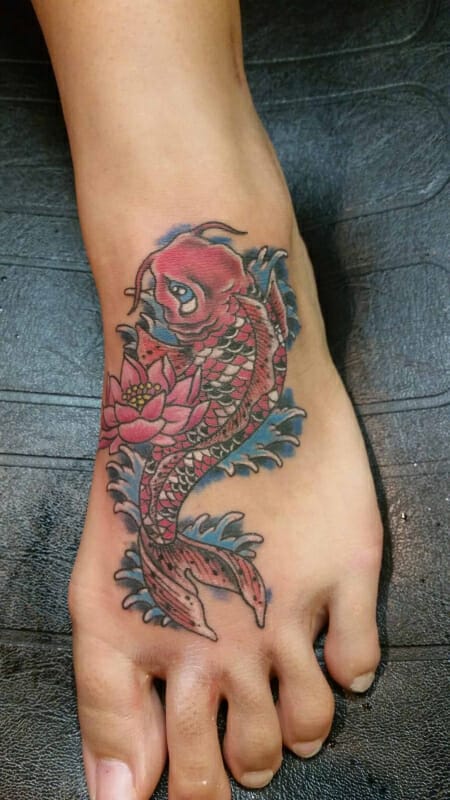
A color tattoo “pops” when the colors are bright, bold, and well-saturated. The contrast between different colors and the use of shading and highlighting techniques can also make a color tattoo stand out.
Where can I find the best color tattoos in San Diego?
San Diego is home to many talented tattoo artists and studios that specialize in color tattoos. Researching and visiting reputable tattoo shops and artists in the area can help you find the best work for your desired design.
How do I choose the right color tattoo artist for me?
When choosing a color tattoo artist, it’s important to look at their portfolio to see if their style aligns with what you’re looking for. Additionally, reading reviews and getting recommendations from friends or family members can help you find the right artist for your needs.
What should I consider before getting a color tattoo?
Before getting a color tattoo, it’s important to consider factors such as the size and placement of the tattoo, the design you want, and the long-term commitment to caring for and maintaining the tattoo. It’s also important to research the potential risks and aftercare for getting a tattoo.