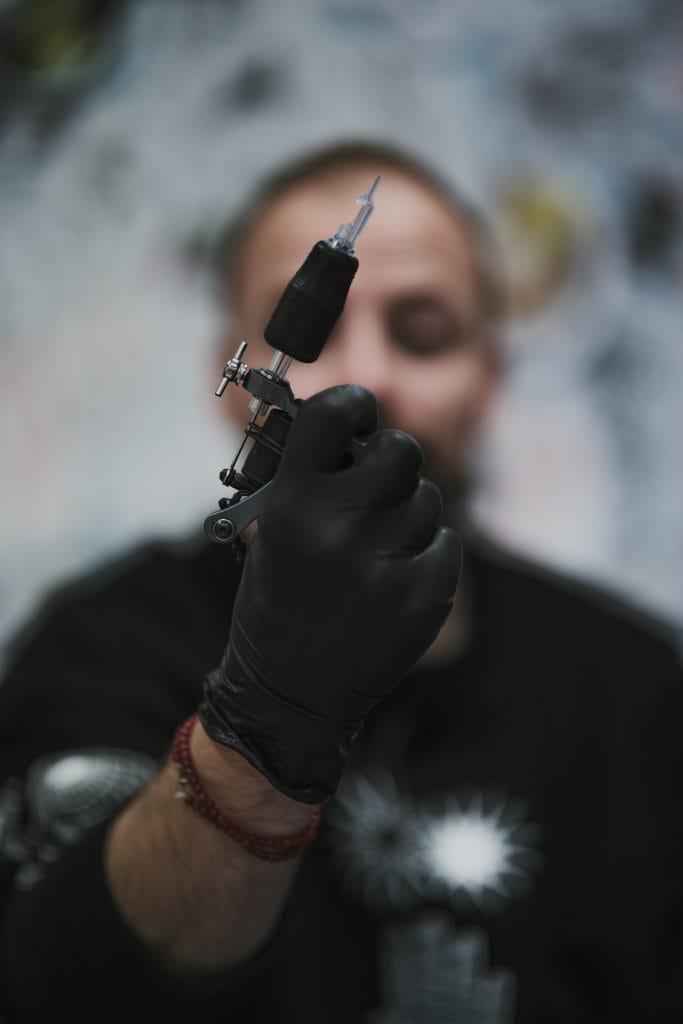
Micro-realism is a captivating and intricate style of tattooing that focuses on creating lifelike images in a remarkably small format. This art form emphasizes fine details, precision, and a deep understanding of anatomy and shading techniques. Artists who specialize in micro-realism often depict portraits, animals, or nature scenes, capturing the essence of their subjects with astonishing accuracy.
The challenge lies not only in the size of the artwork but also in the artist’s ability to convey emotion and depth within a limited space. The appeal of micro-realism lies in its ability to transform the skin into a canvas for miniature masterpieces. Each tattoo tells a story, often evoking personal significance for the wearer.
The meticulous nature of this style requires a steady hand and an eye for detail, making it a true testament to the artist’s skill. As tattoo enthusiasts seek unique and meaningful designs, micro-realism has gained popularity, pushing the boundaries of traditional tattoo art and inviting a new generation to appreciate its beauty.


Key Takeaways
- Micro-realism is a style of art that focuses on creating highly detailed and realistic portraits in small scale.
- Tools and materials for micro-realism portraits include fine-tipped brushes, magnifying glasses, high-quality paper or canvas, and professional-grade colored pencils or paints.
- Techniques for achieving lifelike detail in small spaces involve using a light touch, building up layers of color, and paying close attention to proportions and shading.
- Choosing the right subject for micro-realism portraits is crucial, as intricate details and textures can make a significant impact on the final artwork.
- Tips for creating depth and dimension in micro-realism portraits include using a variety of shading techniques, paying attention to light and shadow, and adding fine details to enhance realism.
Tools and Materials for Micro-Realism Portraits
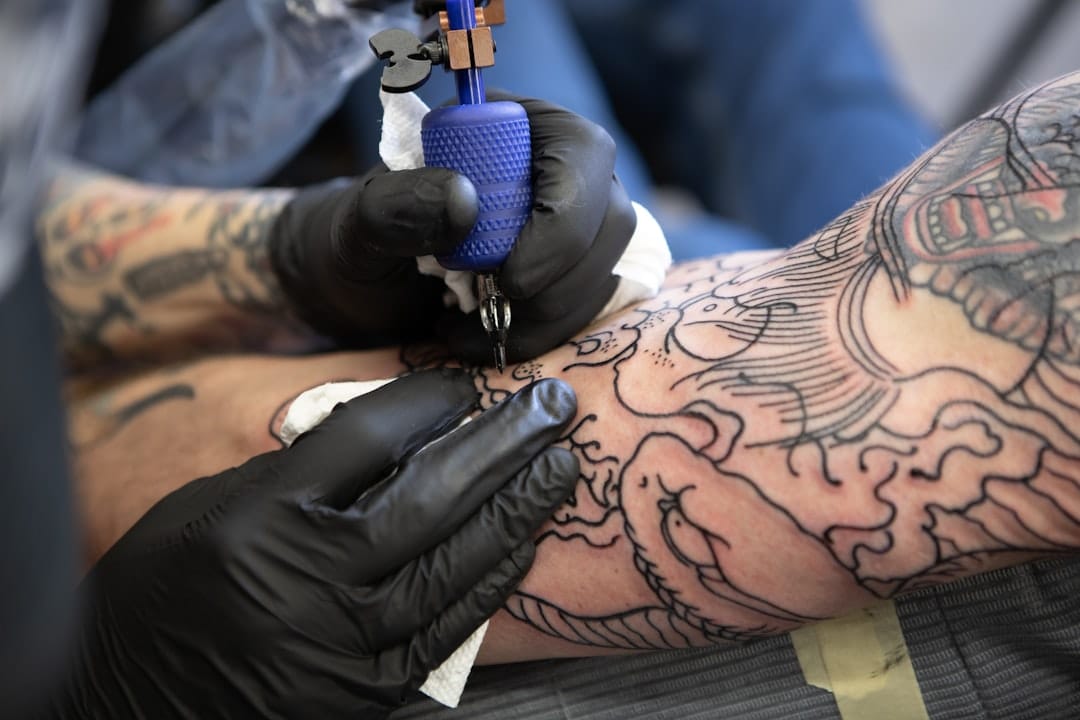
Creating micro-realism tattoos demands a specific set of tools and materials that cater to the intricacies of this art form. Tattoo machines designed for fine line work are essential, as they allow artists to achieve the delicate details that define micro-realism. Many artists prefer rotary machines for their precision and control, while others may opt for coil machines that offer a different feel and response.
Regardless of the choice, the machine must be equipped with appropriate needles, typically finer than those used in traditional tattooing, to ensure clean lines and subtle shading. In addition to the tattoo machine, high-quality inks play a crucial role in achieving vibrant and lasting results. Artists often select pigments that are known for their longevity and ability to retain color over time.
The choice of ink can significantly impact the final appearance of the tattoo, especially in micro-realism where every detail counts. Furthermore, artists may utilize various tools such as magnifying glasses or loupes to enhance their vision while working on intricate designs. These tools help ensure that every stroke is executed with precision, allowing for the creation of stunningly realistic portraits.
 tattoo aftercare or nourishing tattoo balms." class="kb-img wp-image-14570" srcset="https://funhousetattoosd.com/wp-content/uploads/2025/05/close-up-hand-tattooing-819x1024.jpg 819w, https://funhousetattoosd.com/wp-content/uploads/2025/05/close-up-hand-tattooing-240x300.jpg 240w, https://funhousetattoosd.com/wp-content/uploads/2025/05/close-up-hand-tattooing-768x960.jpg 768w, https://funhousetattoosd.com/wp-content/uploads/2025/05/close-up-hand-tattooing-1229x1536.jpg 1229w, https://funhousetattoosd.com/wp-content/uploads/2025/05/close-up-hand-tattooing-1638x2048.jpg 1638w, https://funhousetattoosd.com/wp-content/uploads/2025/05/close-up-hand-tattooing-scaled.jpg 2048w" sizes="auto, (max-width: 819px) 100vw, 819px" />
Techniques for Achieving Lifelike Detail in Small Spaces
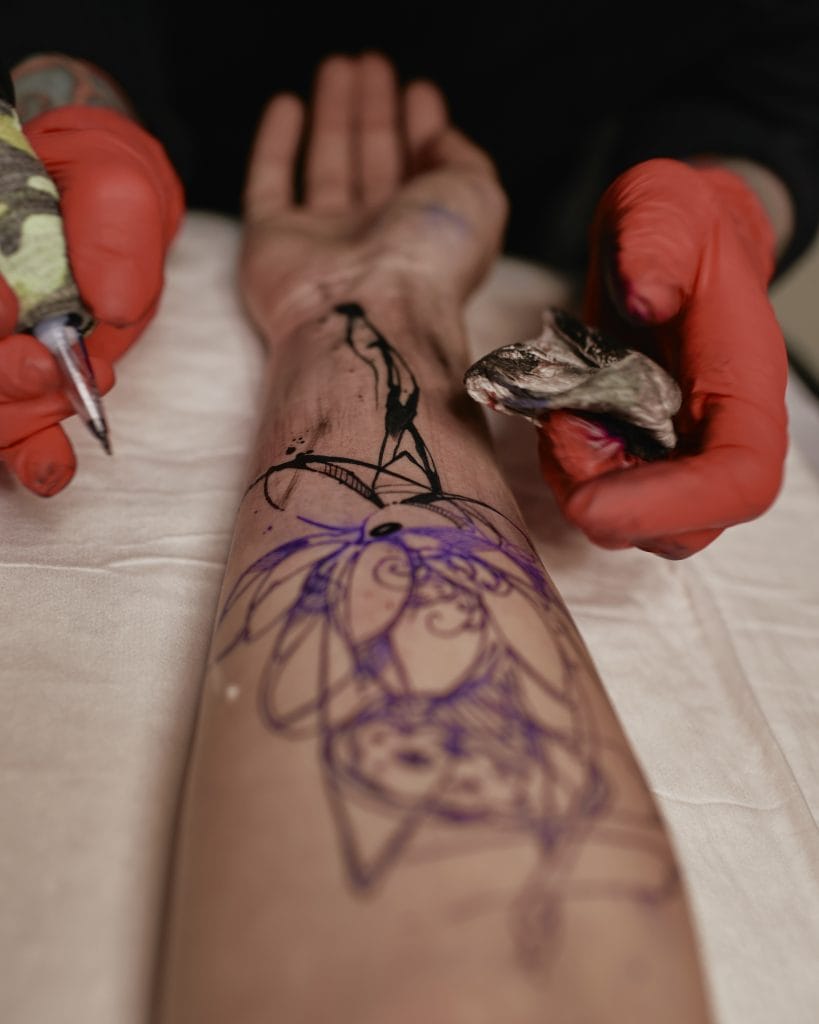
Achieving lifelike detail in micro-realism requires a combination of advanced techniques and a deep understanding of artistic principles. One fundamental technique is layering, where artists build up colors gradually to create depth and dimension. By applying multiple layers of ink, artists can mimic the natural gradients found in skin tones or other surfaces, resulting in a more realistic appearance.
This method allows for subtle transitions between light and shadow, enhancing the overall effect of the tattoo. Another essential technique is stippling, which involves creating texture through small dots or marks. This method can be particularly effective in representing features such as hair or fabric, adding an extra layer of realism to the portrait.
Additionally, artists often employ fine line work to outline key features before filling them in with color or shading. This approach helps maintain clarity and definition within the small space, ensuring that each element of the design stands out while contributing to the overall composition.
Choosing the Right Subject for Micro-Realism Portraits
Selecting the right subject is crucial when embarking on a micro-realism portrait project. The subject should possess distinct features that can be effectively captured within the limited dimensions of a tattoo. Portraits of loved ones, pets, or iconic figures often resonate deeply with clients, making them popular choices for micro-realism tattoos.
The emotional connection to the subject can enhance the overall experience for both the artist and the wearer, resulting in a piece that holds significant meaning. Moreover, it is essential to consider how well the subject’s features translate into a smaller format. Subjects with clear facial structures or unique characteristics tend to work best in micro-realism.
Artists should also take into account the level of detail they can realistically achieve within the chosen size. A well-chosen subject not only showcases the artist’s skills but also ensures that the final piece remains visually striking and impactful.
Tips for Creating Depth and Dimension in Micro-Realism Portraits
Creating depth and dimension in micro-realism portraits is vital for achieving a lifelike appearance. One effective method is to utilize contrasting shades effectively; this involves incorporating both light and dark tones to create highlights and shadows that give the illusion of three-dimensionality. By carefully observing how light interacts with the subject’s features, artists can replicate this effect on skin, enhancing the overall realism of the tattoo.
Another tip is to incorporate background elements that complement the main subject without overwhelming it. Subtle textures or gradients in the background can help frame the portrait while adding depth to the overall composition. Additionally, using negative space strategically can draw attention to key features, allowing them to stand out more prominently.
By balancing these elements thoughtfully, artists can create micro-realism tattoos that not only capture detail but also convey a sense of life and movement.
Common Challenges and How to Overcome Them
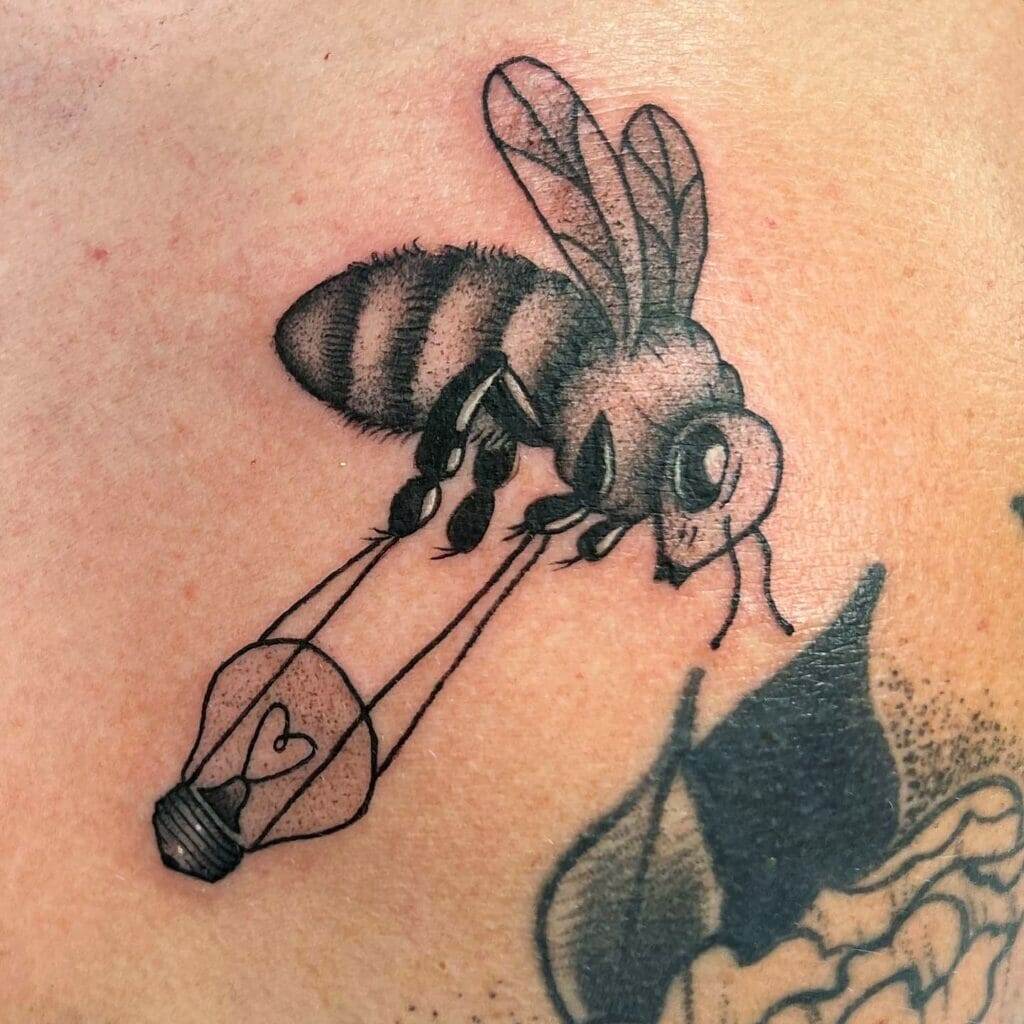
Micro-realism presents several challenges that artists must navigate to achieve successful results. One common issue is maintaining clarity in small details; as tattoos age, fine lines may blur or fade over time. To combat this, artists should focus on using high-quality inks and techniques that promote longevity.
Additionally, selecting appropriate placements on the body can help minimize wear and tear on delicate designs. Another challenge is managing client expectations regarding size and detail. Clients may have specific ideas about what they want but may not fully understand how these concepts translate into a smaller format.
Open communication is essential; artists should educate clients about what is feasible within the constraints of micro-realism while also encouraging them to embrace creative possibilities. By fostering collaboration and understanding, artists can ensure that both parties are satisfied with the final outcome.
The Importance of Lighting in Micro-Realism Portraits
Lighting plays a pivotal role in enhancing micro-realism portraits, both during the tattooing process and in how they are perceived once completed. Proper lighting allows artists to see their work clearly, ensuring that they can accurately assess details and make necessary adjustments as they progress. Natural light is often preferred for its ability to reveal subtle variations in color and texture, helping artists achieve a more realistic representation.
Once completed, lighting continues to influence how micro-realism tattoos are viewed by others. The way light interacts with the ink can highlight certain features while casting shadows that add depth to the design. Artists should consider how their work will be displayed or photographed; optimal lighting conditions can significantly enhance the visual impact of micro-realism tattoos, showcasing their intricate details and lifelike qualities.
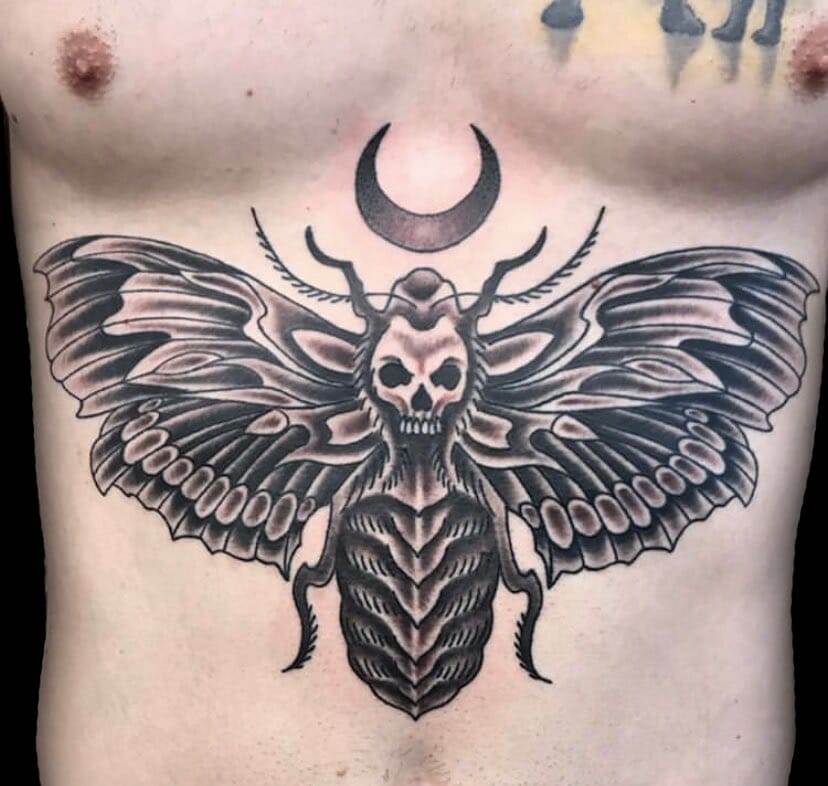
Showcasing Your Micro-Realism Portraits: Exhibitions and Online Platforms
Showcasing micro-realism portraits is essential for artists looking to build their reputation and attract new clients. Participating in exhibitions allows artists to present their work in a professional setting, providing an opportunity for direct engagement with potential clients and fellow artists alike. These events often foster community connections and can lead to collaborations or referrals that benefit an artist’s career.
In addition to physical exhibitions, online platforms have become increasingly important for showcasing artwork in today’s digital age. Social media channels like Instagram provide an accessible way for artists to share their portfolios with a global audience. By posting high-quality images of their micro-realism tattoos along with engaging captions, artists can attract followers who appreciate their unique style.
Furthermore, online galleries or personal websites serve as valuable tools for displaying an artist’s body of work comprehensively, allowing potential clients to explore their offerings at their own pace. In conclusion, micro-realism is an intricate art form that requires skillful execution and thoughtful consideration at every stage of creation. From selecting appropriate tools and materials to overcoming challenges and effectively showcasing completed work, each aspect contributes to the overall success of micro-realism portraits.
As this style continues to gain popularity within the tattoo community, artists at Funhouse Tattoo in San Diego are well-equipped to push boundaries and create stunning pieces that resonate deeply with clients seeking meaningful body art.