



Introduction
Importance of Planning Ahead
Planning ahead for a tattoo is essential not just for securing the design but also for ensuring a positive experience overall. By taking the time to research and prepare, individuals can minimize anxiety and enhance the overall satisfaction with their choice. This foresight lays a solid foundation for a successful tattoo journey, helping to avoid common pitfalls such as last-minute cancellations or regrettable design decisions.

How to Make Your Tattoo Experience Smooth
To ensure a seamless tattoo session, consider the following tips:
- Schedule a Consultation: Meet with the tattoo artist beforehand to discuss ideas.
- Do Your Research: Understand the tattoo style that resonates with you.
- Prepare Physically: Hydrate, eat well, and rest properly leading up to the appointment.
By focusing on these aspects, individuals can approach their tattoo experience with confidence and excitement rather than apprehension.

Researching Your Design
Finding the Right Tattoo Artist
Once you have a clear vision for your tattoo, the next step is to find the right tattoo artist. This is a crucial part of the process, as the quality of the artistry will greatly influence the final outcome. Here are a few tips to guide your search:
- Check Portfolios: Look for artists whose portfolios reflect the style you desire, whether it’s realism, abstract, or tribal.
- Read Reviews: Customer feedback can provide insights into their professionalism and hygiene practices.
- Visit the Studio: A visit can help evaluate the cleanliness and atmosphere, ensuring it meets your comfort levels.

Choosing the Perfect Design
With the right artist in mind, focus on nailing down your design. Consider what resonates with you personally; a meaningful symbol or quote can make all the difference.
- Sketch Ideas: Create rough sketches or gather images that inspire you.
- Consult Your Artist: Collaborate with your tattooist to refine your design, ensuring it’s both unique and feasible.
Investing time in this phase ensures that your tattoo is both visually striking and personally significant.

Preparing Your Body
Proper Hydration and Nutrition
After solidifying your design with the right tattoo artist, it’s time to focus on preparing your body for the session. Proper hydration and nutrition play vital roles in how your body copes during and after the tattoo process.
- Stay Hydrated: Aim to drink plenty of water in the days leading up to your appointment. Hydration helps keep your skin supple and can minimize discomfort.
- Nutrition Matters: Eat a balanced meal before your tattoo. Incorporate proteins, healthy fats, and carbohydrates to fuel your body.

Getting Enough Rest
Equally important is allowing your body to rest. Adequate sleep ensures that you feel your best, both physically and mentally.
- Prioritize Sleep: Get a full night’s sleep the night before your appointment.
- Relax Beforehand: Engage in calming activities, like reading or meditating, to ease any pre-tattoo nerves.
By focusing on these key preparations, you’ll be setting the stage for a more comfortable and enjoyable tattoo experience.

Deciding on Placement and Size
Considering Pain Tolerance
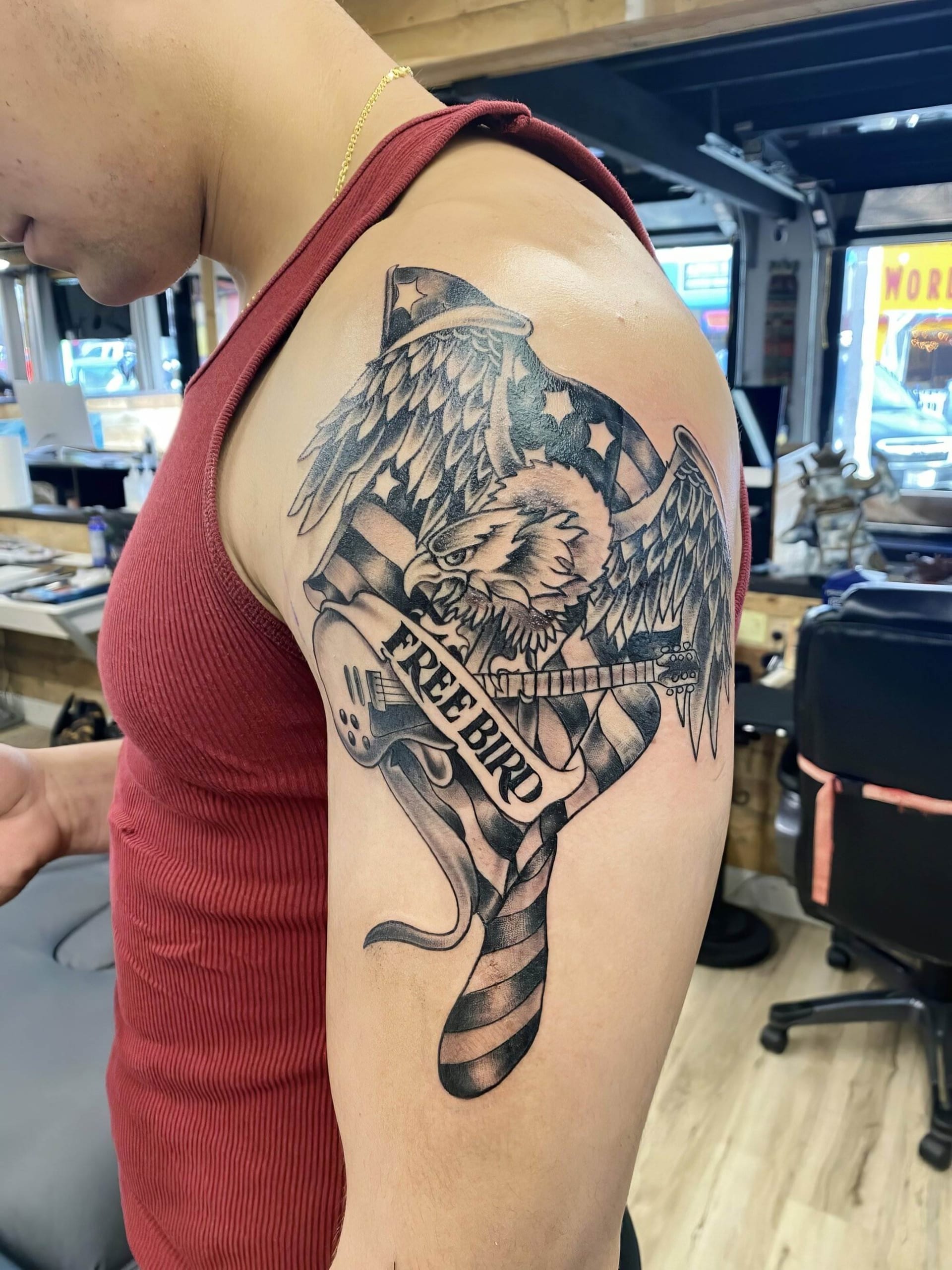
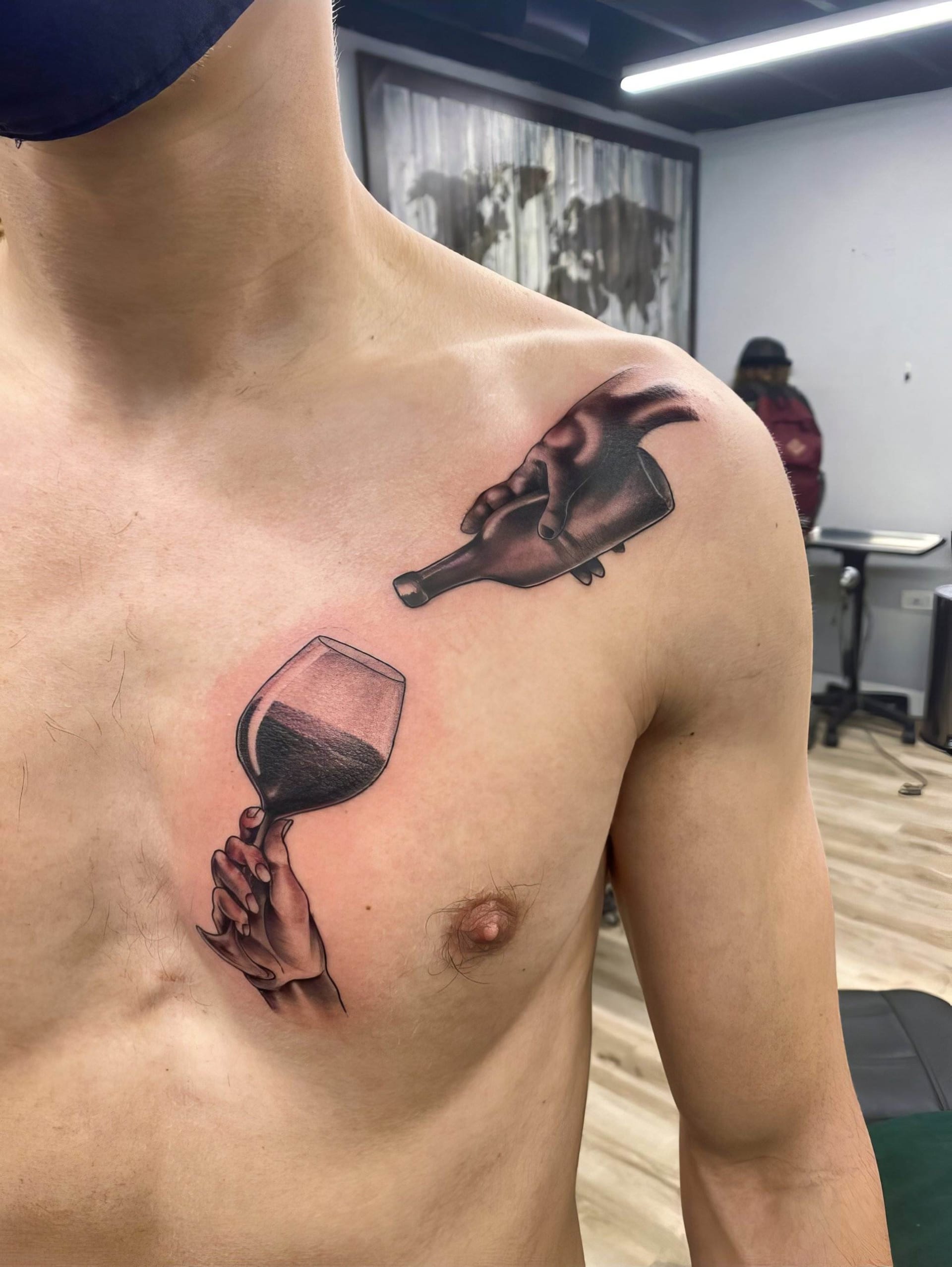
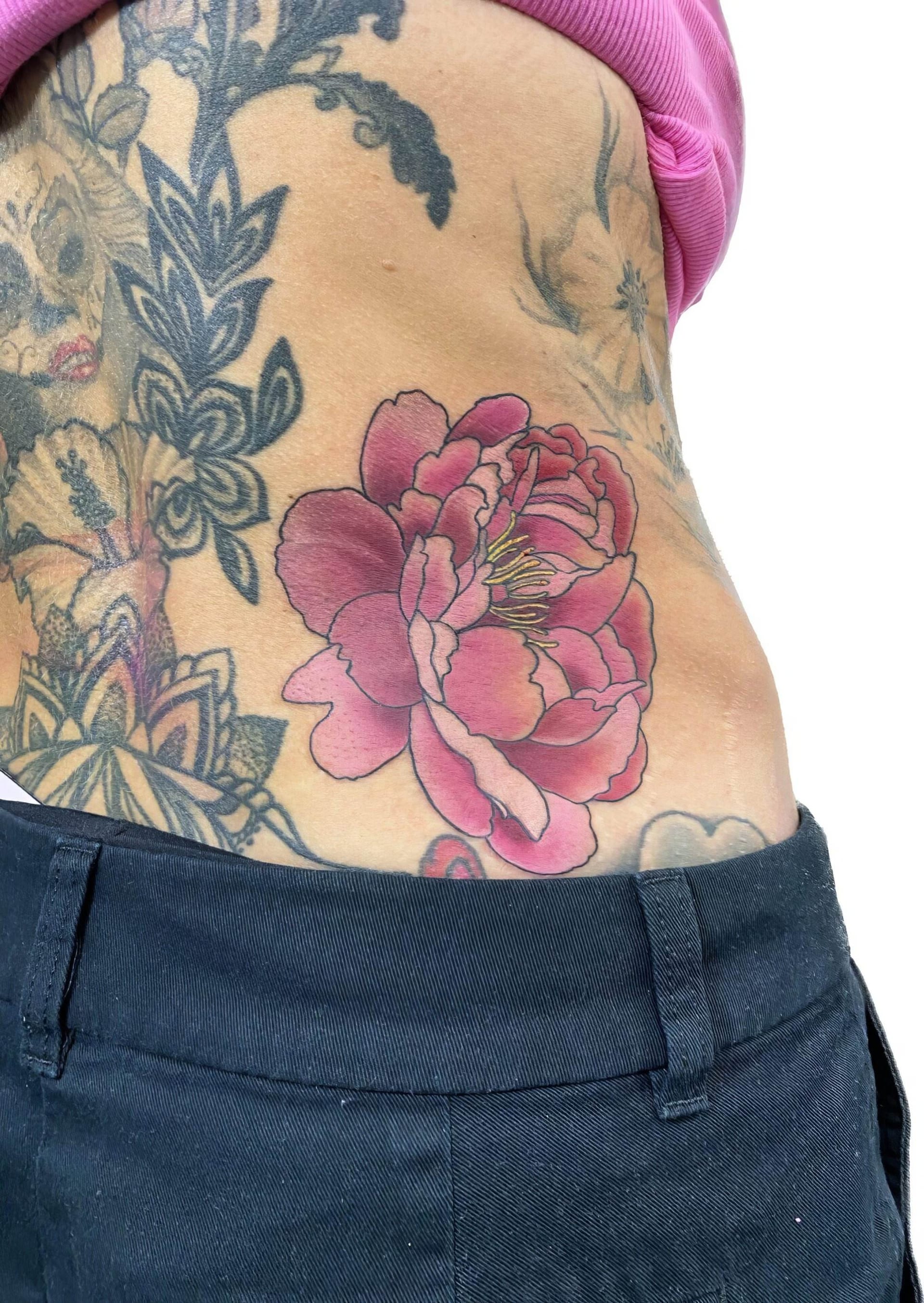
Once you have your design finalized and your body prepared, the next step is deciding on placement and size. This decision is influenced heavily by your individual pain tolerance. Different areas of the body have varying levels of sensitivity.
- Higher Pain Areas: Areas like ribs, spine, or elbows can be more painful due to the proximity of bones and nerves.
- Lower Pain Areas: Fleshier areas such as the outer upper arm or thigh tend to hurt less.

Understanding your pain threshold can help you make a more informed choice.
Ensuring Long-Term Satisfaction
In addition to pain, consider long-term satisfaction.
- Visibility: Reflect on how visible you want the tattoo to be; this is especially important for professional settings.
- Size Matters: Larger tattoos may require more commitment, while smaller ones can be personalized easily later.
By carefully weighing these factors, you can choose a placement and size that aligns with both your comfort and your aesthetic goals.

Managing Your Expectations
Understanding the Tattooing Process
Now that you’ve decided on the placement and size of your tattoo, it’s important to manage your expectations by understanding the tattooing process. It starts with the artist preparing the skin and transferring the design, followed by the application of the tattoo using high-quality needles and vibrant inks.
- Communication: Don’t hesitate to ask your artist questions during the process; keeping an open dialogue can ease anxiety.
- Time Investment: Be prepared for the session to take longer than expected, especially for larger or intricate designs.

Realistic Healing Timeline
Post-tattoo, healing is a critical phase that also requires realistic expectations.
- Initial Healing: Most tattoos take a few weeks to heal on the surface, but deeper layers may take longer.
- Aftercare: Follow your artist’s aftercare instructions diligently to ensure optimal healing and vibrant results.
By being informed about both the process and healing timeline, you can approach your tattoo journey with a sense of realism and preparedness.

Taking Care of Your Skin
Skin Preparation Tips
With a clear understanding of the tattooing process and healing timeline, it’s time to focus on the proper care of your skin before and after getting inked. Proper skin preparation is essential in ensuring that your tattoo looks vibrant and heals well.
- Moisturize: Keep your skin hydrated in the days leading up to your appointment. Use fragrance-free moisturizers to maintain healthy skin.
- Exfoliate: Gentle exfoliation can help remove dead skin cells, making it easier for the tattoo ink to penetrate your skin.

Avoiding Sun Exposure
Another crucial aspect to consider is sun exposure—both before and after your tattoo session.
- Pre-Tattoo: Avoid tanning or excessive sun exposure for at least a week prior to your appointment. Sunburned skin can be painful and affect the tattooing process.
- Post-Tattoo Care: Once you’ve been inked, keep your tattoo covered and out of the sun for a minimum of two weeks to avoid fading and irritation.

By following these skin care tips, you can maximize both the appearance and longevity of your new tattoo.


Packing Your Essentials
Necessary Items to Bring
With your skin prepared and care tips in mind, it’s time to focus on what to pack for your tattoo appointment. Being well-prepared can help enhance your overall experience.
- ID: Always bring a valid form of identification; many tattoo studios require it.
- Water Bottle: Hydrate before and during your session. Staying hydrated can help with comfort.
- Snacks: A light snack can stabilize your energy levels, especially for longer sessions.

What to Wear to Your Appointment
Choosing the right outfit is equally important. Comfort and accessibility should guide your clothing decisions.
- Loose Clothing: Wear something that allows easy access to the area being tattooed. Loose-fitting garments prevent irritation on freshly tattooed skin.
- Avoid White or Light Colors: Tattoos can occasionally leak ink and bodily fluids, so darker clothing is advisable.

By packing the right essentials and dressing appropriately, you set yourself up for a smoother and more enjoyable tattoo experience.
Getting Mentally Prepared
Dealing with Nervousness
As the day of your tattoo appointment approaches, it’s natural to feel some nerves. Managing that nervousness is crucial for a positive experience. Recognizing that many people have similar feelings can be reassuring.

- Talk About It: Share your feelings with friends or family who have experience with tattoos. Their stories may provide comfort and perspective.
- Prepare for the Session: Familiarize yourself with the studio, your artist, and the process to alleviate fear of the unknown.
Relaxation Techniques for a Smooth Session
Implementing simple relaxation techniques can also make a significant difference:

- Deep Breathing: Practice deep, controlled breathing before your appointment. Inhale slowly for a count of four, hold for four, and exhale for four.
- Visualization: Picture yourself in the studio, focused and calm. Imagining a positive outcome can bolster your confidence.
By addressing nervousness and employing relaxation techniques, you’ll set yourself up for a smoother tattoo session.

Communicating with Your Tattoo Artist
Expressing Your Ideas Clearly
With your nerves settled and relaxation techniques in place, effective communication with your tattoo artist becomes the next critical step. Being able to express your ideas clearly ensures that the final outcome aligns with your vision.
- Be Descriptive: When discussing your design, use specific terms and reference images. Articulate what you love about particular elements, be it color, style, or placement.
- Discuss Size and Placement: Clearly express your preferences regarding the tattoo’s size and placement to avoid any misunderstandings.

Asking Questions and Providing Feedback
Don’t hesitate to ask your artist questions throughout the process. This can foster a strong collaborative relationship.
- Inquire About Techniques: Understanding the methods your artist uses can help you feel more involved.
- Provide Constructive Feedback: If something doesn’t feel right, share your thoughts. Good artists appreciate feedback and will want to ensure you’re satisfied.

By fostering open communication, you can create an environment of collaboration and trust, resulting in a tattoo that truly reflects your vision.
Final Preparations
Confirming Your Appointment Details
As you approach the day of your tattoo, final preparations are key to ensuring a seamless experience. Start by confirming your appointment details with the studio.
- Double-Check Timing: Verify the time of your appointment and arrive a little early to fill out any necessary paperwork.
- Artist Confirmation: Make sure you’ll be working with the artist you’ve discussed your design with, to avoid any mix-ups on the day.

Ready for Your Tattoo Experience
Once everything is confirmed, it’s time to get excited! Embrace the anticipation with a positive mindset.
- Mental Readiness: Remind yourself that you’ve done the research and preparation; you are ready for this experience.
- Stay Positive: Bring a friend or someone to support you, if possible. Their presence can enhance the atmosphere and ease any lingering nerves.

With these final preparations in place, you’re all set to embark on your tattoo journey with confidence and enthusiasm.
Conclusion
As you conclude this comprehensive guide to preparing for your tattoo, it’s important to reflect on the journey you’re about to embark on. From researching your design to communicating effectively with your artist, each step plays a crucial role in your tattoo experience.


