



Tattoos have become increasingly popular in recent years, with more and more people choosing to get inked. However, getting a tattoo is not a decision to be taken lightly. It is important to consider various factors before getting a tattoo, including personal values, career implications, and potential health risks.

This article will provide a comprehensive guide on what to consider before getting a tattoo, how to choose the right design and artist, the importance of proper aftercare, understanding the tattooing process, different styles of tattoos to consider, placement and sizing, the significance of symbolism in tattoos, tips for creating a custom design, dealing with tattoo regret and removal options, and embracing your unique tattoo journey.


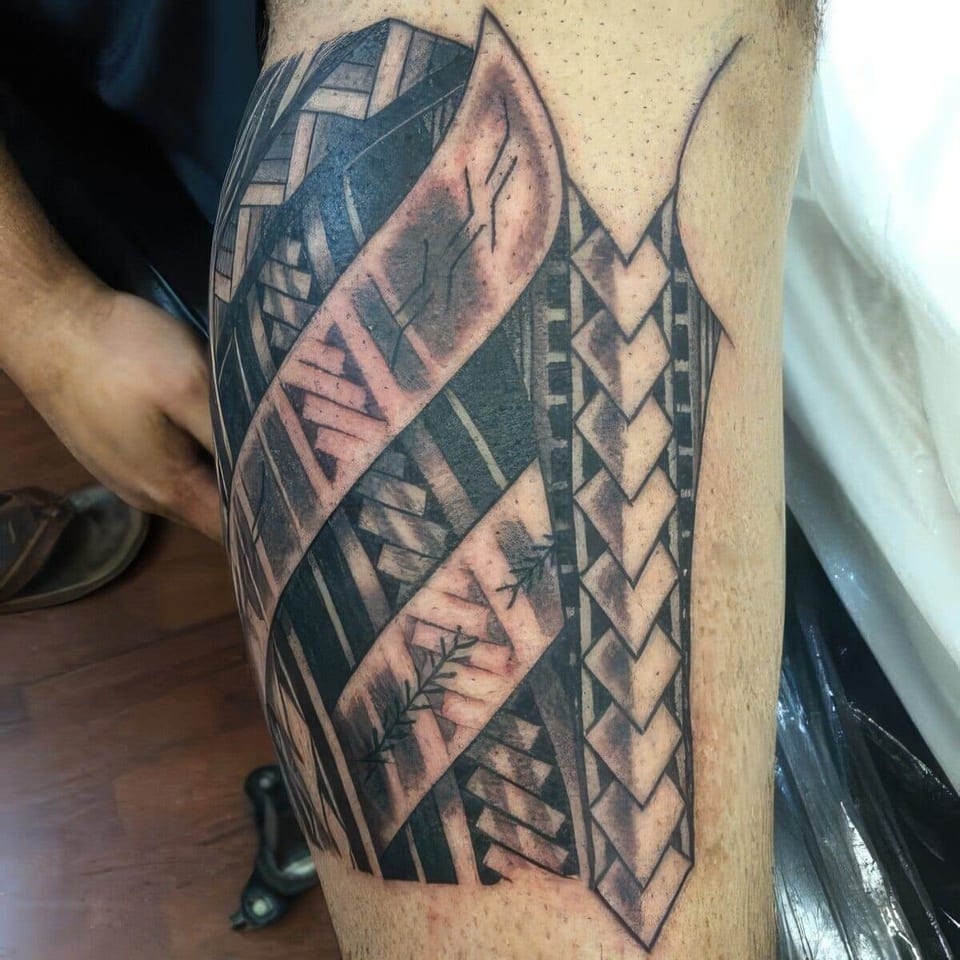
What to Consider Before Getting a Tattoo
Before getting a tattoo, it is crucial to consider various factors that may impact your decision. One of the most important factors to consider is your personal values. Tattoos are permanent and will be with you for the rest of your life, so it is essential to choose a design that aligns with your beliefs and values. Additionally, consider how your tattoo may be perceived by others, especially in professional settings. Some careers may have strict policies regarding visible tattoos, so it is important to think about the potential career implications before getting inked.


Another factor to consider is the potential health risks associated with getting a tattoo. While reputable tattoo studios follow strict hygiene practices, there is still a risk of infection or allergic reactions. It is important to research the studio and artist you choose and ensure they follow proper sterilization procedures. If you have any pre-existing medical conditions or allergies, consult with a healthcare professional before getting a tattoo.

Choosing the Right Design for You
Choosing the right design for your tattoo is crucial as it will be a permanent part of your body. Take the time to research different designs and their meanings to find one that resonates with you. Consider your personality and style when selecting a design. Do you prefer something bold and vibrant or something more subtle and delicate?

Your tattoo should be a reflection of who you are. When researching designs, it is important to look beyond just the aesthetics. Many tattoos have deep symbolism and meaning behind them. Take the time to understand the significance of different symbols and choose one that holds personal meaning for you. This will make your tattoo even more special and meaningful.

The Importance of Proper Tattoo Aftercare
Proper aftercare is essential to ensure that your tattoo heals properly and looks its best. Follow the aftercare instructions provided by your tattoo artist, which may include washing the tattoo gently with mild soap, applying a thin layer of ointment or moisturizer, avoiding direct sunlight, and refraining from picking or scratching at the tattoo. In addition to following the aftercare instructions, there are some general tips for caring for a new tattoo. Keep the tattoo clean and moisturized, avoid swimming or soaking in water for at least two weeks, wear loose clothing to prevent rubbing against the tattoo, and avoid exposing the tattoo to excessive heat or sun.

Understanding the Tattooing Process
Before getting a tattoo, it is important to understand the process involved. Tattooing involves using needles to inject ink into the dermis, the second layer of skin. The needles penetrate the skin at a rapid pace, depositing the ink and creating the design. The process can be uncomfortable or even painful, depending on the individual’s pain tolerance and the location of the tattoo.


Understanding the tattooing process will help you prepare mentally and physically for getting a tattoo. It is important to communicate with your tattoo artist during the process if you are experiencing any discomfort or need a break. They can adjust their technique or take breaks as needed to ensure your comfort.

Different Styles of Tattoos to Consider
There are various styles of tattoos to consider, each with its own unique aesthetic and characteristics. Some popular tattoo styles include traditional, realism, watercolor, blackwork, and geometric. Traditional tattoos are characterized by bold lines, bright colors, and classic designs such as anchors, roses, and skulls. Realism tattoos aim to replicate the appearance of real objects or people, often with intricate details and shading.


Watercolor tattoos mimic the appearance of watercolor paintings, with vibrant colors and flowing brushstrokes. Blackwork tattoos use only black ink and focus on bold, graphic designs. Geometric tattoos feature geometric shapes and patterns, often with precise lines and symmetry. When selecting a tattoo style, consider your personal preferences and the design you have chosen. Some styles may be better suited for certain designs than others. It is also important to choose a style that you will still love years down the line.

Tattoo Placement and Sizing
The placement and size of your tattoo are important considerations that can impact its visibility and potential pain levels. When choosing the placement of your tattoo, think about whether you want it to be visible or easily concealable. Visible tattoos may have different implications in professional settings or social situations. Consider the pain levels associated with different areas of the body when deciding on placement. Areas with thin skin or close proximity to bones may be more painful to tattoo. It is important to discuss your pain tolerance with your tattoo artist and get their input on the best placement for your design.

The Significance of Symbolism in Tattoos
Symbolism plays a significant role in tattoos, as many designs have deep meaning and personal significance. When selecting a design, consider the symbolism behind it and how it aligns with your values and beliefs. Some popular tattoo symbols include anchors, which represent stability and strength, roses, which symbolize love and beauty, and feathers, which represent freedom and spirituality. It is important to research the symbolism behind different designs to ensure that they resonate with you on a personal level. Your tattoo should be a reflection of who you are and what you stand for.

Tips for Creating a Custom Tattoo Design
If you have a specific idea in mind for your tattoo that cannot be found in existing designs, consider working with a tattoo artist to create a custom design. When working on a custom design, it is important to provide clear direction and feedback to the artist. Bring in reference images or sketches to help convey your vision. Be open to the artist’s suggestions and expertise. They may have insights or ideas that can enhance your design. Collaboration between you and the artist is key to creating a custom design that you will love.

Dealing with Tattoo Regret and Removal Options
While tattoos are meant to be permanent, it is not uncommon for people to experience tattoo regret at some point in their lives. If you find yourself regretting a tattoo, there are various options for removal. Laser tattoo removal is the most common method, which involves using laser technology to break down the ink particles in the skin. It is important to note that tattoo removal can be a lengthy and expensive process, and complete removal may not always be possible. Before getting a tattoo, it is important to carefully consider the potential for regret and make informed decisions.

Embracing Your Unique Tattoo Journey
Regardless of the factors to consider before getting a tattoo, it is important to embrace your unique tattoo journey and the personal significance of your tattoos. Each tattoo tells a story and represents a moment in your life. Be proud of your tattoos and the stories they tell. Remember that tattoos are a form of self-expression and should be a reflection of who you are. Embrace the journey of getting inked and the personal growth that comes with it. In conclusion, getting a tattoo is a decision that should not be taken lightly.


It is important to consider various factors before getting a tattoo, including personal values, career implications, and potential health risks. Take the time to choose the right design and artist, follow proper aftercare instructions, understand the tattooing process, consider different styles and symbolism, select the right placement and size, and be prepared for potential tattoo regret. Embrace your unique tattoo journey and the personal significance of your tattoos. Be proud of your tattoos and the stories they tell. Remember that tattoos are a form of self-expression and should be a reflection of who you are.


