



Tattoo Traditions: Authentic Polynesian Tattoo Designs and their cultural significance
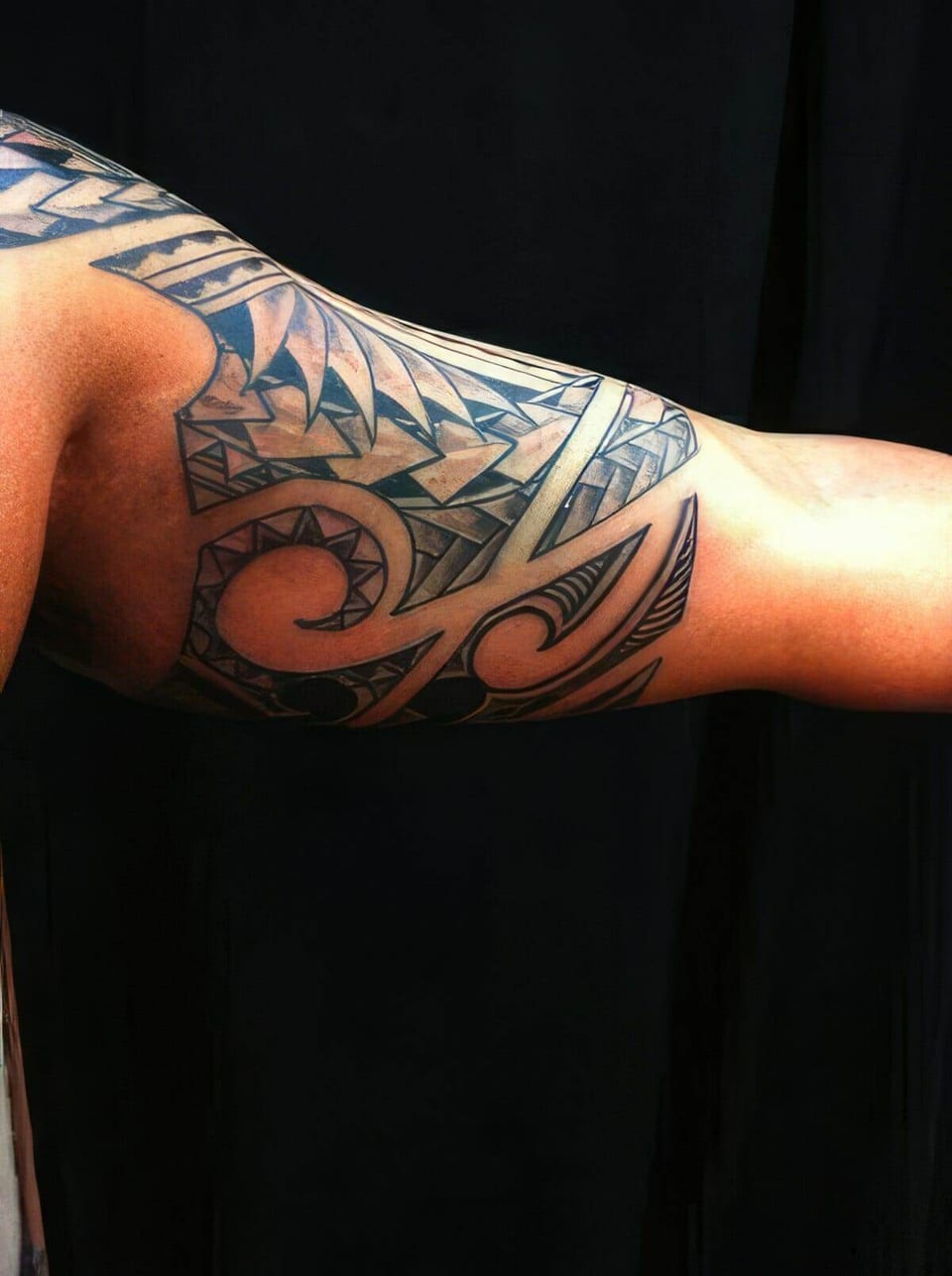
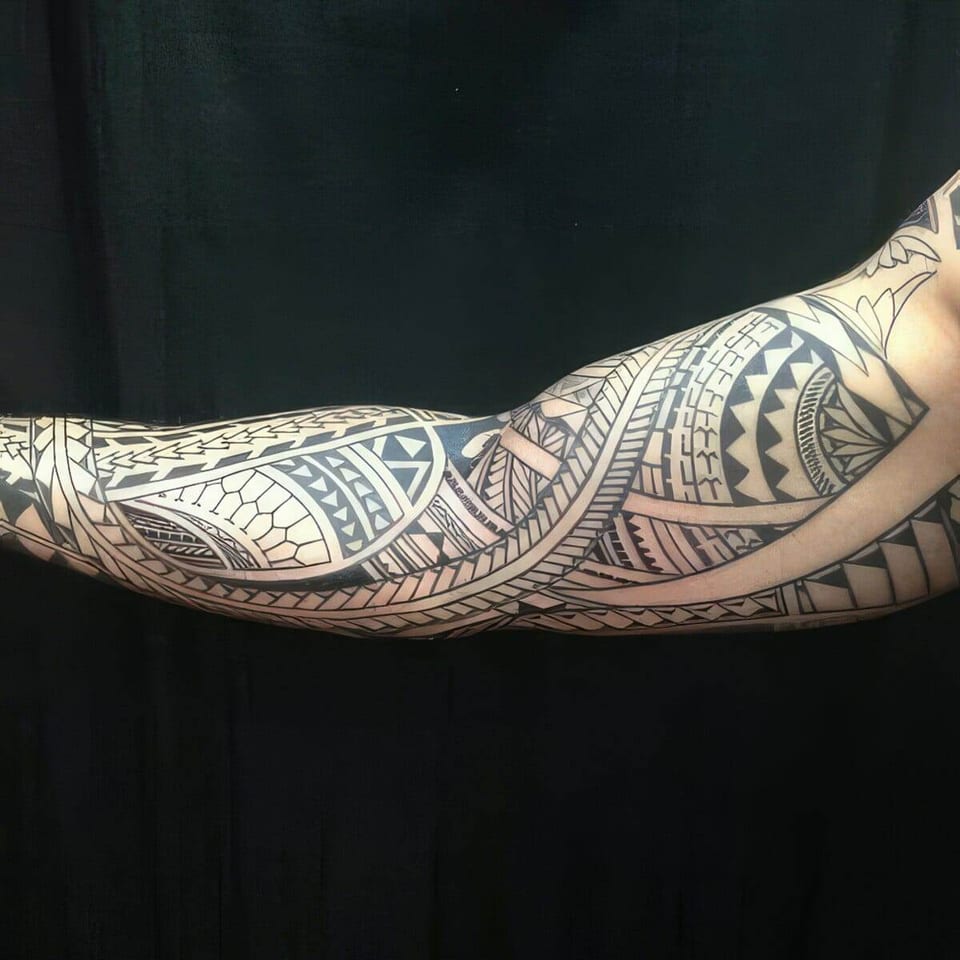
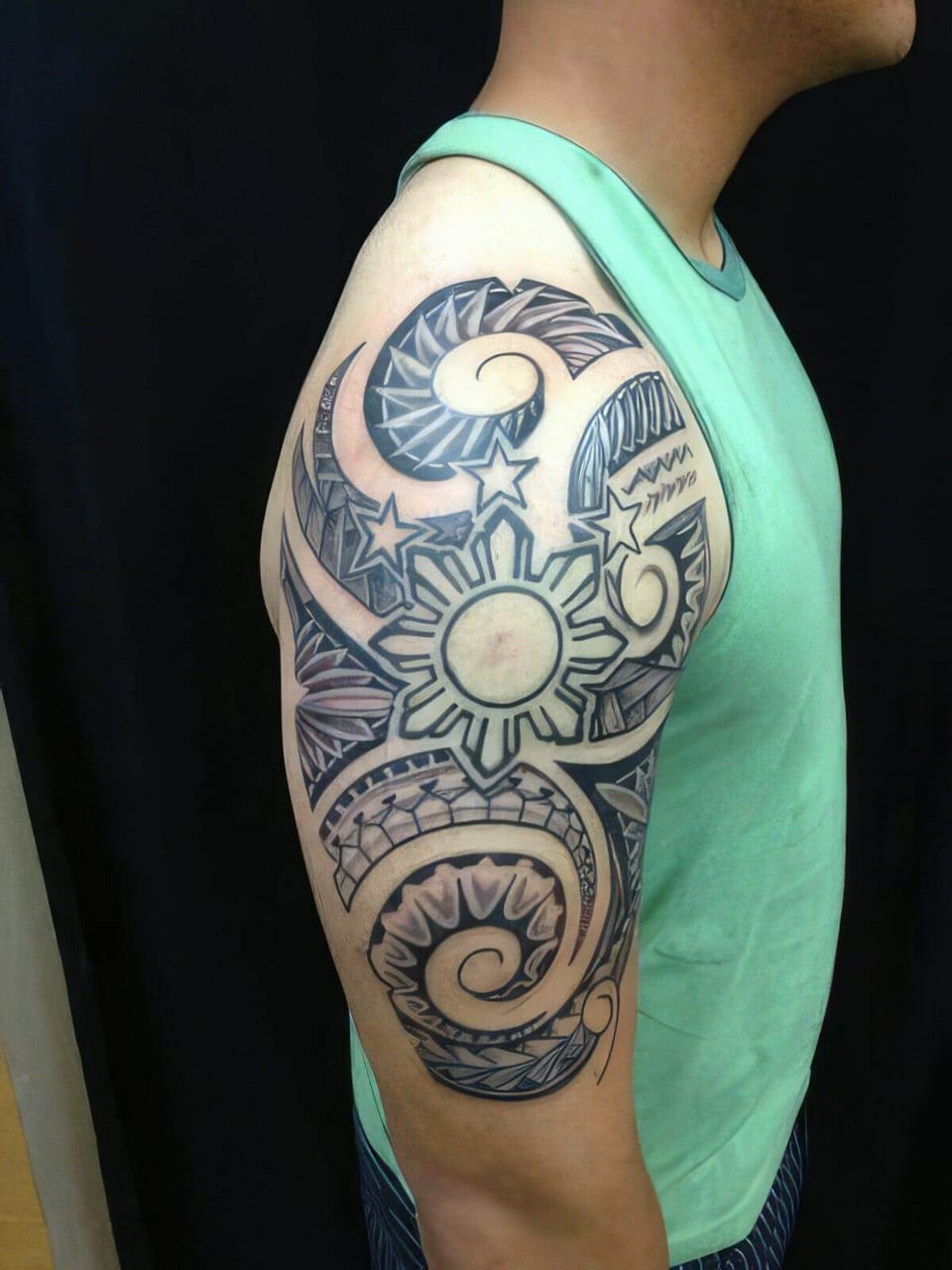
Polynesian tattooing has a rich cultural history and holds a significant place in the Polynesian community. The tattoo designs are not just decorative, but they carry deep meanings and tell the stories of the wearer’s heritage, status, and personal achievements. Polynesian tattoos are known for their intricate patterns, bold lines, and use of symbolic elements. These designs have gained popularity worldwide, but it is important to understand their cultural significance and honor the traditions they originate from.

Tattooing in Polynesian Culture: A Brief History
Tattooing has been a part of Polynesian culture for centuries, with each island group having its unique tattoo traditions. In Polynesia, tattoos were considered a sacred art form, and the process of getting tattooed was seen as a rite of passage. Traditional Polynesian tattoos were hand-tapped using bone or shark tooth tools, and the process was highly ritualistic.

The designs varied across the different island groups, with each one having its distinct patterns and meanings. For example, Samoan tattoos, also known as pe’a for men and malu for women, covered large portions of the body and symbolized social status. Maori tattoos, on the other hand, known as moko, were traditionally carved into the skin using chisels and represented a person’s genealogy and social rank.

Over time, Polynesian tattoos have evolved, but they still hold immense cultural significance. Today, tattoo artists around the world pay homage to these traditions by creating authentic Polynesian designs using traditional techniques and motifs.
In the following sections, we will explore the different elements of authentic Polynesian tattoo designs and their cultural significance. We will delve into the meanings behind various symbols and patterns, as well as discuss the importance of cultural preservation when it comes to getting a Polynesian tattoo.

Stay tuned for our upcoming blog posts where we will dive deeper into the world of Polynesian tattoos and their fascinating cultural heritage.
Samoan Tattoo Designs
Traditional Samoan Tattoo Symbolism and Meanings
Samoan tattoo designs are known for their rich symbolism and deep meanings. Each pattern and symbol used in the tattoos holds significance and tells a story about the wearer’s identity, heritage, and achievements. Here are some examples of traditional Samoan tattoo symbolism:

- Turtles: Represent longevity, strength, and protection.
- Sharks: Symbolize power, courage, and adaptability.
- Waves and ocean: Signify life’s challenges and the ability to navigate through them.
- Spearheads: Represent masculinity, courage, and warrior spirit.
- Geometry: Often used to create intricate patterns and symbolize balance and harmony.

Samoan Tattoo Techniques and Tools
Traditional Samoan tattoos, also known as pe’a for men and malu for women, were hand-tapped using bone or shark tooth tools. This method, known as tātau, was a highly ritualistic process that required great skill and precision. The tools used in tattooing were considered sacred and passed down through generations.

Today, modern tattoo artists specializing in Polynesian tattoos continue to honor the traditional techniques of Samoan tattooing. They use specialized tattoo machines designed to mimic the tapping motion, creating the distinct bold lines and intricate patterns characteristic of Samoan tattoos.
It is important to understand and respect the cultural significance of Samoan tattoo designs. By researching the symbolism and consulting with knowledgeable artists, individuals can ensure their tattoos accurately represent the traditions and meanings behind these timeless designs.

Maori Tattoo Designs
Meaning and Symbolism of Maori Tattoo Patterns
Maori tattoo designs are deeply rooted in the culture and traditions of the indigenous Maori people of New Zealand. These intricate tattoos, known as moko, hold significant meanings and symbolize various aspects of the wearer’s identity and heritage. Here are some examples of the symbolism found in Maori tattoo patterns:
- Koru: Represents new beginnings, growth, and harmony.
- Manaia: Symbolizes guardian spirits and protection.
- Tiki: Represents fertility, creativity, and the first man.
- Enata: Depicts human figures and represents family and relationships.
- Hei-Matau: Symbolizes strength, prosperity, and safe travel over water.

The placement of Maori tattoos on the body also holds significance. For example, the face is considered sacred, and facial tattoos are reserved for those with high social status and achievements.
Traditional Maori Tattooing Rituals and Protocols
Traditional Maori tattooing, or ta moko, is a sacred and highly respected practice that involves much more than just the physical act of tattooing. The process includes rituals, protocols, and deep cultural meanings. Here are some key aspects of traditional Maori tattooing:

- Tapu: The tattooing process is considered tapu, or sacred, and requires a skilled master tattoo artist to perform it.
- Whakapapa: The design of the tattoo is personalized and reflects the wearer’s ancestry and genealogy.
- Pain endurance: Enduring the pain of the tattooing process is seen as a symbol of strength and endurance.
- Spiritual connection: The tattoo artist acts as a medium between the physical and spiritual worlds, connecting the wearer with their ancestors.

Today, Maori tattoos are often created using modern tattoo machines, but many artists still incorporate traditional designs and techniques. It is essential to approach Maori tattoo designs with cultural sensitivity and respect, understanding the significance they hold for the Maori people.
Hawaiian Tattoo Designs

Significance and Symbolism of Hawaiian Tattoo Patterns
Hawaiian tattoo designs have a rich cultural history and carry deep meanings and symbolism for the Hawaiian people. These tattoos, known as kakau, are an important part of Hawaiian identity and heritage. Some examples of the symbolism found in Hawaiian tattoos include:
- Honu: Depicts the Hawaiian sea turtle and symbolizes peace, good luck, and longevity.
- Plumeria: Represents beauty, grace, and positivity. It is often associated with Hawaiian lei, which are flower garlands.
- Makau: Symbolizes strength, prosperity, and abundance. It is inspired by fish hooks and their importance in Hawaiian culture.
- Hula dancer: Represents the art of hula, which is a traditional Hawaiian dance form. It symbolizes grace, passion, and connection to nature.
- Maile leaves: Signify peace, protection, and spirituality. They are often used in lei and other ceremonial items.

The placement of Hawaiian tattoos on the body is also significant. For example, tattoos on the arms and legs represent strength and power, while tattoos on the back represent protection.
Traditional Hawaiian Tattooing Techniques and Styles

Traditional Hawaiian tattooing, or kakau, is a sacred practice that involves specific techniques and styles. These tattoos were traditionally done using hand-tapping, also known as kakau uhi. Today, modern tattoo machines are often used, but some artists still incorporate traditional techniques.
The designs and motifs used in Hawaiian tattoos are inspired by nature, mythology, and ancestral connections. The tattooing process is deeply spiritual and includes rituals such as chanting, prayer, and blessings. The tattoo artist acts as a conduit between the physical and spiritual realms, connecting the wearer with their ancestors.

Some traditional Hawaiian tattoo styles include:
- Kaokao: Features parallel lines that represent strength and protection.
- Uhi: Covers larger areas of the body and often tells a story or reflects the wearer’s personal journey.
- Puhoro: Consists of small dots or lines that symbolize courage and resilience.
It is important to approach Hawaiian tattoo designs with respect for the cultural significance they hold. Understanding the meanings behind these tattoos and consulting with experienced artists can help ensure the appropriate representation of Hawaiian culture and traditions.

Tahitian Tattoo Designs
Meanings and Symbolism of Tahitian Tattoos
Tahitian tattoo designs carry deep cultural significance and are rich in symbolism for the Tahitian people. These tattoos, also known as tatau, have been a part of Tahitian culture for centuries. Here are some examples of the meanings and symbolism found in Tahitian tattoos:
- Enata: This symbol represents the human figure and can symbolize family, unity, and relationships.
- Tiki: The Tiki is a human-like figure and is considered a guardian. It represents protection and strength.
- Manta ray: Symbolizes freedom, elegance, and grace. It is often associated with the ocean and the spiritual connection to nature.
- Taurumi: Represents courage, bravery, and warrior spirit. It symbolizes strength in the face of adversity.
- Ocean waves: Signify the power and beauty of the ocean. They can also represent life’s ups and downs and the constant flow of energy.

Tahitian tattoos are often large and intricately designed, covering large areas of the body. They are usually black inked and can feature intricate patterns and motifs inspired by nature, mythology, and tribal heritage. These tattoos are deeply personal and can tell a story or reflect the wearer’s lineage and personal journey.

Tahitian Tattooing Process: From Design to Completion
The process of getting a Tahitian tattoo involves several steps and is considered a significant cultural event.
- Design: The tattoo artist works closely with the wearer to create a design that reflects their desired symbolism and personal story.
- Stencil: Once the design is finalized, the artist creates a stencil that will be used as a guide for tattoo placement.
- Tools: Traditional Tahitian tattoos were done using bone combs and mallets. However, modern tattoo machines are often used today for efficiency and precision.


- Tattooing: The artist begins the tattooing process, carefully applying the design onto the skin. The process can be painful, and the artist may take breaks to allow for rest and healing.
- Healing: After the tattoo is completed, proper aftercare is essential for the healing process. The wearer must keep the tattoo clean and moisturized to ensure proper healing and to preserve the tattoo’s quality.
Getting a Tahitian tattoo is both a physical and spiritual experience. It is important to approach Tahitian tattoo designs with respect for the cultural significance they hold and to choose experienced artists who understand the traditional techniques and symbolism associated with these tattoos.


