



Introduction
Getting inked at Funhouse Redemption Ink, promises an exceptional tattoo experience from the moment the needle hits the skin. Understanding the healing process is a pivotal part of any tattoo journey.
Overview of the Healing Process of a Tattoo
After the tattoo artist has created your unique piece, the skin starts its healing process which includes three stages: inflammation, growth, and maturation. Initial healing sees the area inflamed, red, and sensitive. The growth phase then involves forming new skin, sometimes accompanied by a scab or mild skin peeling. Finally, over the next few weeks to months, your new tattoo will undergo maturation, where it settles into a permanent form.

Importance of Proper Aftercare
Proper aftercare of your fresh tattoo is vital to this healing process. It includes cleaning the tattoo with gentle soap and warm water, applying a thin layer of an approved healing ointment, and avoiding scratching or picking at the scab. Remember that caring for your tattoo is as important as the tattoo itself!
Drawing to a close, the healing process, as experienced with Funhouse Redemption Ink, is filled with anticipation and enjoyment as you watch your artwork come to life on your skin. The proper aftercare boosts this process, ensuring a bright and vivid tattoo longevity.

Immediate Aftercare
The immediate aftercare is pivotal in the healing process of a tattoo from Funhouse Redemption Ink. It’s much like nurturing a small seedling into a full-fledged, vibrant tree.
Cleaning and Bandaging the Tattoo
After getting a tattoo, the tattoo artist will clean the area with an antibacterial solution and bandage it. This is to protect the fresh tattoo from airborne bacteria and potential irritants. The bandage also works to absorb any residual ink or plasma oozing from the wound. It’s recommended to leave this bandage on for few hours before unveiling your fresh ink.

Moisturizing and Avoiding Irritants
Once the tattoo is unveiled, it’s prudent to clean it gently with lukewarm water and mild soap, taking care to pat it dry – never rub. Applying a thin layer of approved moisturizer helps prevent cracking or scabbing. It’s also important to avoid clothing that might irritate the area, exposure to direct sunlight, and soaking in water for at least two weeks. Doing these helps foster an ideal healing process, steering your tattoo into a vibrant and lasting piece of art.

Early Healing Stages
Getting a tattoo from Funhouse Redemption Ink is an exciting experience, but understanding the healing process is essential. Let’s look at what to expect during the early stages of tattoo healing.
Swelling and Oozing
Swelling is a common response as your body kicks into healing mode. Don’t freak out! A little bit of redness and swelling is normal within the first few days post-tattoo. You may also notice some oozing as the body discharges plasma to help protect the tattooed area. Keeping the tattoo clean during this period is crucial; a gentle clean with soap and water works well.

Itching and Peeling
After a few days, the tattooed area will start to dry out and may become itchy. This is a sign of your skin healing. It’s crucial not to scratch the area; instead, apply a moisturizer to soothe the itch. You may also notice that the skin starts to peel much like a sunburn – again, this is normal and a part of the healing process. Remember, each tattooed area is a piece of art; proper care ensures it stays vibrant and fresh!

Signs of Proper Healing
Getting a tattoo from Funhouse Redemption Ink is an exciting experience, but understanding the healing process is essential. Knowing what to expect during the early stages of tattoo healing can help ensure proper care and maintenance. Here, we will explore the expected timeline for healing and the signs of a healthy color and texture for your tattoo.
Expected Timeline for Healing
After getting a tattoo, it’s normal for the tattooed area to go through various stages of healing. Here’s a general timeline to expect:
- Swelling and Oozing (First few days): Swelling and redness are common as your body begins the healing process. Some oozing may occur as the body discharges plasma to protect the tattoo. Gently clean the tattoo with soap and water during this period.
- Itching and Peeling (a few days in): The tattooed area may start to dry out and become itchy. It’s important not to scratch the area; instead, apply a moisturizer to soothe the itch. Peeling of the skin, similar to a sunburn, is normal and part of the healing process.


- Settling and Fading (the weeks that follow): The tattoo will start to settle and the initial brightness may fade. This is when the skin is repairing itself, and the tattoo may appear slightly hazy. It’s crucial to avoid direct sunlight and chlorinated water during this period.
- Final Healing: By this time, most of the scabbing and peeling should have subsided. The tattoo will still require regular moisturizing to maintain its appearance and prevent it from drying out.

Healthy Color and Texture of the Tattoo
During the healing process, it’s essential to monitor your tattoo for signs of healthy healing. Here’s what to look for:
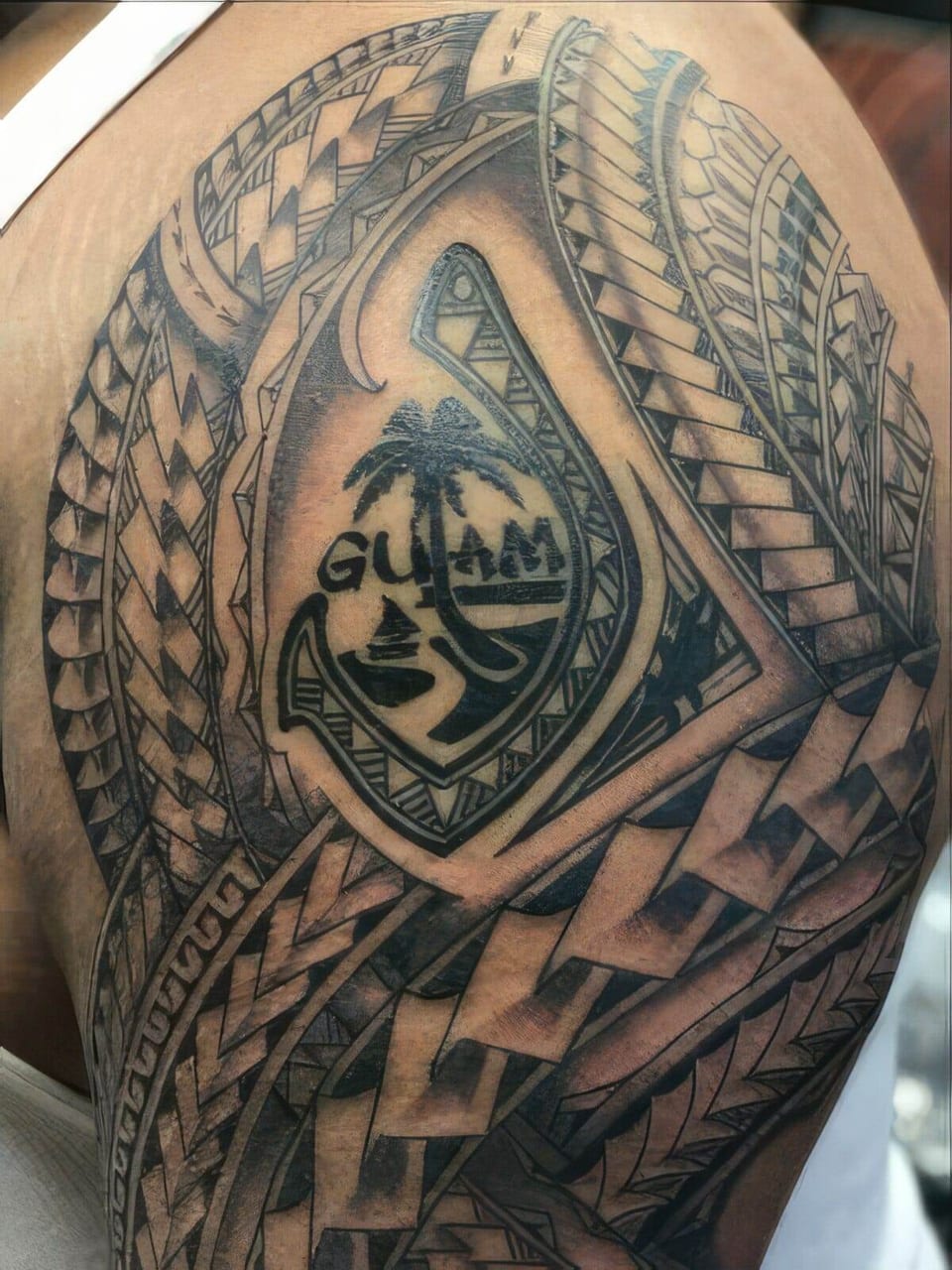
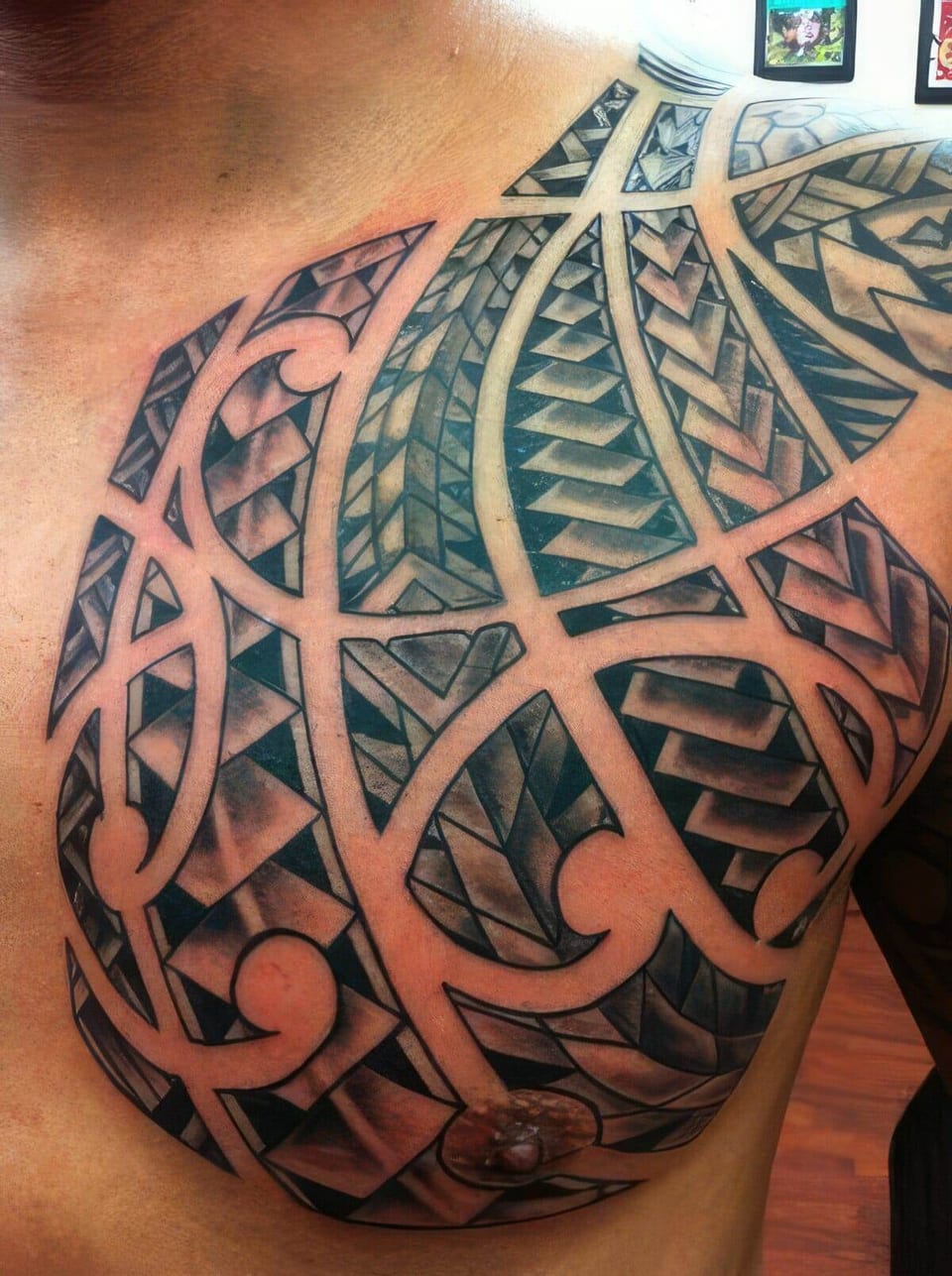
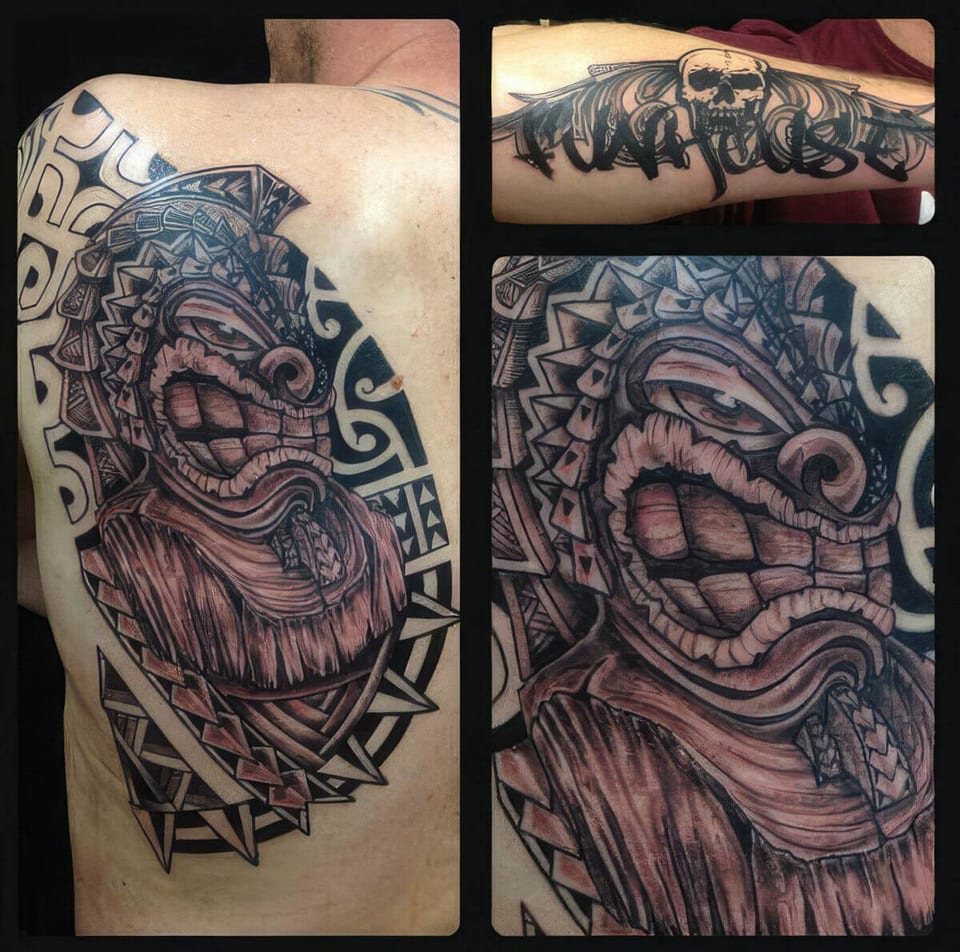
- Vibrant Colors: A properly healing tattoo will retain its vibrancy, with colors appearing saturated and well-defined. If the colors appear dull or washed out, it may indicate poor healing or improper aftercare.
- Smooth Texture: As the healing process progresses, the tattoo should develop a smooth surface. Any rough or raised areas may indicate an infection or other issues and should be evaluated by a professional.
- No Inflammation or Discharge: As the weeks go by, the tattooed area should show no signs of inflammation, such as redness, excessive swelling, or discharge. If you notice any of these signs, it’s important to seek advice from your tattoo artist or a healthcare professional.

Remember, every individual’s healing process may vary slightly, so it’s crucial to follow the aftercare instructions provided by Funhouse Redemption Ink and consult with them if you have any concerns. With proper care and attention, your tattoo will heal beautifully, leaving you with a lasting piece of art to enjoy.

Signs of Complications
Redness, puffiness, or increased pain
During the healing process of a tattoo from Funhouse Redemption Ink, it is normal to experience some redness, puffiness, and mild discomfort. However, if these symptoms worsen over time or if there is extreme redness, significant swelling, or increased pain, it could indicate an infection or other complications. In such cases, it is important to seek immediate medical attention or consult with your tattoo artist for guidance.

Fluid or pus oozing from the tattoo
While some oozing of plasma is normal during the initial stages of healing, the presence of excessive fluid or pus oozing from the tattoo can be a sign of infection. If you notice yellow or green discharge, an unpleasant odor, or the tattoo feels hot to the touch, it is crucial to seek medical help. Ignoring these signs can lead to further complications and may require additional treatment.

Remember, everyone’s healing process can vary, but it is important to monitor any changes or unusual symptoms closely. Proper aftercare and following the instructions provided by Funhouse Redemption Ink are essential for a successful healing process. If you have any concerns or questions, do not hesitate to reach out to your tattoo artist for guidance and advice.

Long-Term Healing
Dull appearance during the first month
During the healing process of a tattoo from Funhouse Redemption Ink, it is common for the tattoo to appear dull or faded. This is because the outer layer of skin, known as the epidermis, undergoes a natural exfoliation process. As the skin regenerates, the vibrant colors and intricate details of the tattoo can become less pronounced. It is important to note that this dull appearance is temporary and part of the healing process.

Achieving the permanent vibrant color
To achieve the permanent vibrant color of your tattoo, it is essential to follow the proper aftercare instructions provided by Funhouse Redemption Ink. This includes keeping the tattoo clean and moisturized, avoiding direct sunlight and excessive exposure to water, and refraining from picking or scratching the tattooed area.
Additionally, it is crucial to be patient during the healing process. The final result of your tattoo may take several months to fully develop. As the layers of skin heal and settle, the colors will become more vibrant and the intricate details will become more defined.

Remember, every tattoo and individual healing process is unique. If you have any concerns or questions about the healing process of your tattoo, don’t hesitate to reach out to your tattoo artist for guidance and advice.
Tattoo-Specific Considerations
Extra care for tattoos in certain body areas
When it comes to the healing process of a tattoo, certain body areas require extra attention. These areas include the hands, fingers, feet, ankles, and other areas with a high degree of movement or that are prone to rubbing against clothing or footwear. To ensure proper healing and prevent potential damage, it is important to follow these guidelines:
- Protect the tattoo: Cover the tattoo with a sterile bandage or dressing, especially during activities that may expose it to excessive friction or irritation.
- Avoid tight clothing and footwear: Tight clothing and shoes can rub against the tattoo, causing discomfort and potentially damaging the healing skin. Opt for loose, breathable clothing and shoes that won’t agitate the tattooed area.

Avoiding friction and potential damage
During the healing process, it is crucial to avoid any activities that may cause friction or potential damage to the tattooed area. Here are some tips to keep in mind:
- Avoid excessive sweating: Sweating can cause the tattoo to become moist, which may hinder the healing process. Avoid activities that induce excessive sweating, such as intense workouts or spending prolonged periods in hot and humid environments.
- Minimize sun exposure: Direct sunlight can fade and damage the tattoo. Protect the tattooed area by wearing clothing that covers it or applying a broad-spectrum sunscreen with a high SPF.
- Avoid swimming: Immersion in water, such as swimming pools, hot tubs, or natural bodies of water, should be avoided during the initial healing period. The chemicals, bacteria, and other contaminants present in water can irritate the tattoo and increase the risk of infection.

By paying special attention to these tattoo-specific considerations and following the aftercare instructions provided by Funhouse Redemption Ink, you can ensure a smooth healing process and achieve the vibrant and long-lasting result you desire. Remember, if you have any concerns or questions, don’t hesitate to consult your tattoo artist for guidance and support.

Conclusion
When getting a tattoo, it is important to understand the healing process and take proper care of the tattooed area to ensure the best results. Funhouse Redemption Ink provides helpful aftercare instructions to guide you through the healing phase. By following these guidelines, you can ensure that your tattoo heals properly and maintains its vibrancy for years to come.

Summary of the Tattoo Healing Process
After getting a tattoo, it is normal for the area to feel tender and sensitive. Proper aftercare is essential to prevent infection and promote healing. Here are the key steps in the tattoo healing process:
- Protect the tattoo: Cover the tattoo with a sterile bandage or dressing, especially during activities that may expose it to friction or irritation.
- Avoid tight clothing and footwear: Tight clothing and shoes can rub against the tattoo and cause discomfort or damage the healing skin. Opt for loose, breathable clothing and shoes.
- Avoid excessive sweating: Sweating can hinder the healing process, so avoid activities that induce excessive sweating until the tattoo is fully healed.


- Minimize sun exposure: Direct sunlight can fade and damage the tattoo. Protect the tattooed area with clothing or sunscreen with a high SPF.
- Avoid swimming: Immersion in water, including swimming pools, hot tubs, or natural bodies of water, should be avoided during the initial healing period.
Importance of Following Aftercare Instructions
Following the aftercare instructions provided by Funhouse Redemption Ink is crucial for a successful healing process. These instructions are tailored to ensure the best outcome for your tattoo. Ignoring or neglecting aftercare guidelines can increase the risk of infection, color loss, and blurred lines. By following the instructions, you can achieve the vibrant and long-lasting result you desire.

Remember, if you have any concerns or questions during the healing process, it is important to consult your tattoo artist for guidance and support. With proper care and attention, you can enjoy your new tattoo for years to come.


