



Polynesian tattooing has a rich and ancient history that dates back thousands of years. It is believed to have originated in the islands of Polynesia, which include Samoa, Tonga, Tahiti, and Hawaii. Tattooing played a significant role in Polynesian culture, serving as a form of self-expression, cultural identification, and spiritual protection.

Tattooing in Polynesian culture was not just a decorative art form; it held deep cultural and spiritual significance. Tattoos were seen as a rite of passage and were often used to mark important milestones in a person’s life, such as reaching adulthood or achieving warrior status. They were also believed to provide protection and strength to the wearer.
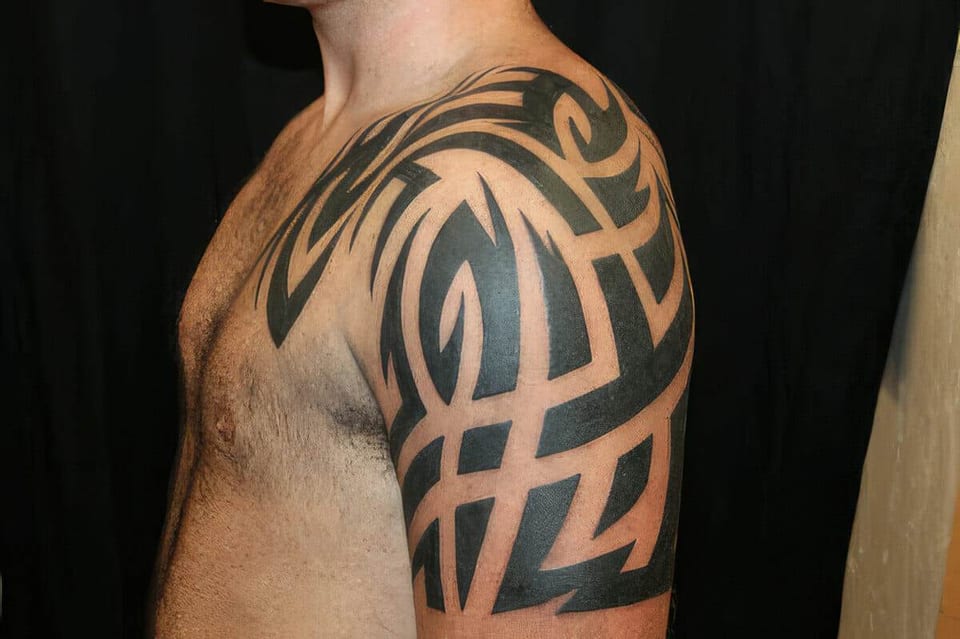
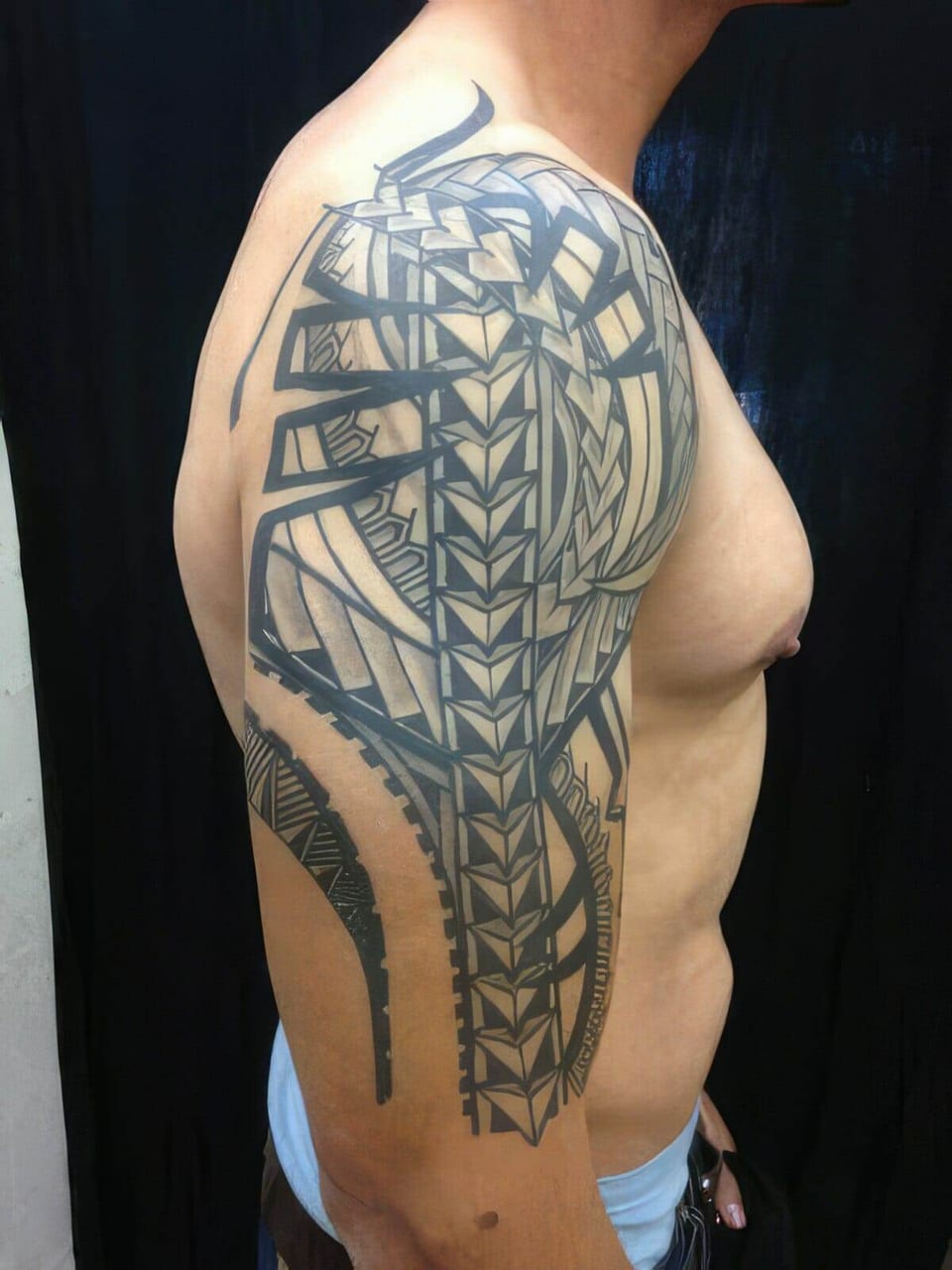
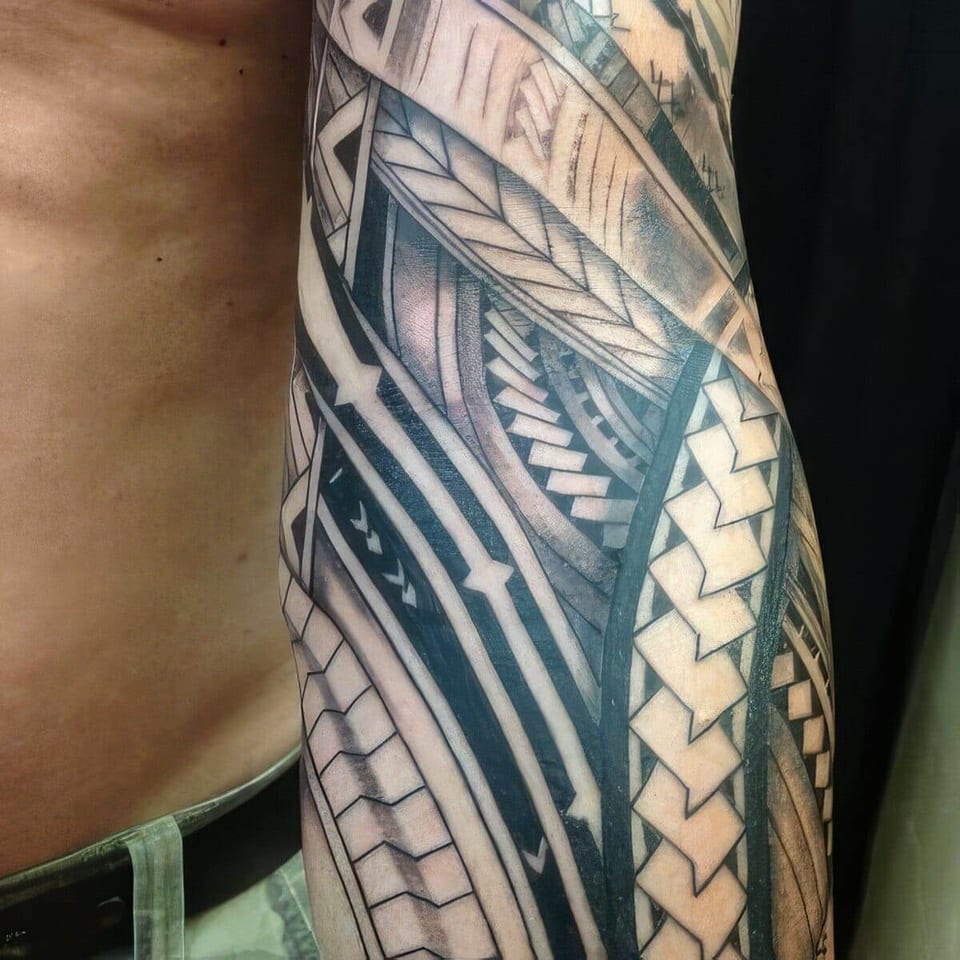
Understanding the Symbolism and Meaning Behind Polynesian Tattoos
Polynesian tattoos are known for their intricate designs and powerful symbolism. Each symbol used in Polynesian tattooing has its own unique meaning and significance. For example, the turtle symbolizes fertility, longevity, and protection, while the shark represents strength, adaptability, and power. It is important to understand the meaning behind each symbol before getting a Polynesian tattoo. This ensures that the tattoo accurately represents the wearer’s intentions and beliefs. It also helps to avoid cultural appropriation or misinterpretation of the symbols.

The Role of Tattooing in Polynesian Culture and Tradition
Tattooing has always played a significant role in Polynesian culture and tradition. It was not only a form of self-expression but also a way to honor one’s ancestors and connect with their spiritual beliefs. Tattooing was seen as a sacred art form that required skill, knowledge, and respect. In Polynesian society, tattoo artists held a revered position. They were highly skilled craftsmen who were responsible for creating intricate designs that reflected the wearer’s identity and cultural heritage. Tattooing was often done in a communal setting, with family and friends gathering to support and witness the process.

The Different Styles and Techniques of Polynesian Tattooing

Polynesian tattooing encompasses a variety of styles and techniques, each with its own distinct characteristics. The three main styles are Samoan, Maori, and Hawaiian. Samoan tattoos, also known as pe’a for men and malu for women, are characterized by bold, geometric designs that cover large areas of the body. These tattoos are traditionally done using a comb-like tool called an au, which is dipped in ink and tapped into the skin using a mallet.


Maori tattoos, known as moko, are intricate facial tattoos that are unique to each individual. They are created using chisels and ink made from natural pigments. Maori tattoos often tell a person’s life story and represent their genealogy and social status. Hawaiian tattoos, known as uhi, feature flowing lines and organic shapes that are inspired by nature. These tattoos are typically done using traditional hand-tapping techniques or modern tattoo machines.

The Significance of Placement and Design in Polynesian Tattoos
In Polynesian tattooing, the placement and design of the tattoo hold great significance. Different body parts have different meanings and associations in Polynesian culture. For example, tattoos on the face were reserved for high-ranking individuals or those who had achieved great feats. Tattoos on the arms symbolized strength and power, while tattoos on the legs represented fertility and connection to the land.


The design of the tattoo also carries meaning. For example, spirals represent new beginnings and growth, while triangles symbolize balance and harmony. It is important to consider both the placement and design of a Polynesian tattoo to ensure that it accurately represents the wearer’s intentions and beliefs.

The Spiritual and Healing Properties of Polynesian Tattooing
Polynesian tattooing is not just a form of self-expression; it also holds spiritual and healing properties. In Polynesian culture, tattoos were believed to provide protection, strength, and guidance to the wearer. Tattoos were seen as a way to connect with one’s ancestors and spiritual beliefs. They were believed to serve as a form of spiritual armor, protecting the wearer from harm and negative energies. In addition to their spiritual properties, tattoos were also believed to have healing properties. They were used to treat various ailments and promote physical and emotional well-being. Tattoos were seen as a way to restore balance and harmony within the body and mind.

The Evolution of Polynesian Tattooing in Modern Society
In modern society, Polynesian tattooing has evolved from its traditional roots. While traditional techniques and designs are still practiced, there has been a growing influence of contemporary styles and techniques. Polynesian tattoos have gained popularity outside of Polynesian culture, with people from all over the world embracing this ancient art form. This has led to a fusion of traditional and modern styles, creating unique and innovative designs.


However, it is important to approach Polynesian tattooing with respect and understanding. Cultural appropriation is a concern, as the significance and meaning behind Polynesian tattoos can be easily misunderstood or misinterpreted. It is crucial to educate oneself and seek out knowledgeable artists who can create authentic designs that honor and respect Polynesian culture and traditions.

The Controversies Surrounding Polynesian Tattooing and Cultural Appropriation
The growing popularity of Polynesian tattoos outside of Polynesian culture has sparked controversies surrounding cultural appropriation. Cultural appropriation refers to the adoption or use of elements from another culture without understanding or respecting their significance. Polynesian tattooing is deeply rooted in the culture and traditions of the Polynesian people.


It is important to approach this art form with respect and understanding, acknowledging its origins and significance. It is crucial to educate oneself about the symbolism and meaning behind Polynesian tattoos before getting one. This helps to avoid misinterpretation or appropriation of the symbols. It is also important to support and uplift Polynesian artists and communities, ensuring that they are given credit for their cultural contributions.

The Personal Journey of Self-Expression Through Polynesian Tattooing
For many individuals, getting a Polynesian tattoo is a personal journey of self-expression and identity. Tattoos can be a powerful way to connect with one’s heritage, express one’s beliefs, or commemorate significant life events. Polynesian tattoos offer a unique opportunity for individuals to explore their cultural roots and connect with their ancestors. They can serve as a visual representation of one’s identity, beliefs, and values. Tattoos can also be a form of self-empowerment and self-discovery. They allow individuals to reclaim their bodies and express themselves in a way that feels authentic and meaningful.

Embracing the Beauty and Significance of Polynesian Tattooing
Polynesian tattooing is a beautiful and significant art form that holds deep cultural and spiritual meaning. It is important to approach this ancient tradition with respect, understanding, and appreciation for its origins and significance. By educating oneself about the symbolism and meaning behind Polynesian tattoos, choosing the right tattoo artist, and embracing the personal journey of self-expression, individuals can honor and respect Polynesian culture and traditions.


Polynesian tattooing is not just a trend or fashion statement; it is a powerful form of self-expression and cultural identification. By embracing the beauty and significance of Polynesian tattooing, we can contribute to the preservation and respect of this ancient art form.


