



Polynesian tattooing is a unique and ancient art form that has been practiced for centuries in the islands of the Pacific. It is a cultural tradition that holds deep significance and meaning for the Polynesian people, serving as a way to express identity, social status, and spirituality. The art of Polynesian tattooing is characterized by intricate designs and symbols that are rich in cultural heritage and symbolism.


In this article, we will explore the significance of Polynesian tattoos in culture and traditions, the origins and history of this art form, the different styles and meanings of Polynesian tattoos, their role in society and identity, their spiritual and mystical symbolism, their importance in tribal warfare and rituals, their evolution in modern times, the controversies surrounding their appropriation in Western culture, and the future of Polynesian tattooing as a cultural tradition.
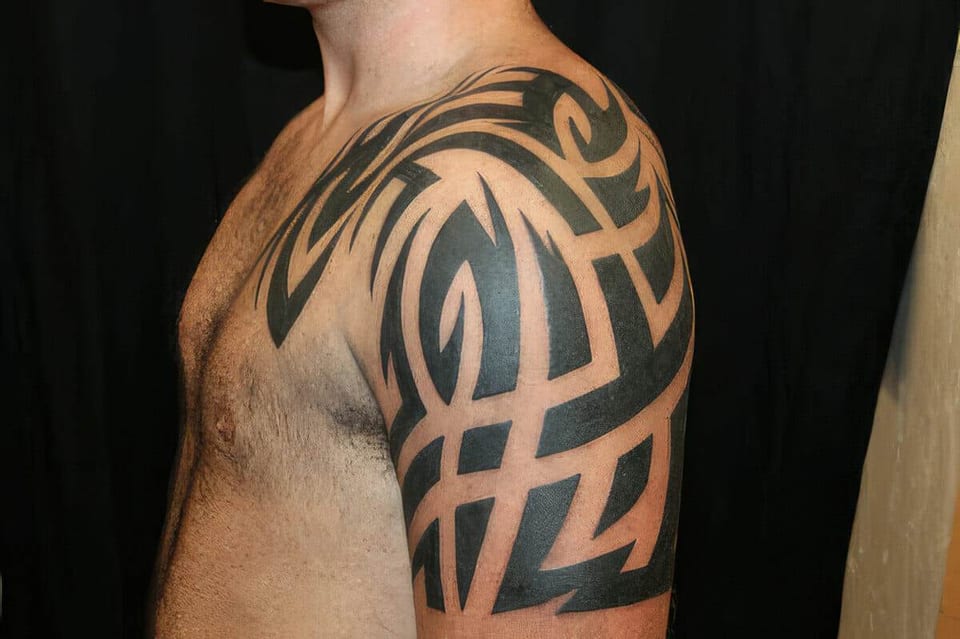
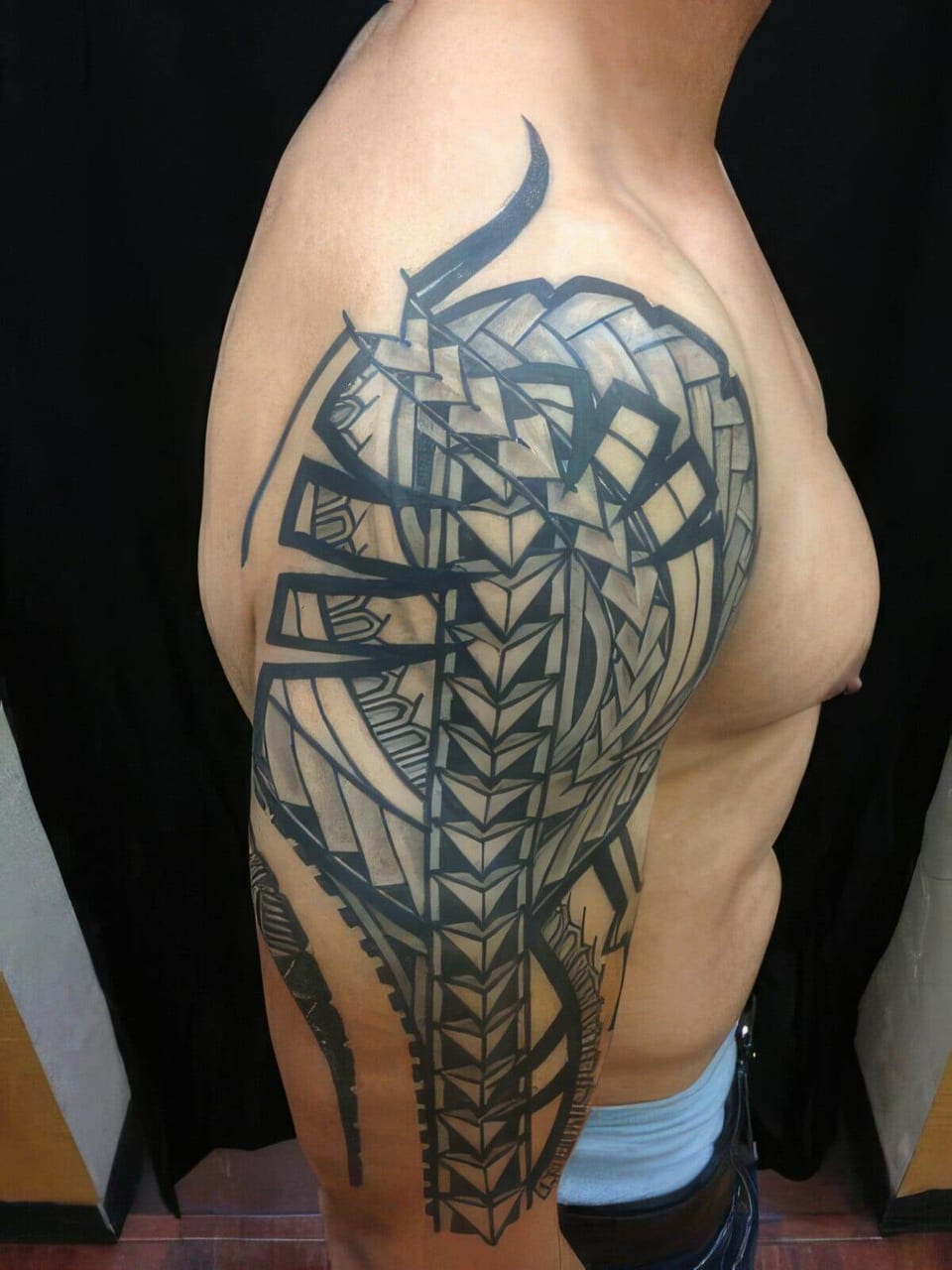
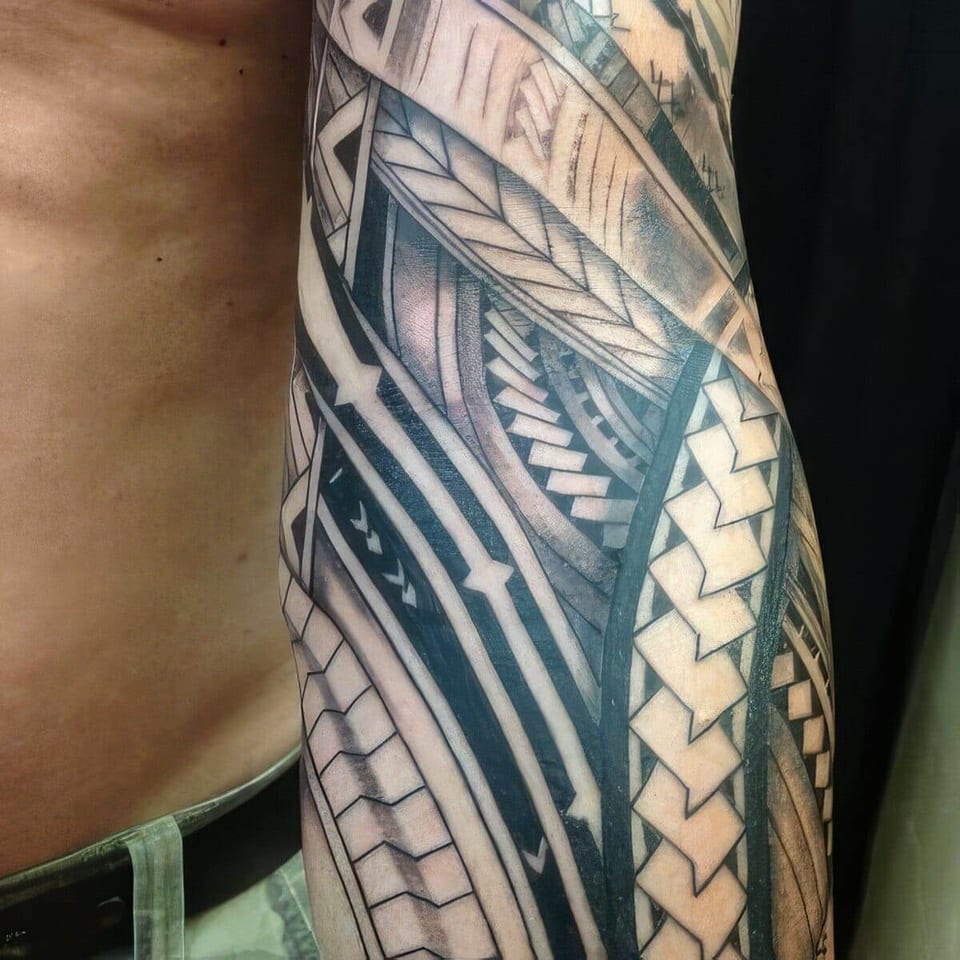
The Significance of Polynesian Tattoos in Culture and Traditions
Tattoos have always held a special place in Polynesian culture and traditions. They are not just decorative body art; they are deeply rooted in the cultural identity of the Polynesian people. Tattoos serve as a way to express one’s heritage, beliefs, and social status. They are seen as a form of personal adornment that reflects one’s connection to their ancestors and their place within their community.


In Polynesian societies, tattoos are often seen as a rite of passage. They mark important milestones in a person’s life, such as reaching adulthood or achieving a certain level of social status. The process of getting a tattoo is often accompanied by rituals and ceremonies that involve the entire community. It is a communal experience that strengthens social bonds and reinforces cultural values.

The Origins of Polynesian Tattooing: A Brief History
The art of Polynesian tattooing has a long history that dates back thousands of years. It is believed to have originated in the islands of Polynesia, which include Samoa, Tonga, Tahiti, and Hawaii. The exact origins of Polynesian tattooing are still a subject of debate among scholars, but it is widely believed to have been brought to the islands by the Austronesian people who migrated to the region thousands of years ago.


Tattooing was practiced in different ways in different Polynesian societies. In Samoa, for example, tattooing was primarily done by men and was seen as a symbol of strength and masculinity. In contrast, in Tahiti, tattooing was practiced by both men and women and was seen as a form of beauty and adornment.

The Different Styles of Polynesian Tattoos and Their Meanings

Polynesian tattoos are known for their intricate designs and symbols. Each design has its own unique meaning and significance. There are several different styles of Polynesian tattoos, including Samoan, Maori, and Hawaiian. Samoan tattoos, also known as pe’a for men and malu for women, are characterized by bold lines and geometric patterns. They often cover large areas of the body, such as the chest, back, and thighs. Samoan tattoos are traditionally done using a hand-tapping method, where the artist uses a small mallet to tap the ink into the skin.


Maori tattoos, also known as moko, are characterized by curved lines and spirals. They often cover the face and body and are used to tell the story of a person’s ancestry and achievements. Maori tattoos are traditionally done using chisels made from bone or shell. Hawaiian tattoos, also known as uhi, are characterized by flowing lines and natural motifs. They often depict elements of nature, such as waves, flowers, and animals. Hawaiian tattoos are traditionally done using a hand-tapping method, similar to Samoan tattoos.

The Role of Tattooing in Polynesian Society and Identity
Tattooing played a significant role in Polynesian society and identity. It was not just a form of personal adornment; it was a way to express one’s social status, achievements, and connections to their ancestors. Tattoos were often seen as a mark of bravery and strength, and they were used to intimidate enemies in tribal warfare.

In addition to marking important life events and milestones, tattoos also served as a form of identification. They helped to distinguish members of different tribes and clans, and they were used to show allegiance to a particular group. Tattoos were also used as a form of protection, as it was believed that they had the power to ward off evil spirits and bring good luck.

The Spiritual and Mystical Symbolism of Polynesian Tattoos
Polynesian tattoos are not just decorative; they are deeply spiritual and mystical. Each design and symbol has its own unique meaning and symbolism. For example, the turtle symbolizes longevity and fertility, while the shark represents strength and protection. Tattoos were believed to have protective and healing powers. They were seen as a way to connect with the spiritual world and receive guidance from ancestors. It was believed that the tattooing process itself was a spiritual journey, where the person receiving the tattoo would be transformed and empowered.

The Importance of Polynesian Tattoos in Tribal Warfare and Rituals
Tattoos played a crucial role in tribal warfare and rituals in Polynesian societies. They were used to intimidate enemies and show allegiance to a particular tribe or clan. Warriors would often have tattoos on their faces or bodies as a way to display their bravery and strength. Tattoos were also used in rituals and ceremonies that marked important life events, such as birth, marriage, and death. They were seen as a way to connect with the spiritual world and receive blessings from ancestors. The tattooing process itself was often accompanied by rituals and ceremonies that involved the entire community.

The Evolution of Polynesian Tattoos in Modern Times
In modern times, Polynesian tattoos have evolved and become more mainstream. They are no longer limited to Polynesian communities; they have gained popularity around the world. Polynesian tattoo designs are now commonly seen in tattoo parlors and on the bodies of people from different cultural backgrounds. The popularity of Polynesian tattoos in Western culture can be attributed to several factors. One is the increased interest in tribal and indigenous cultures, as people seek to reconnect with their roots and express their individuality. Another factor is the influence of popular culture, such as movies, music, and sports, which often feature Polynesian-inspired tattoos.

The Controversies Surrounding Polynesian Tattooing in Western Culture
The increasing popularity of Polynesian tattoos in Western culture has also sparked controversy. Some Polynesians feel that their cultural heritage is being exploited for profit, as non-Polynesians appropriate their traditional designs without understanding their cultural significance. There is also concern that the commercialization of Polynesian tattoos has led to a loss of authenticity and cultural integrity. Traditional tattooing methods and techniques are being replaced by modern tattoo machines, and traditional designs are being altered or simplified to appeal to a wider audience.

The Future of Polynesian Tattooing: Preservation and Innovation
Despite the controversies surrounding the appropriation of Polynesian tattoos, there is still hope for the future of this art form. Many Polynesians are working to preserve and promote their cultural heritage through tattooing. They are educating others about the significance of traditional designs and symbols, and they are encouraging people to seek out authentic Polynesian tattoo artists.


At the same time, there is room for innovation and modernization within the art of Polynesian tattooing. Artists are finding new ways to incorporate traditional designs and symbols into contemporary tattoo styles. They are also experimenting with new techniques and materials to create unique and personalized tattoos.

The Enduring Legacy of Polynesian Tattoos
In conclusion, Polynesian tattoos are not just a form of body art; they are a cultural tradition that holds deep significance and meaning for the Polynesian people. They are a way to express identity, social status, and spirituality. Polynesian tattoos have a long history that dates back thousands of years, and they have evolved and adapted over time. The art of Polynesian tattooing is characterized by intricate designs and symbols that are rich in cultural heritage and symbolism. Tattoos played a significant role in Polynesian society and identity, marking important life events and milestones.


They were believed to have protective and healing powers, and they were used in tribal warfare and rituals. In modern times, Polynesian tattoos have gained popularity around the world. While this has sparked controversy, there is still hope for the future of this art form. Many Polynesians are working to preserve and promote their cultural heritage through tattooing, while also embracing innovation and modernization. The enduring legacy of Polynesian tattoos as an art form and cultural tradition is a testament to their significance and importance in the world today.


