



Polynesian tattooing is an ancient art form that holds deep cultural significance in Polynesian societies. These tattoos are not just decorative, but they serve as a visual language that tells the story of one’s identity and social status. The history of Polynesian tattooing dates back thousands of years, and the techniques and tools used have been passed down through generations. However, with the modernization of society, there is a risk of losing these traditional tattooing practices. It is crucial to preserve and protect this cultural heritage to ensure that future generations can continue to appreciate and understand the significance of Polynesian tattooing.

Understanding the Significance of Polynesian Tattooing in Culture
In Polynesian societies, tattoos hold immense cultural importance. They are seen as a rite of passage and a way to connect with one’s ancestors. Tattoos in Polynesia are not just a form of self-expression, but they also serve as a way to communicate one’s identity and social status within the community. Each tattoo design has its own symbolism and meaning, representing different aspects of life such as family, spirituality, and personal achievements.


Tattoos in Polynesian culture are also seen as a form of protection. They are believed to ward off evil spirits and bring good luck. The process of getting a tattoo is seen as a spiritual journey, with rituals and ceremonies performed before, during, and after the tattooing process. This connection between tattoos and spirituality further emphasizes their cultural significance.

The Historical Roots of Polynesian Tattooing Techniques
The history of Polynesian tattooing can be traced back thousands of years. It is believed to have originated in the islands of Samoa and Tonga, spreading throughout the Polynesian triangle which includes Hawaii, New Zealand, and Tahiti. Traditional Polynesian tattoos were done using handmade tools made from bone or wood, with the ink made from natural materials such as plant dyes or soot.


The techniques used in Polynesian tattooing are intricate and require great skill. The tattoo artist would use a comb-like tool called a “au,” which is made from bone or turtle shell, to tap the ink into the skin. This process is known as “tatau” and can be quite painful, as the ink is applied by repeatedly tapping the tool into the skin. The designs are often geometric and symmetrical, with intricate patterns that tell a story.

The Art of Polynesian Tattooing: A Visual Language
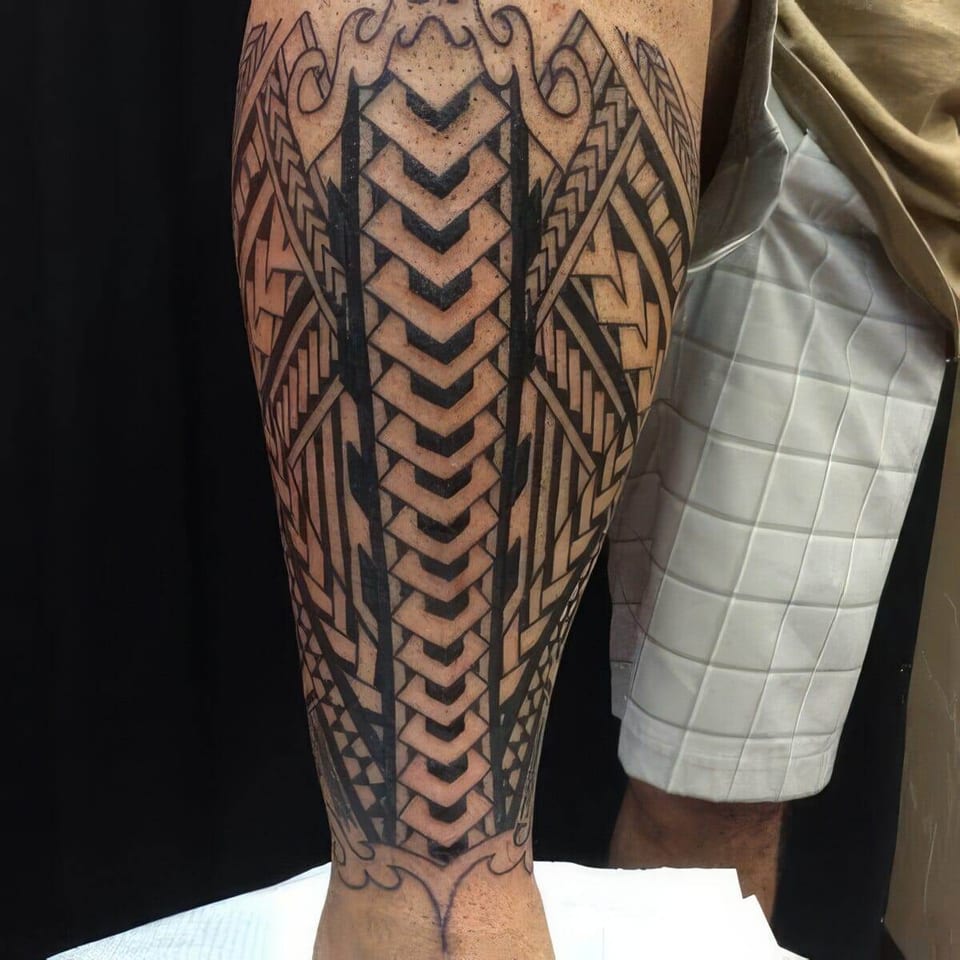
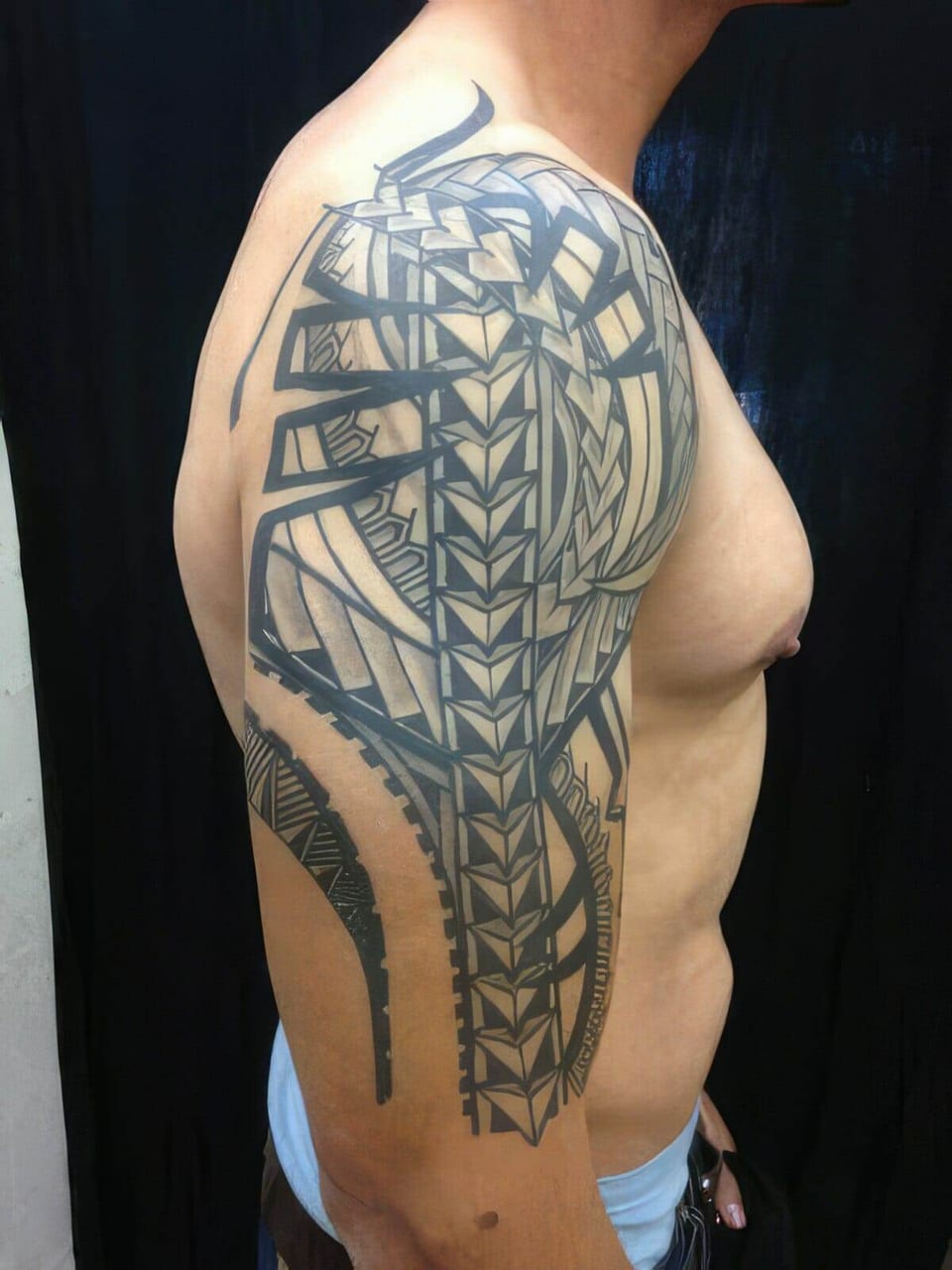
Polynesian tattoo designs are not just random patterns, but they hold deep symbolism and meaning. Each design tells a story and represents different aspects of life. For example, a turtle shell design may symbolize longevity and protection, while a shark tooth design may represent strength and courage. The importance of storytelling in Polynesian tattooing cannot be overstated. These tattoos serve as a visual language that communicates one’s identity, history, and achievements. They are a way to honor one’s ancestors and preserve their legacy. Each tattoo design is unique to the individual, reflecting their personal journey and experiences.

The Importance of Preserving Authentic Polynesian Tattooing Techniques
With the modernization of society, there is a risk of losing traditional Polynesian tattooing practices. As technology advances and globalization spreads, there is a danger of cultural heritage being forgotten or diluted. It is crucial to preserve and protect these traditional tattooing techniques to ensure that future generations can continue to appreciate and understand the significance of Polynesian tattooing.


Preserving authentic Polynesian tattooing techniques is not just about preserving an art form, but it is also about preserving cultural identity. Tattoos in Polynesian societies are deeply rooted in tradition and serve as a way to connect with one’s ancestors. Losing these traditional practices would mean losing a part of cultural heritage and identity.

The Risks of Losing Traditional Polynesian Tattooing Practices
The impact of modernization on Polynesian tattooing is significant. With the rise of globalization and the influence of Western culture, there is a risk of traditional tattooing practices being replaced by modern techniques. This can lead to a loss of cultural identity and heritage. Traditional Polynesian tattooing is a labor-intensive process that requires great skill and expertise. However, with the rise of modern tattoo machines and techniques, there is a temptation to opt for faster and easier methods. This can result in the loss of traditional tattooing techniques and the unique artistry that comes with it.

The Impact of Modernization on Polynesian Tattooing

Modernization has had both positive and negative impacts on Polynesian tattooing. On one hand, it has allowed for greater exposure and appreciation of Polynesian tattooing in mainstream society. Many people from different cultures now seek out Polynesian tattoos as a way to connect with their own heritage or appreciate the art form. However, modernization has also brought challenges to the preservation of traditional tattooing practices. The rise of technology and globalization has made it easier for people to access tattoos, but it has also led to the dilution of cultural practices. There is a danger of tattoos becoming commodified and losing their cultural significance.

The Role of Technology in Polynesian Tattooing Preservation
While technology can pose a risk to the preservation of traditional tattooing techniques, it can also be used as a tool to protect and promote these practices. With the rise of social media and online platforms, it is now easier than ever to share and document traditional tattooing techniques. This allows for greater exposure and awareness, ensuring that these practices are not forgotten.


Technology can also be used in the actual tattooing process. Modern tattoo machines can be modified to mimic the tapping motion of traditional tools, allowing for greater precision and control. However, it is important to strike a balance between using technology to enhance traditional practices and preserving the authenticity of the art form.

The Cultural Relevance of Polynesian Tattooing in Contemporary Society
Despite the challenges posed by modernization, Polynesian tattooing remains culturally relevant today. Many people from different cultures seek out Polynesian tattoos as a way to connect with their own heritage or appreciate the art form. Polynesian tattoo designs have also made their way into contemporary art and fashion, further highlighting their cultural significance.


Polynesian tattoos are not just a trend or a fashion statement, but they hold deep meaning and symbolism. They are a way for individuals to express their cultural identity and connect with their roots. In a world that is becoming increasingly globalized, Polynesian tattooing serves as a reminder of the importance of cultural heritage and diversity.

The Connection Between Polynesian Tattooing and Identity
Polynesian tattooing is deeply connected to personal identity. These tattoos serve as a visual representation of one’s history, beliefs, and achievements. They are a way to honor one’s ancestors and preserve their legacy. Polynesian tattoos are not just decorative, but they hold deep meaning and significance. Tattoos in Polynesian societies are also a way to express cultural identity. They serve as a visual language that communicates one’s connection to their heritage and community. Polynesian tattooing is a way to celebrate and embrace one’s cultural roots, and it is an important part of personal identity.


The Future of Polynesian Tattooing: Challenges and Opportunities
The future of Polynesian tattooing faces both challenges and opportunities. The rise of modernization and globalization poses a risk to the preservation of traditional tattooing practices. However, there is also an opportunity for innovation and growth in the industry. It is crucial for tattoo artists and communities to come together to protect and promote traditional Polynesian tattooing techniques. This can be done through education, training, and the use of technology to document and share these practices. By doing so, we can ensure that future generations can continue to appreciate and understand the significance of Polynesian tattooing. Polynesian tattooing is an ancient art form that holds deep cultural significance in Polynesian societies. These tattoos serve as a visual language that tells the story of one’s identity and social status.


The history of Polynesian tattooing dates back thousands of years, and the techniques and tools used have been passed down through generations. It is crucial to preserve and protect this cultural heritage to ensure that future generations can continue to appreciate and understand the significance of Polynesian tattooing. With the modernization of society, there is a risk of losing traditional tattooing practices. Tattoo artists play a crucial role in preserving these techniques, and it is important for them to seek out opportunities for education and training. Polynesian tattooing remains culturally relevant today, serving as a way for individuals to express their cultural identity and connect with their roots. It is an art form that celebrates diversity and reminds us of the importance of cultural heritage. By preserving traditional Polynesian tattooing techniques, we can ensure that this cultural heritage continues to thrive and inspire future generations.


