



Traditional tattoo artistry has a rich history that dates back centuries. These tattoos have played a significant role in various cultures around the world, serving as symbols of identity, status, and spirituality. In modern culture, traditional tattoos continue to hold importance, as they are seen as a way to express individuality and pay homage to the past.
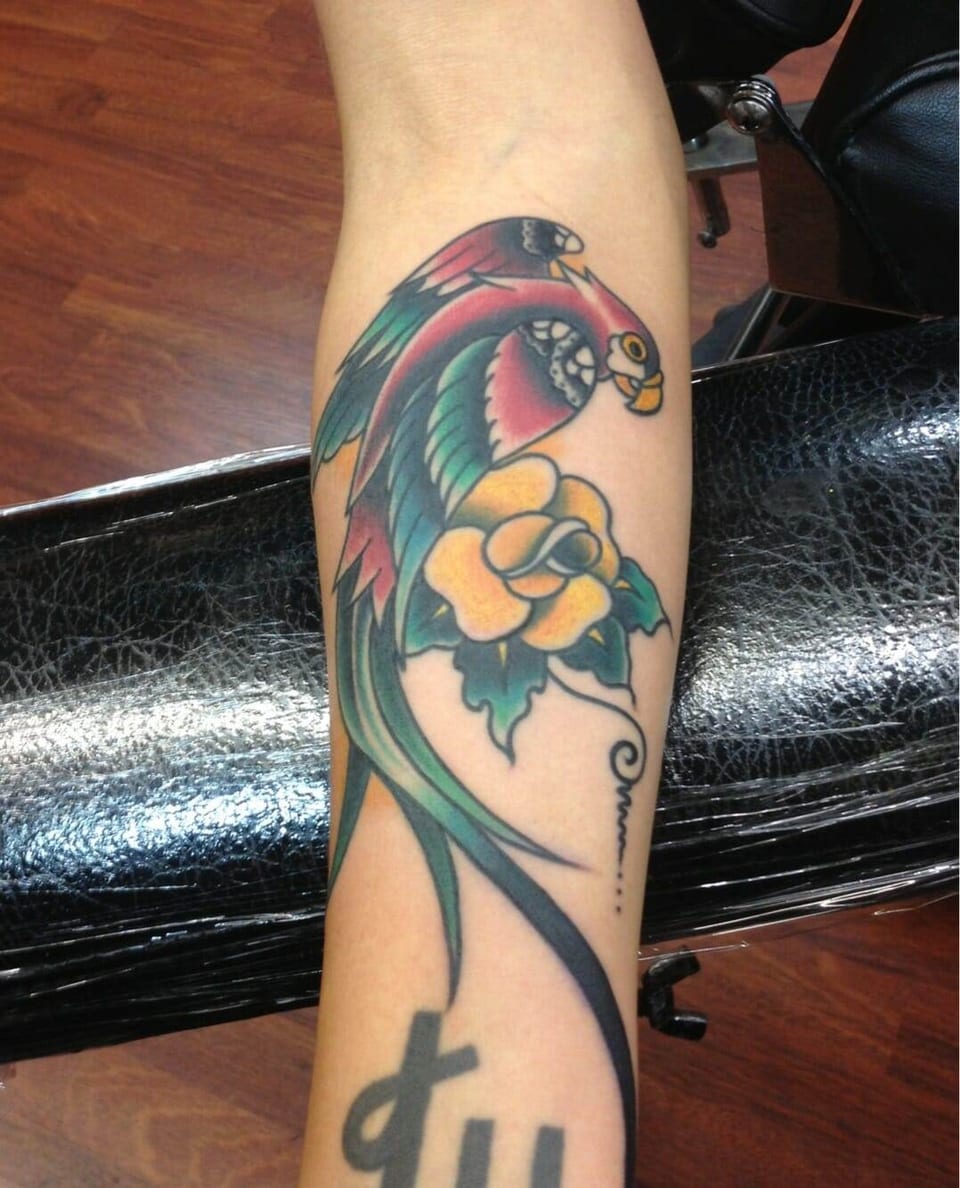
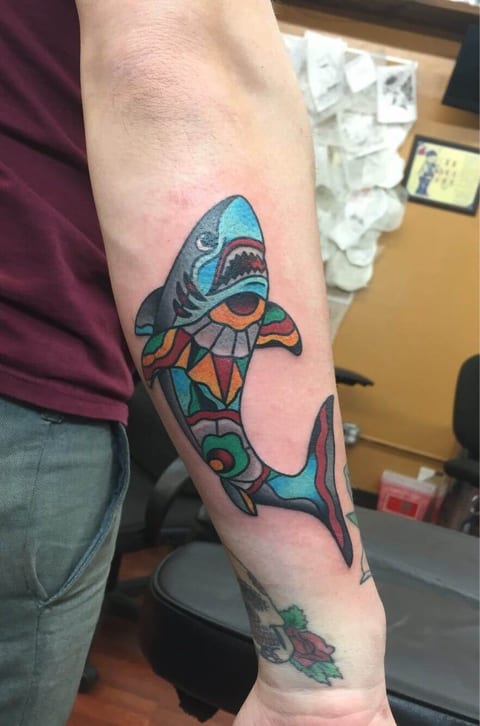

The Rich History of Traditional Tattoo Artistry
Traditional tattoos have their origins in ancient civilizations, with evidence of tattooing dating back thousands of years. These tattoos were often used to mark important life events, such as coming of age or marriage, and were deeply ingrained in the cultural practices of various societies. The cultural significance of traditional tattoos varies across different regions and communities.


In some cultures, tattoos were seen as a rite of passage or a symbol of bravery and strength. In others, they were used to denote social status or membership in a particular group. Traditional tattoo designs often incorporate symbols and motifs that hold specific meanings within their respective cultures.

The Art of Hand-Poking: A Time-Honored Technique
Hand-poking is a traditional tattooing technique that involves using a needle and ink to manually create the design on the skin. This method has been used for centuries and is still practiced by many traditional tattoo artists today. There are several benefits to hand-poking over machine tattooing. Hand-poked tattoos tend to heal faster and have a more natural appearance.


The process is also less painful for the client, as the needle is inserted into the skin at a slower pace compared to machine tattooing. Many traditional tattoo artists specialize in hand-poking and have honed their skills over years of practice. These artists often have a deep understanding of traditional tattoo designs and their cultural significance, allowing them to create authentic and meaningful tattoos for their clients.

The Symbolism Behind Traditional Tattoo Designs
Traditional tattoo designs are filled with symbolism and meaning. Each design has its own significance, often rooted in the culture from which it originated. For example, a traditional Japanese tattoo design may feature a koi fish, which symbolizes perseverance and determination. Understanding the symbolism behind traditional tattoos is important, as it allows individuals to choose designs that resonate with them on a personal level. These tattoos can serve as reminders of important values or beliefs, and can also be used to honor loved ones or commemorate significant life events.

The Evolution of Traditional Tattoos in Modern Culture
Traditional tattoos have experienced a resurgence in popularity in recent years, with many people embracing the timeless appeal of these designs. In modern culture, traditional tattoos are often seen as a way to express individuality and pay homage to the past. While traditional tattoo designs have remained largely unchanged, they have been incorporated into modern tattooing techniques. Many tattoo artists today combine traditional elements with contemporary styles, creating unique and innovative designs that appeal to a wide range of clients.

The Intricate Details of Traditional Tattoo Artistry
Traditional tattoo artistry is known for its attention to detail and precision. Artists who specialize in this style spend years perfecting their craft, ensuring that each line and shading is executed with precision. The intricate details found in traditional tattoos not only enhance the visual appeal of the design but also contribute to its overall meaning. These details can include fine lines, intricate patterns, and subtle shading techniques that bring the design to life.

The Different Styles of Traditional Tattoos
Traditional tattoos encompass a wide range of styles, each with its own unique characteristics. Some popular traditional tattoo styles include American traditional, Japanese traditional, and Polynesian traditional. Regional variations in traditional tattooing also exist, with different cultures putting their own spin on traditional designs.

For example, Maori tattoos from New Zealand often feature intricate patterns and symbols that hold deep cultural significance. When choosing a traditional tattoo style, it is important to consider personal preferences and cultural connections. Each style has its own distinct aesthetic and symbolism, allowing individuals to choose a design that resonates with them on a deeper level.

The Significance of Traditional Tattoos in Indigenous Cultures
Traditional tattoos hold immense significance in indigenous cultures around the world. These tattoos are often deeply rooted in spiritual beliefs and cultural practices, serving as a way to connect with ancestors and honor traditions. In indigenous communities, traditional tattoos are seen as a form of identity and a way to preserve cultural heritage.


They are often passed down through generations, with each design carrying its own unique meaning and symbolism. It is important to respect and preserve traditional tattooing practices in indigenous cultures, as they are an integral part of their identity and history. By understanding the significance of these tattoos, we can appreciate the beauty and cultural richness they represent.

The Role of Traditional Tattoos in Personal Expression
Traditional tattoos have long been used as a form of personal expression. These tattoos allow individuals to showcase their identity, beliefs, and values through visual art. For many people, traditional tattoos serve as a way to connect with their heritage or pay homage to their cultural roots.

These tattoos can also be used to express personal experiences or commemorate important milestones in one’s life. Traditional tattoo artists who specialize in custom designs work closely with their clients to create tattoos that are unique and meaningful. These artists often incorporate personal elements into the design, ensuring that the tattoo accurately reflects the individual’s story and identity.

The Benefits of Maintaining Traditional Tattoo Techniques
Preserving traditional tattooing techniques is crucial to ensure the continued authenticity and cultural significance of traditional tattoos. Hand-poking, in particular, is a time-honored technique that should be valued and maintained. Hand-poked tattoos have several benefits over machine tattooing. They tend to heal faster and have a more natural appearance, as the slower pace of the needle allows for better control and precision.


Hand-poking also offers a more intimate and personal experience for both the artist and the client. Many traditional tattoo artists prioritize maintaining traditional techniques, as they believe in the importance of preserving the art form. These artists continue to practice hand-poking and other traditional methods, ensuring that the craft is passed down to future generations.
The Timeless Appeal of Traditional Tattoos in the Modern World
Traditional tattoos have stood the test of time and continue to be popular in modern culture. Their timeless appeal lies in their rich history, cultural significance, and visually striking designs. In a world where trends come and go, traditional tattoos offer a sense of permanence and tradition. They serve as a reminder of our connection to the past and our place within a larger cultural context. Traditional tattoo artists who continue to inspire and innovate play a crucial role in keeping this art form alive.


These artists push boundaries while staying true to the essence of traditional tattooing, creating designs that resonate with people from all walks of life. Traditional tattoo artistry holds immense importance in modern culture. These tattoos serve as symbols of identity, culture, and personal expression. By appreciating and supporting traditional tattoo artists, we can ensure that this art form continues to thrive and evolve for generations to come. Traditional tattoos are not just ink on skin; they are a testament to the enduring significance of art and culture.


