



Black and grey ink has long been a beloved medium in the world of art. Its simplicity and elegance have captivated artists and viewers alike for centuries. Whether used in drawings, paintings, or tattoos, black and grey ink has a timeless appeal that transcends trends and fads. In this article, we will explore the history, techniques, and significance of black and grey ink in art, as well as its psychological impact and advantages over color. Join us as we delve into the world of black and grey ink and discover its enduring beauty.

The History of Black and Grey Ink in Art
The use of black and grey ink in art can be traced back to ancient times. In ancient China, ink made from soot was used to create intricate calligraphy and brush paintings. This tradition spread to other parts of Asia, such as Japan and Korea, where black ink was used to create delicate sumi-e paintings. In the Western world, black ink became popular during the Renaissance period, with artists like Leonardo da Vinci and Albrecht Dürer using it to create detailed drawings and etchings.


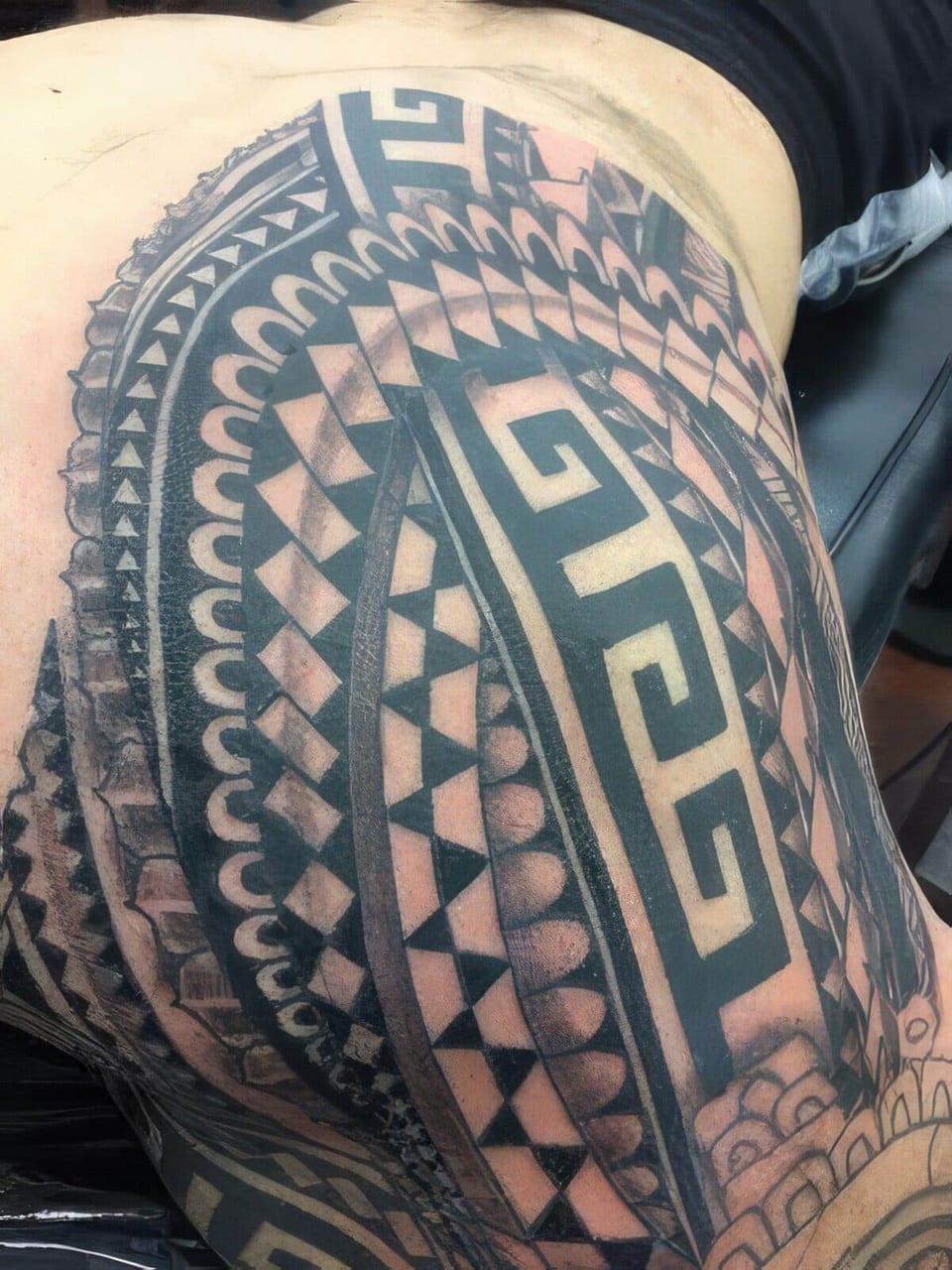
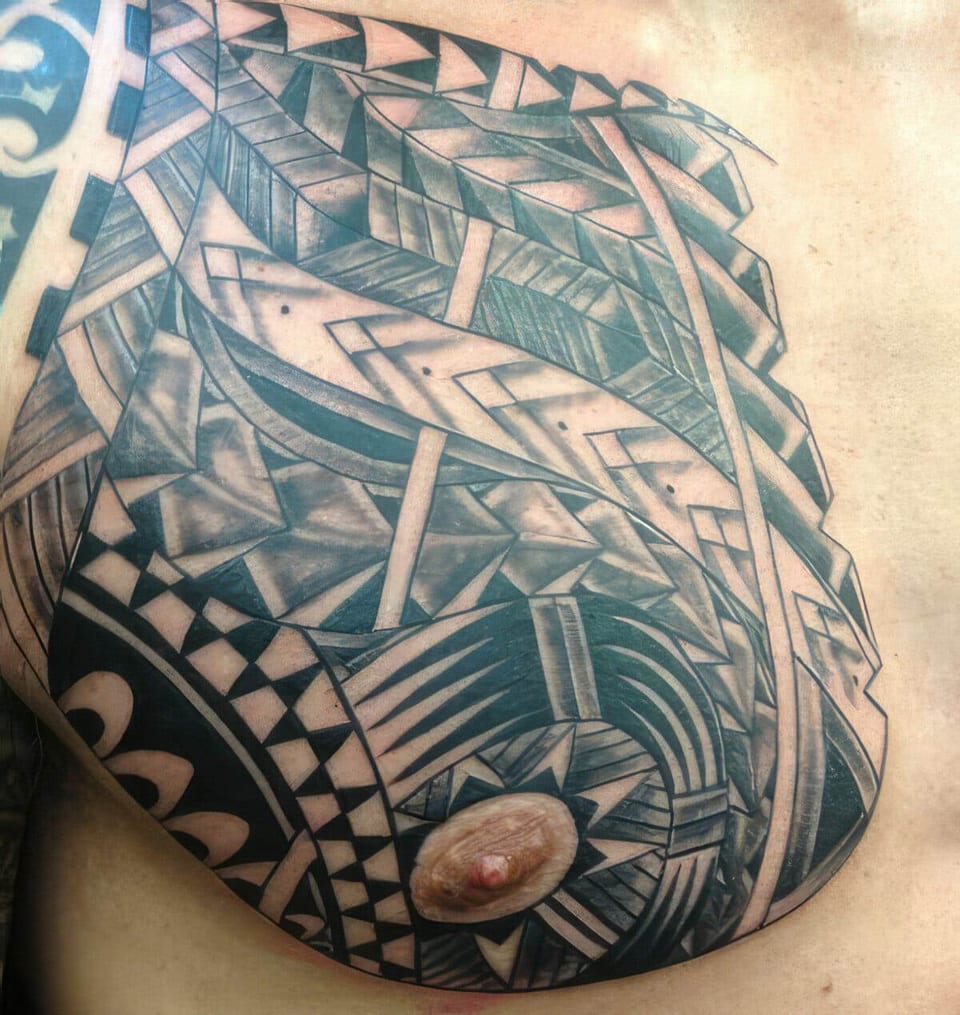
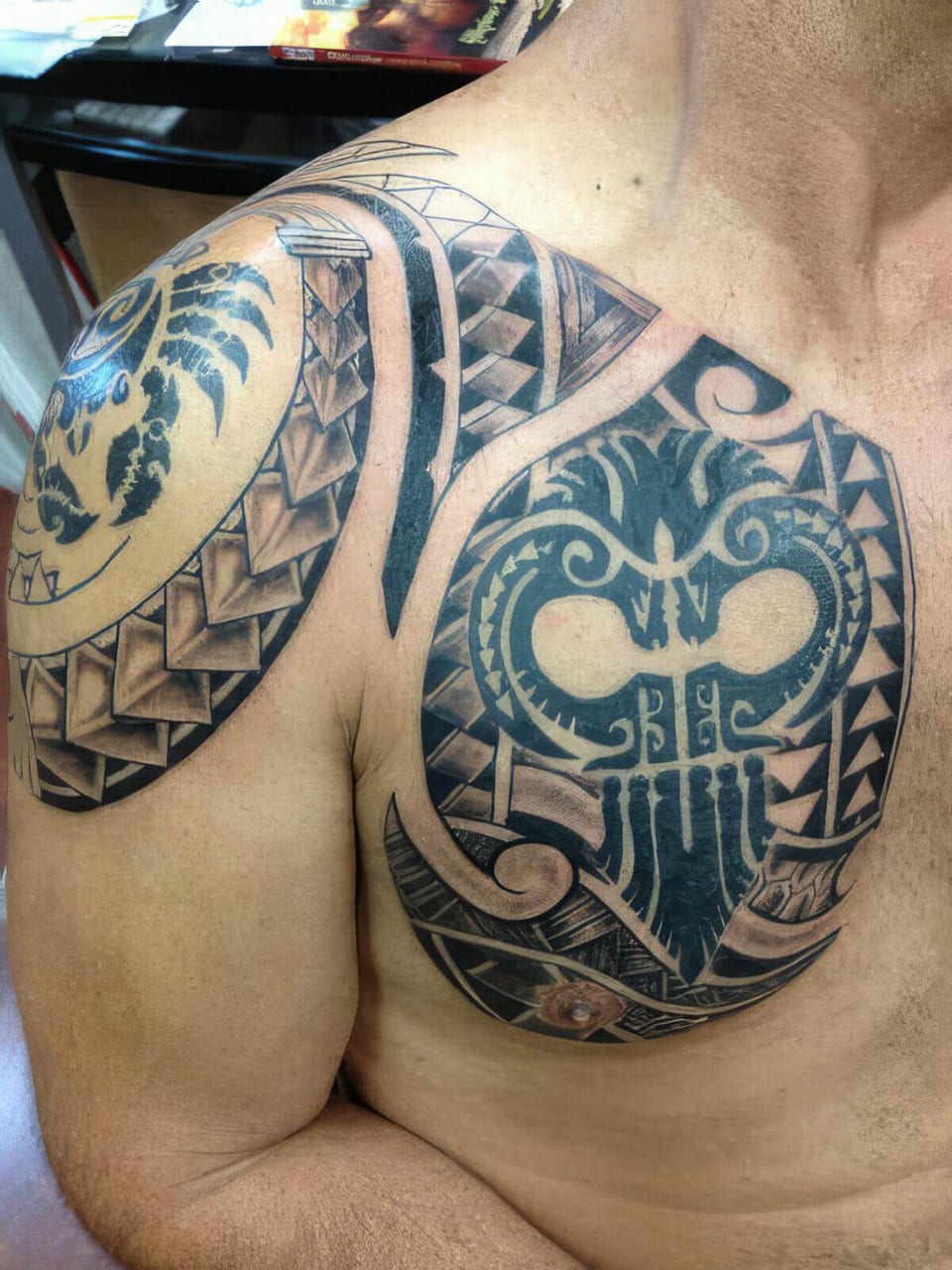
Throughout history, there have been many famous artworks created using black and grey ink. One notable example is Leonardo da Vinci’s “Vitruvian Man,” a drawing that showcases his mastery of shading and proportion. Another iconic artwork is Rembrandt’s etching “The Three Crosses,” which demonstrates his skill in capturing light and shadow with black ink. In more recent times, tattoo artists like Jack Rudy and Filip Leu have elevated black and grey ink to new heights with their intricate designs and realistic shading.

The Significance of Shades in Black and Grey Ink
Shades play a crucial role in creating depth and dimension in black and grey ink art. By using different shades of black, artists can give their artwork a three-dimensional quality, making it appear more realistic and lifelike. Lighter shades can be used to highlight areas that are hit by direct light, while darker shades can be used to create shadows and add depth.


Furthermore, different shades of black can evoke different emotions and moods in viewers. Lighter shades can create a sense of serenity and tranquility, while darker shades can evoke a feeling of mystery or melancholy. By carefully selecting and manipulating shades, artists can create a specific atmosphere or convey a particular emotion in their artwork.

The Different Techniques of Black and Grey Ink
There are various techniques that artists use to create black and grey ink art. One popular technique is stippling, which involves creating patterns of small dots to build up shading and texture. This technique can be time-consuming but allows for precise control over the density of shading. Another technique is cross-hatching, where lines are drawn in different directions to create shading and texture. This technique can be used to create a range of effects, from smooth gradients to bold contrasts. Artists can also combine stippling and cross-hatching to achieve a unique look in their black and grey ink art.

The Importance of Contrast in Black and Grey Ink
Contrast is key in creating impactful black and grey ink art. By juxtaposing light and dark areas, artists can create a sense of drama and visual interest in their artwork. Contrast can be achieved through various techniques, such as using different shades of black, varying the thickness of lines, or incorporating negative space. When used effectively, contrast can draw the viewer’s attention to specific areas of the artwork and create a focal point. It can also help to define the form and shape of objects, adding depth and dimension to the artwork.

The Role of Texture in Black and Grey Ink
Texture is an important element in black and grey ink art as it adds depth and interest to the artwork. Artists can create texture by using different techniques, such as stippling, cross-hatching, or even scratching the surface of the paper or canvas. Texture can give the artwork a tactile quality, making it visually and physically engaging for the viewer. It can also help to create a sense of realism, as different textures can be used to represent different materials or surfaces.

The Use of Light and Shadow in Black and Grey Ink

Light and shadow are crucial in creating realistic and impactful black and grey ink art. By carefully observing how light interacts with objects, artists can create the illusion of depth and volume in their artwork. There are various techniques for creating light and shadow in black and grey ink art. One technique is hatching, where parallel lines are drawn to represent areas of light or shadow. Another technique is called “chiaroscuro,” which involves using strong contrasts between light and dark to create a dramatic effect.

The Psychological Impact of Black and Grey Ink
Black and grey ink art has a unique ability to evoke different emotions and moods in viewers. The simplicity and monochromatic nature of this medium can create a sense of calmness and introspection. It can also evoke a feeling of nostalgia or timelessness, as black and grey ink has been used in art for centuries. Furthermore, the use of shades, contrast, texture, and light and shadow in black and grey ink art can enhance its psychological impact. By carefully manipulating these elements, artists can create artwork that resonates with viewers on an emotional level.

The Advantages of Black and Grey Ink over Color
While color has its own appeal in art, black and grey ink offers several advantages over color. One advantage is its timeless and classic look. Black and grey ink art has a simplicity that transcends trends and fads, making it more likely to stand the test of time. Another advantage is its ability to create a sense of focus and clarity.

Without the distraction of color, black and grey ink art can draw the viewer’s attention to the composition, form, and texture of the artwork. Additionally, black and grey ink art can be more versatile in terms of its subject matter. It can be used to create realistic portraits, detailed landscapes, or abstract designs, allowing artists to explore a wide range of themes and styles.

The Future of Black and Grey Ink in Art
Despite the rise of digital art and the availability of vibrant colors, black and grey ink remains a popular medium in contemporary art. Many artists continue to explore and push the boundaries of this medium, experimenting with new techniques and styles. One emerging trend in black and grey ink art is the fusion of traditional and modern elements. Artists are combining traditional techniques with contemporary subject matter or incorporating digital elements into their artwork. This fusion of old and new creates a fresh and dynamic look that appeals to a wide range of viewers.


The Timeless Appeal of Black and Grey Ink
In conclusion, black and grey ink has a timeless appeal that continues to captivate artists and viewers alike. Its simplicity, elegance, and versatility make it a beloved medium in the world of art. Whether used in drawings, paintings, or tattoos, black and grey ink has the power to evoke emotions, create depth and dimension, and leave a lasting impression on those who experience it. So next time you come across a black and grey ink artwork, take a moment to appreciate its beauty and the skill that went into creating it.


