



Polynesian tattooing holds a deep significance in ancestral culture. It is not merely a form of body art, but a reflection of the rich history, beliefs, and values of the Polynesian people. These tattoos are more than just decorative; they serve as a visual language that tells the story of their ancestors and their connection to the natural world. Polynesian tattooing is an ancient practice that has been passed down through generations, and it continues to hold immense cultural importance today.

The Origins of Polynesian Tattooing: Tracing Back the Ancestral Roots
The origins of Polynesian tattooing can be traced back thousands of years. While there is no definitive answer to where it originated, there are several theories and beliefs surrounding its beginnings. One theory suggests that Polynesian tattooing originated in Taiwan and spread throughout the Pacific as a result of ancient migration patterns. Another theory suggests that it originated in Samoa and was later adopted by other Polynesian cultures.

The Symbolism Behind Polynesian Tattoos: A Reflection of Ancestral Beliefs
Polynesian tattoos are filled with symbolism and meaning, each design representing a specific aspect of ancestral beliefs and values. For example, the turtle shell symbolizes fertility and longevity, while the shark teeth represent protection and strength. The sun symbolizes life and prosperity, while the ocean waves represent the ebb and flow of life’s challenges. These symbols serve as a visual language that connects the wearer to their ancestors and their cultural heritage.

The Different Styles of Polynesian Tattooing: Ancestral Influence on Design
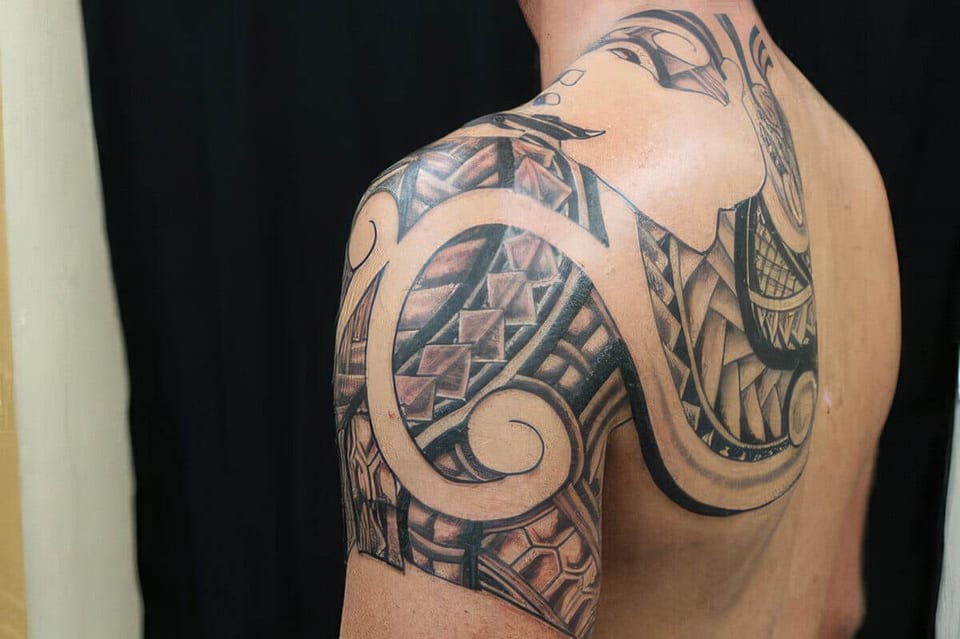
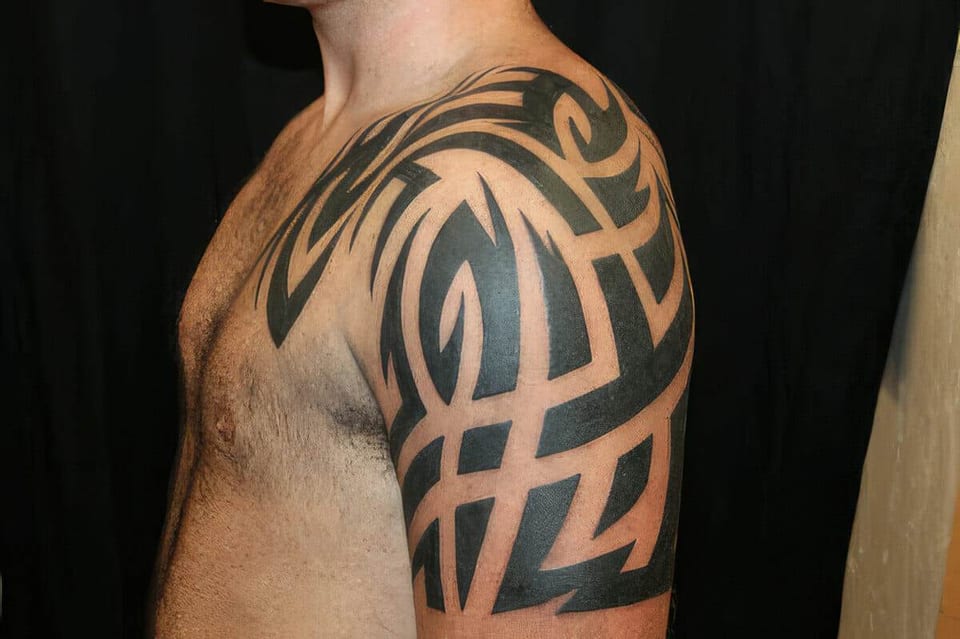
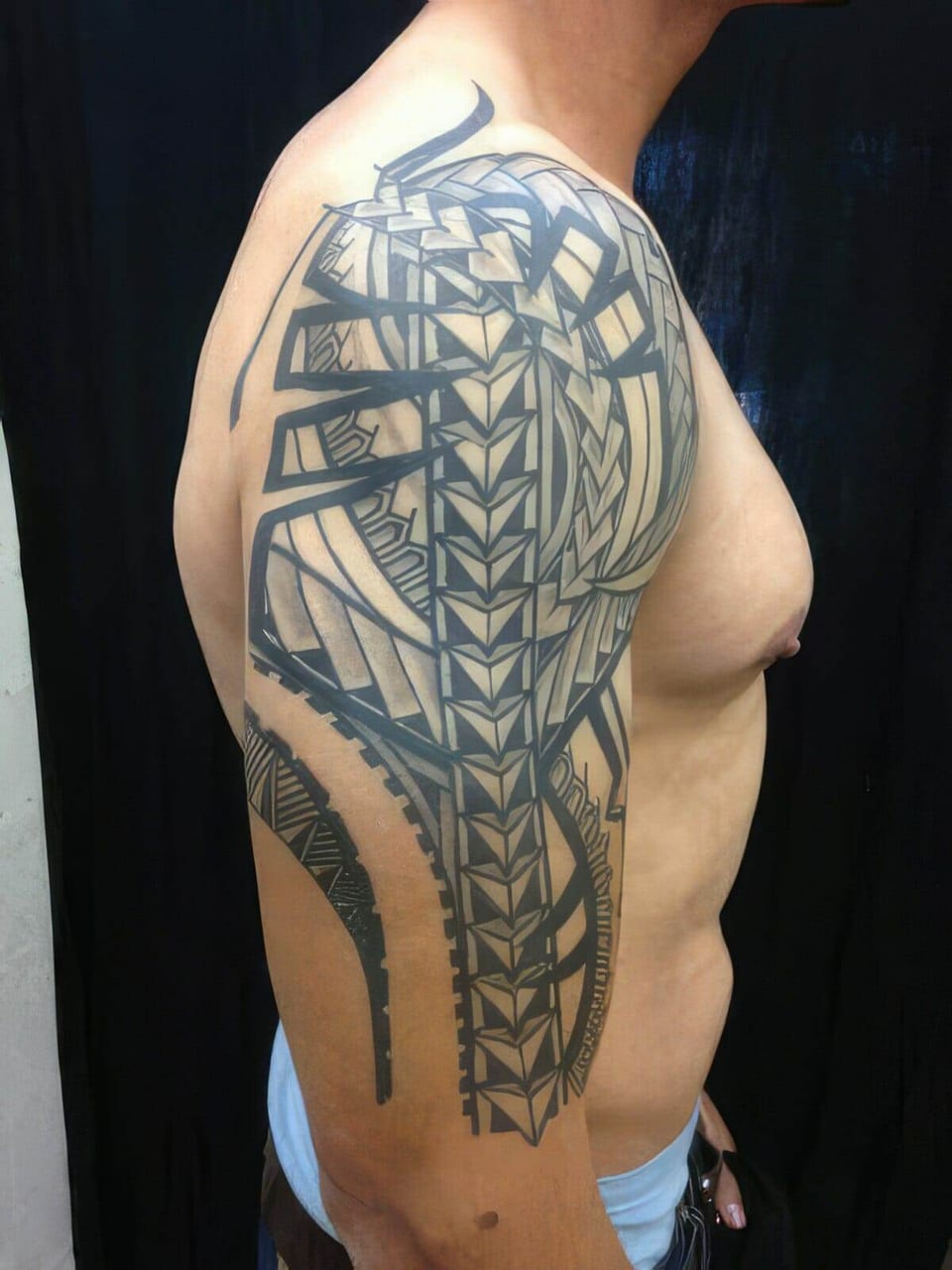
There are several different styles of Polynesian tattooing, each with its own unique design elements and characteristics. The most well-known styles include Samoan, Maori, Tahitian, and Hawaiian. These styles are influenced by the ancestral cultures of each region and reflect their distinct artistic traditions. For example, Samoan tattoos are characterized by bold, intricate patterns, while Maori tattoos often feature spirals and curved lines. Tahitian tattoos are known for their use of black ink and geometric designs, while Hawaiian tattoos often incorporate natural elements such as flowers and animals.

The Role of Polynesian Tattooing in Ancestral Society: A Mark of Status and Identity
In ancestral society, Polynesian tattooing played a significant role in marking one’s status and identity. Tattoos were not only a form of self-expression but also a way to distinguish oneself within the community. The size, placement, and design of the tattoos often indicated a person’s social status, occupation, or achievements. For example, high-ranking chiefs would often have extensive tattoos that covered their entire bodies, while warriors would have tattoos that symbolized their bravery and strength.


The Spread of Polynesian Tattooing: Ancestral Migration and Cultural Exchange
Polynesian tattooing spread throughout the Pacific as a result of ancestral migration and cultural exchange. As Polynesians traveled to different islands and regions, they brought their tattooing traditions with them, influencing the local cultures and leaving their mark on the art form. This spread of tattooing not only served as a way to connect different Polynesian communities but also facilitated cultural exchange and the sharing of ancestral knowledge.

The Decline of Polynesian Tattooing: Ancestral Suppression and Revival
Unfortunately, Polynesian tattooing experienced a decline during the colonial era when Western influences began to suppress ancestral practices. Missionaries viewed tattooing as a pagan practice and actively discouraged its continuation. As a result, many Polynesians stopped getting tattoos, and the art form began to fade away. However, in recent years, there has been a revival of Polynesian tattooing as a way to reclaim ancestral traditions and preserve cultural heritage.

The Revival of Polynesian Tattooing: Ancestral Pride and Cultural Renaissance
The revival of Polynesian tattooing can be attributed to a resurgence of ancestral pride and a cultural renaissance. Polynesians have recognized the importance of preserving their cultural heritage and have embraced tattooing as a way to reconnect with their ancestors. This revival has not only brought back the art form but has also sparked a renewed interest in ancestral practices, language, and traditions.

The Contemporary Polynesian Tattooing Scene: Ancestral Tradition Meets Modern Artistry
In the contemporary Polynesian tattooing scene, ancestral tradition meets modern artistry. While the traditional designs and symbols are still prevalent, tattoo artists have also incorporated their own unique styles and techniques. This fusion of ancestral tradition and modern artistry has resulted in a diverse range of Polynesian tattoos that cater to individual preferences while still honoring the cultural significance of the art form.

The Future of Polynesian Tattooing: Ancestral Legacy and Cultural Continuity
The future of Polynesian tattooing lies in preserving ancestral legacy and ensuring cultural continuity. It is essential for future generations to understand the significance of these tattoos and continue to pass down the knowledge and techniques associated with them. By doing so, they can ensure that Polynesian tattooing remains an integral part of their cultural identity for years to come.


The Importance of Preserving Ancestral Polynesian Tattooing Practices
In conclusion, Polynesian tattooing holds immense significance in ancestral culture. It is not just a form of body art but a visual language that tells the story of the Polynesian people and their connection to their ancestors. The symbolism, styles, and role of these tattoos reflect ancestral beliefs, values, and social structures. It is crucial to preserve and revive Polynesian tattooing practices to ensure that future generations can continue to connect with their cultural heritage and maintain a sense of ancestral pride.


